
Quick answer: Water bottle shipping terms define where the seller delivers the goods, when risk transfers and which party arranges transport, export, insurance and import clearance. EXW, FOB, CIF and DDP are not four versions of the same freight quote. Buyers must state the Incoterms 2020 rule, exact named place or port, cargo details and excluded charges before comparing landed cost.
This guide is for importers, distributors, wholesalers, private-label brands and corporate buyers purchasing drinkware internationally. It provides a commercial planning framework, not legal, tax or customs advice. Use a qualified freight forwarder and customs broker for the destination.
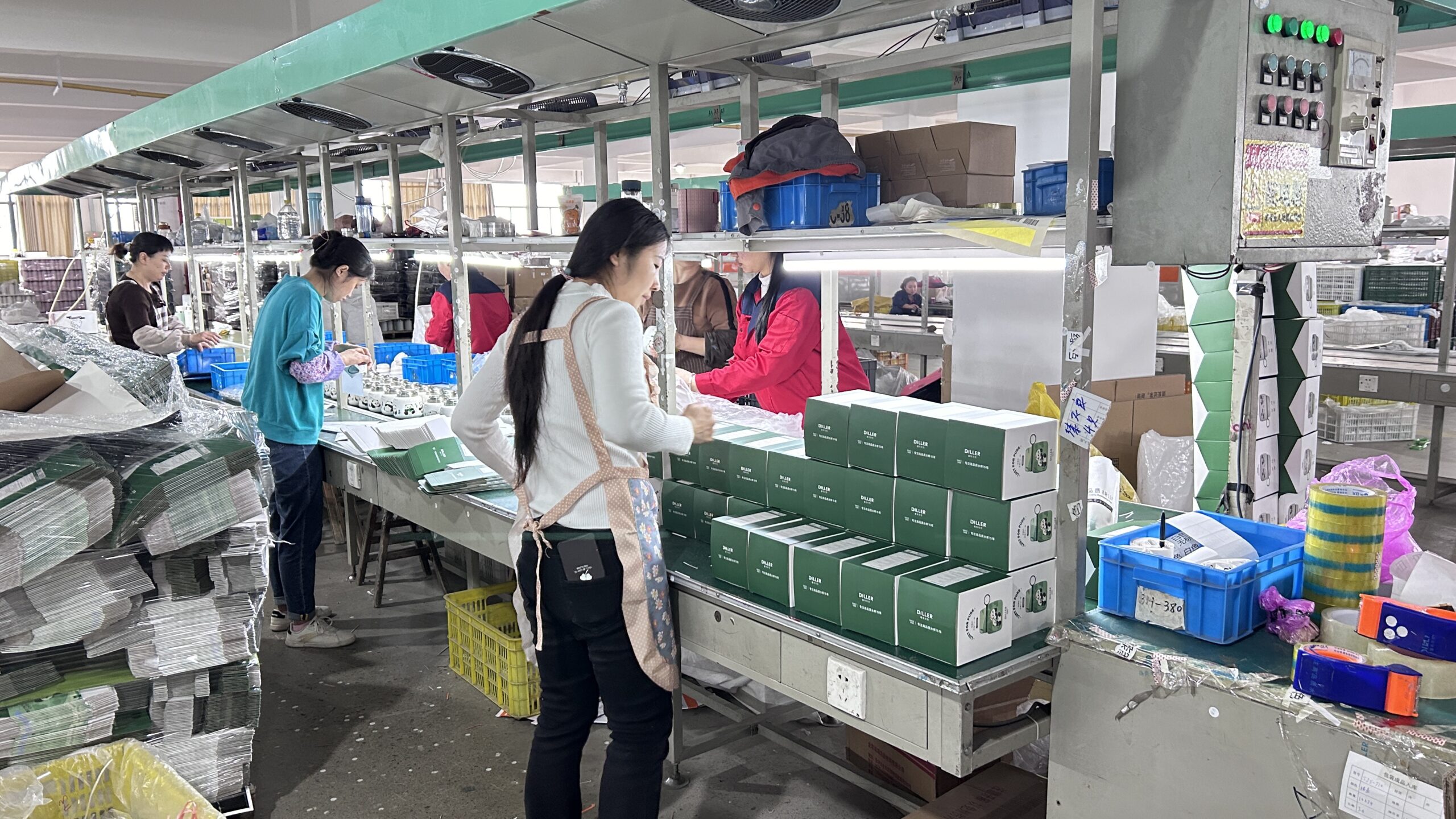
Water bottle shipping terms key takeaways
- Always write the Incoterms rule, version and exact named place or port.
- Separate product price, origin charges, main transport, insurance, destination charges, duty and tax.
- FOB and CIF apply to sea or inland-waterway transport; other rules may fit containerised multimodal cargo better.
- DDP requires the seller to understand destination import and tax responsibilities.
- Incoterms allocate tasks, cost and risk, but do not replace payment, title, quality or delivery clauses.
What do water bottle shipping terms control?
Water bottle shipping terms based on Incoterms rules allocate delivery obligations, transport tasks, costs and risk between seller and buyer at defined points. They do not automatically determine ownership, payment timing, product acceptance, governing law or every customs issue.
The wording must be complete. “FOB China” is not precise because China contains many ports. A contract should use a form such as “[rule] [named place or port] Incoterms 2020”, followed by any agreed operational detail that does not contradict the selected rule.
EXW, FOB, CIF and DDP compared
| Rule | Seller’s broad role | Buyer’s broad role | Planning caution |
|---|---|---|---|
| EXW | Makes goods available at the named place | Organises most movement and formalities | Export clearance and loading can be impractical for a foreign buyer |
| FOB | Delivers goods on board at the named port | Arranges main sea freight and destination process | Intended for sea or inland-waterway transport |
| CIF | Arranges cost, insurance and freight to named destination port | Handles destination process and costs after the applicable point | Risk and cost do not transfer at the same point; insurance level must be understood |
| DDP | Delivers to named destination with broad import obligations | Receives at the agreed place, subject to contract | Seller must be able to meet destination import and tax responsibilities |
This table is a high-level purchasing summary. The International Chamber of Commerce publishes the authoritative rules and decision tools. Buyers should review the full rule with qualified trade advisers before contracting.
Accordingly, water bottle shipping terms should be selected after the buyer maps the physical handover, transport mode and destination responsibilities.
EXW: maximum buyer control, more origin responsibility
Under EXW, goods are made available at the named place, such as the seller’s premises. Buyers sometimes request EXW because the product quotation appears easy to compare. However, they then need a capable forwarder to manage pickup, loading arrangements, export formalities and origin charges.
The ICC checklist notes that EXW is primarily suited to domestic trade. For an international bottle order, discuss whether another rule provides a clearer export arrangement. Do not assume that a foreign buyer can act as exporter of record in every origin procedure.
FOB: familiar for seaborne trade, but name the port
FOB is commonly requested for ocean shipments. The seller delivers the cargo on board at the named port, while the buyer arranges main carriage. Nevertheless, containerised cargo is usually handed to a terminal before it is placed on a ship, so the ICC recommends selecting rules according to the actual handover and transport mode.
If FOB is used, identify the port, booking instructions, cut-off dates, container or consolidation plan, documents and responsibility for late changes. A quotation without these details cannot show the real origin cost.
CIF: seller arranges freight and insurance to the port
CIF can simplify the main-carriage quotation because the seller arranges cost, insurance and freight to the named destination port. However, risk transfers earlier than many new importers expect. In addition, destination terminal, clearance, duty, tax and inland-delivery charges may remain outside the quote.
Ask which carrier, route, transit plan and insurance cover apply. Then obtain a destination-charge estimate from the buyer’s broker so that the CIF price is not mistaken for a warehouse-delivered cost.
DDP: broad seller responsibility, destination limits
DDP places extensive responsibility on the seller, including import-related obligations at the destination. It may appear convenient to a buyer who wants one delivered figure. Yet the seller must be legally and operationally able to act as required in the destination country.
Before accepting DDP, verify importer-of-record arrangements, product classification, duty, tax, local registration and which charges are included. A vague “door-to-door” quote is not necessarily a valid DDP offer.
Compare landed cost using one scope
Create a cost sheet that normalises every quotation to the same destination point. Include the exact product, quantity, carton count, dimensions and weight because freight cost depends on the cargo profile as well as the route.
Record the water bottle shipping terms beside every cost line so that excluded charges remain visible during comparison.
| Cost layer | Items to confirm | Evidence |
|---|---|---|
| Product | Bottle, logo, packaging, spare parts and inspection | Itemised supplier quotation |
| Origin | Pickup, handling, clearance, documents and terminal | Forwarder origin charges |
| Main carriage | Mode, route, carrier, fuel and security surcharges | Dated freight quotation |
| Insurance | Cover, value, exclusions and claims process | Policy or certificate terms |
| Destination | Terminal, broker, examination, storage and inland delivery | Destination agent estimate |
| Government charges | Duty, tax, fees and product-specific requirements | Customs broker calculation |
Freight rates and surcharges have validity periods. Record the quotation date, cargo-ready date and assumptions, then update the comparison before booking.

Confirm cargo data and trade documents
Documentation depends on origin, destination, product and shipment. Common commercial documents can include the commercial invoice, packing list, transport document and certificate of origin where applicable. Product reports, declarations or destination-specific certificates may also be required.
The selected water bottle shipping terms should match the parties named in the transport and customs workflow.
The U.S. International Trade Administration advises exporters to confirm the importing country’s current documentation requirements because errors and omissions can cause delays or seizure. For a Diller project, the buyer should coordinate with its importer and broker before packaging artwork and shipment documents are finalised.
- seller, buyer and consignee details;
- product description, SKU and quantity;
- tariff classification reviewed by the responsible party;
- unit value, total value and currency;
- carton count, net weight, gross weight and dimensions;
- country of origin and required declarations;
- Incoterm, named place and contract reference;
- required food-contact or product documentation.
Make the order shipment-ready
Shipping terms do not protect weak packaging. Define the unit pack, inner carton, master carton, dividers, pallet or non-pallet arrangement, moisture protection, labels and carton marks. Confirm that packaging dimensions in the freight quote match the final pack.
Inspect cartons before handover and record any damage. If mixed SKUs or colours share a shipment, the packing list and carton marks must allow the importer to identify them without opening every carton.

How Diller coordinates global shipment planning
Diller supports global shipment coordination by sea, air, rail, express and project-specific fulfilment routes. Its product coverage across 60 countries provides broad export experience, while each order still requires a current route, document and responsibility review.
Diller does not assume that one Incoterm is best for every importer. The recommended rule depends on the buyer’s freight capability, destination, cargo mode and need for control. Product quotation and freight quotation should remain itemised so the buyer can understand value and risk.
Water bottle shipping terms checklist
- ☐ Incoterms 2020 rule and exact named place written
- ☐ Transport mode fits the selected rule
- ☐ Risk-transfer and cost responsibilities understood
- ☐ Product, origin, freight, insurance and destination costs itemised
- ☐ Importer of record and customs broker confirmed
- ☐ Tariff classification and destination requirements reviewed
- ☐ Final carton dimensions and weights used in the quote
- ☐ Document owners and deadlines assigned
- ☐ Insurance cover and claims process understood
- ☐ Inspection completed before the freight cut-off
Frequently asked questions
Which water bottle shipping term is cheapest?
No rule is inherently cheapest because each quote includes a different scope. Compare the landed cost at the same destination point, using the same cargo details, route, timing, insurance and government-charge assumptions.
Does CIF include import duty and destination delivery?
Normally, CIF covers cost, insurance and freight to the named destination port under its rule, but many destination costs and import obligations remain with the buyer. Review the full Incoterms rule and the itemised quotation.
Is DDP always easiest for a new importer?
It can reduce buyer coordination only when the seller can legally and operationally fulfil destination import obligations. Verify the importer-of-record, tax, duty, local charges and included delivery point before relying on a DDP quote.
Do Incoterms decide when the buyer owns the goods?
No. Incoterms rules address delivery, tasks, costs and risk. Ownership or title, payment, quality acceptance, remedies and governing law need separate contract clauses.
Compare responsibility before comparing price
Water bottle shipping terms make sense only when the rule, version, named place and cargo scope are precise. Break the quote into product, origin, freight, insurance, destination and government costs; then verify documents and packaging before handover. This prevents an apparently low freight quote from becoming an expensive landed surprise.
Review Diller’s water bottle collection, use the wholesale packaging guide, check the custom project timeline, or request an itemised product and shipment quotation.