
Quick answer: OEM water bottle reorder planning should begin before stock reaches the purchase trigger. Combine weekly demand, safety stock, production and approval time, shipping time and known campaign demand. Reconfirm materials, components, artwork and packaging versions on every order; a reorder is not automatically identical to the previous batch.
This framework is for distributors and brands scaling custom insulated bottle sales.

OEM water bottle reorder planning: key takeaways
- Calculate reorder points by SKU, not total category sales.
- Include approval and transport time.
- Reserve long-lead materials or components where justified.
- Reconfirm artwork and specification revisions.
- Track sell-through, returns and forecast error.
Build the complete lead time
Add forecast review, quotation, deposit, material preparation, production, inspection, shipping booking, transport and destination clearance. If the reorder includes a new colour, logo or package, include a new approval step.
| Input | What to measure | Main risk |
|---|---|---|
| Demand | Average and peak weekly sales | Using an annual average |
| Safety stock | Service target and variability | Guessing one number for all SKUs |
| Supply time | Confirmed milestone plan | Counting only factory days |
| Campaigns | Promotions and new listings | Unexpected peak demand |
| Changes | Artwork, components and compliance | Late reapproval |
Use a simple reorder point
A basic planning formula is: expected demand during replenishment lead time + safety stock. Use actual units and update the inputs as sales and lead-time data improve. Slow premium items and high-volume core bottles should not use the same safety-stock rule.
Control versions before placing the order
Compare the new purchase order with the last approved product, artwork, barcode and carton specification. Ask whether any material, component or process has changed. If so, agree whether a sample or focused test is required.
Keep a golden sample and signed records, but verify that the physical reference has not degraded or become obsolete.
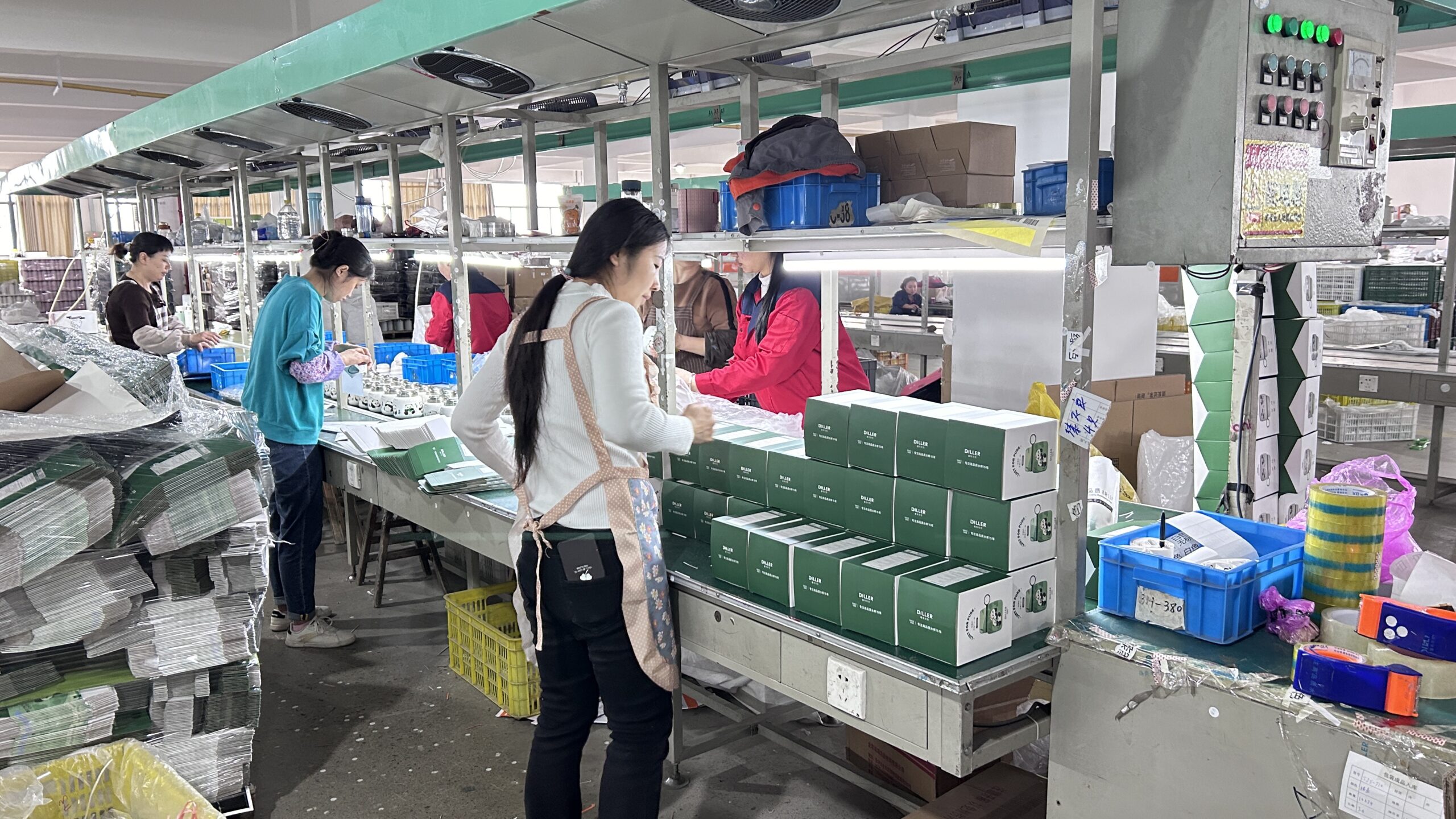
Collaborate with the supplier
Share a rolling forecast separately from firm purchase orders. The forecast helps Diller discuss capacity and materials, but it should not be mistaken for a binding quantity unless both parties agree. Highlight promotions, exhibitions and customer commitments.
Diller’s daily capacity above 10,000 pieces is an overall company fact, not guaranteed capacity for one model or date. Specific production slots depend on the SKU, components, finish and confirmed order.
Review inventory by exception
Create a weekly list of SKUs that require action: below the reorder point, above the stock-age limit, affected by a promotion, showing unusual returns or waiting for a component decision. This keeps the team focused on decisions rather than reviewing every number equally.
Use separate forecasts for base demand and confirmed campaigns. A new distributor listing, gift project or seasonal event can create temporary demand that should not automatically become the long-term baseline. After the event, compare forecast with actual sales and adjust future safety stock.
When cash or warehouse capacity is constrained, protect proven core insulated bottles first. Reduce weak colours or overlapping models before cutting availability of the products that establish the Diller range. Inventory discipline supports brand reliability as well as financial control.
Frequently asked questions
When should a buyer reorder?
Order when projected stock reaches expected demand during the complete replenishment lead time plus appropriate safety stock. Use SKU-level demand and current supplier timing.
Can a forecast reserve production capacity?
Only if the supplier confirms a reservation arrangement. A forecast alone usually supports planning but does not replace an order, deposit or material commitment.
Should a repeat order be inspected?
Yes. The scope may reflect performance history, but repeat production can still change. Use a defined inspection plan and review any specification revision.
Make the second order easier than the first
OEM water bottle reorder planning turns sales data and controlled product records into predictable replenishment. Start the conversation early, separate forecasts from orders and confirm every version before production.
Read Diller’s lead-time guide, compare shipping terms, or plan a reorder.