
إجابة سريعة: To protect water bottle artwork, keep ownership and permission records, use written confidentiality and manufacturing terms, limit file access, issue version-controlled production files and register relevant trademarks or designs where commercially justified. Technical controls and clear partner behaviour matter as much as legal documents.
This guide is for brands and distributors sharing logos, packaging, drawings or custom bottle concepts. It is not legal advice; obtain professional advice for the applicable countries.
Protect water bottle artwork: key takeaways
- Confirm that the buyer owns or can use every design supplied.
- Separate confidential concept files from production files.
- Use project and version codes on drawings and artwork.
- Define tooling, unused packaging and file disposition.
- Register important brand or design rights selectively.
Establish ownership and permission
Keep records showing who created the logo, illustration, packaging and industrial design, and what rights were transferred. Do not ask a supplier to reproduce a competitor product or artwork without permission. A reference image should explain a need, not automatically become a copy instruction.
Control the information shared
| Information | Share with | Control |
|---|---|---|
| Concept brief | Core development team | Confidential project code |
| Engineering drawing | Factory and approved component supplier | Revision and access list |
| Logo artwork | Approved decorator | Production-ready subset |
| Packaging file | Printer and packer | Locked production PDF |
| Sales images | Authorised distributors | Usage and update rules |
Watermarks can help with early review, but they are not a substitute for selecting reliable partners and controlling editable files.
Use written OEM terms
Address confidentiality, permitted manufacturing, subcontracting, tooling ownership, excess production, rejected goods, unused labels, data retention and post-project file return or destruction. Clarify whether any component is shared or exclusive.
If the project contains both Diller’s existing design and the buyer’s artwork, identify each party’s contribution. Avoid an agreement that treats every pre-existing supplier technology as buyer-owned or leaves custom buyer assets undefined.
Consider formal intellectual-property protection
Trademarks can protect brand identifiers, while industrial design rights may protect the visual appearance of a product in relevant jurisdictions. Patent protection may apply to eligible technical inventions. Registration strategy depends on novelty, markets, budget and launch timing.
Public disclosure can affect rights in some countries, so seek advice before exhibitions, crowdfunding or unrestricted sample distribution.
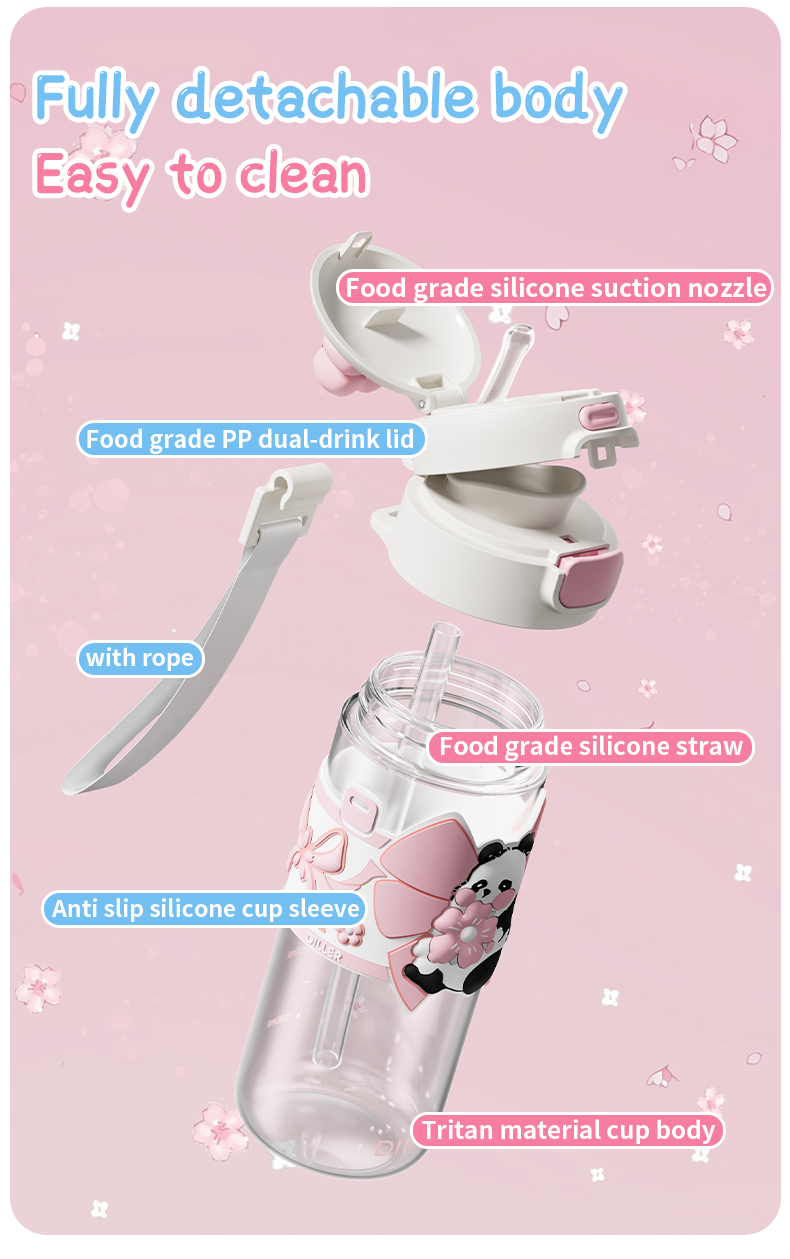
How Diller handles project information
Diller can coordinate brand, design, supply chain and factory execution in one project. Buyers should request project-specific confidentiality and ownership terms before sharing sensitive files. Confirm any claim of exclusivity, patent or design registration against the exact product and territory.
Design-control checklist before production
- Verify ownership or permission for every logo, photo and reference design.
- Identify Diller pre-existing designs and buyer-created assets separately.
- Issue only the production files needed by each approved supplier.
- Remove comments, hidden layers and unrelated confidential information.
- Record file names, revision, recipient, purpose and issue date.
- Confirm tooling use, storage, maintenance and disposition in writing.
- Control unused printed packaging, labels and rejected decorated bottles.
- Plan public disclosure and registration timing with qualified advisers.
After production, reconcile the number of finished goods, spare parts and branded packaging where the project risk warrants it. Revoke old download links and replace distributor assets when the design changes. These operational steps reduce accidental misuse even when contractual terms are already in place.
الأسئلة الشائعة
Does an NDA automatically protect a design worldwide?
No. An NDA creates contractual confidentiality obligations; it does not automatically register trademark, design or patent rights in every jurisdiction.
Who owns an OEM mould?
Ownership depends on the written agreement, payment and the supplier’s pre-existing technology. Record storage, maintenance, permitted use and end-of-project disposition.
Can product photos be given to every reseller?
Only under clear brand usage rules. Provide current approved images and require obsolete or inaccurate content to be removed.
Combine reliable partners with controlled information
To protect water bottle artwork, control who receives which version and why. Written terms, records and selective registration create a stronger system than relying on secrecy alone.
استكشف Diller OEM/ODM development أو discuss a confidential project.