
إجابة سريعة: يجب على المشترين بالجملة لجرار الطعام المعزولة تقييم نظام الأكل الكامل: السعة القابلة للاستخدام، قطر الفتحة، المادة الداخلية، الغطاء والحشية، إطلاق الضغط، الملعقة، التسرب، طريقة الاختبار الحراري، الوصول للتنظيف والتغليف. لا يكون الادعاء بالعزل الطويل ذا معنى إلا إذا ذكر المورد درجة الحرارة الأولية، الوقت المنقضي، الظروف المحيطة ودرجة الحرارة النهائية المقبولة.
هذا الدليل مخصص للمستوردين، الموزعين، موردي المدارس وأماكن العمل، العلامات التجارية الخاصة والمشترين المؤسسيين الذين يشترون حاويات الطعام الحراري بكميات كبيرة. يركز على الأداء القابل للقياس وتجربة المستخدم بدلاً من التعامل مع جرة الطعام المعزولة كزجاجة ماء أكبر.
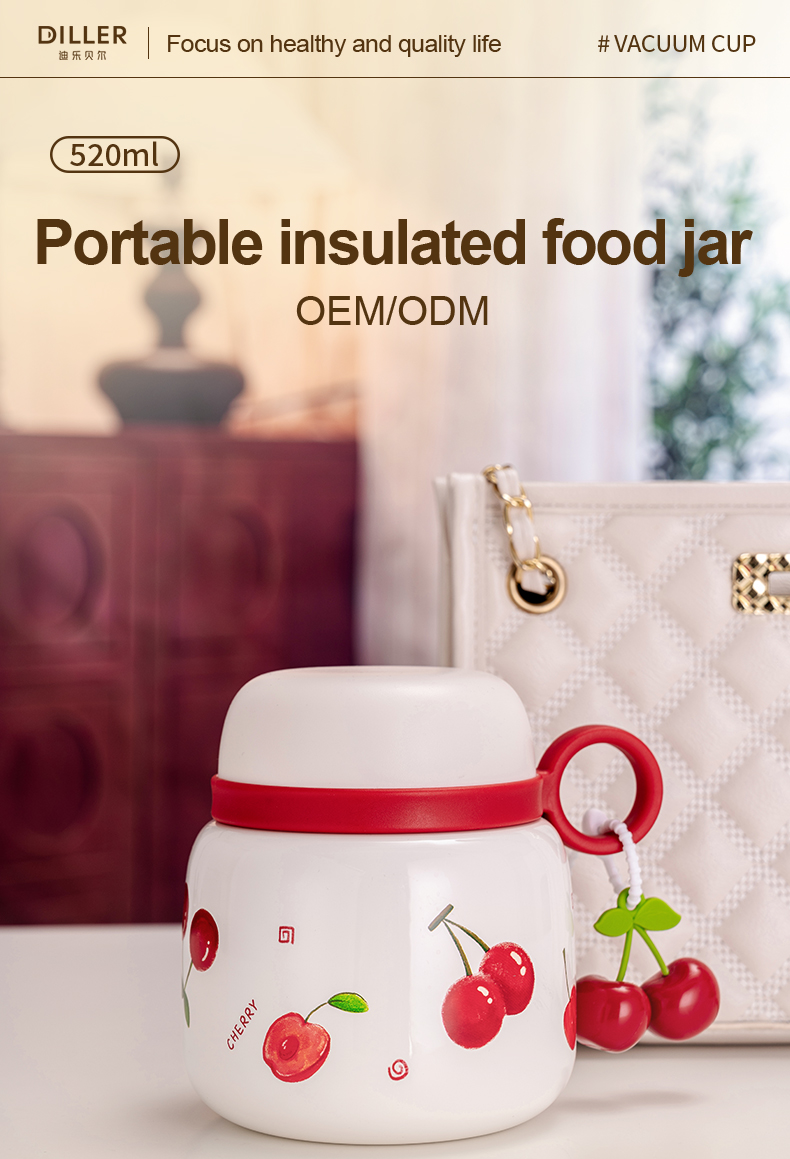
الوجبات الرئيسية بالجملة لجرار الطعام المعزولة
- اختر السعة وحجم الفتحة وفقًا للوجبة المقصودة ومجموعة المستخدمين.
- تحقق من كل مكون يتلامس مع الطعام، وليس فقط وعاء الفولاذ المقاوم للصدأ.
- استخدم طريقة اختبار حراري مكتوبة بدرجات حرارة وتوقيت محددين.
- تحقق من قوة الفتح، إطلاق الضغط، التسرب وإمكانية الوصول للتنظيف.
- وافق على الملعقة، وظيفة الغطاء كوعاء، الملصقات والتغليف مع الجرة.
كيف يجب على المشترين اختيار جرار طعام معزول؟
اختر جرار طعام معزول حسب الطعام المقصود، الحصة، مكان الأكل، مهارة المستخدم وطريقة التنظيف. الحساء، الأرز، المعكرونة، العصيدة والوجبات المختلطة تتفاعل بشكل مختلف مع الحاوية. قد يحتفظ فم الزجاجة الضيق بالحرارة بشكل فعال لكن يجعل الأكل والغسيل أقل ملاءمة.
للأطفال، الركاب، المستخدمين في الهواء الطلق والبرامج المؤسسية، راجع كيفية حمل الجرار وفتحه وتنظيفه. علاوة على ذلك، تحقق مما إذا كان يمكن استبدال الأجزاء الفضفاضة وما إذا كانت الملعقة تبقى مثبتة أثناء النقل.
إنشاء مواصفات الجملة لجرة الطعام المعزولة
| منطقة المواصفات | ما يجب تحديده | سبب المشتري |
|---|---|---|
| سعة | حجم الملء الاسمي والقابل للاستخدام | تطابق حجم الوجبة والمساحة العلوية |
| فتح | القطر الداخلي للفتحة | الوصول للأكل، الملء والتنظيف |
| الجسم الداخلي | درجة المادة والتشطيب | نطاق التلامس مع الطعام والمتانة |
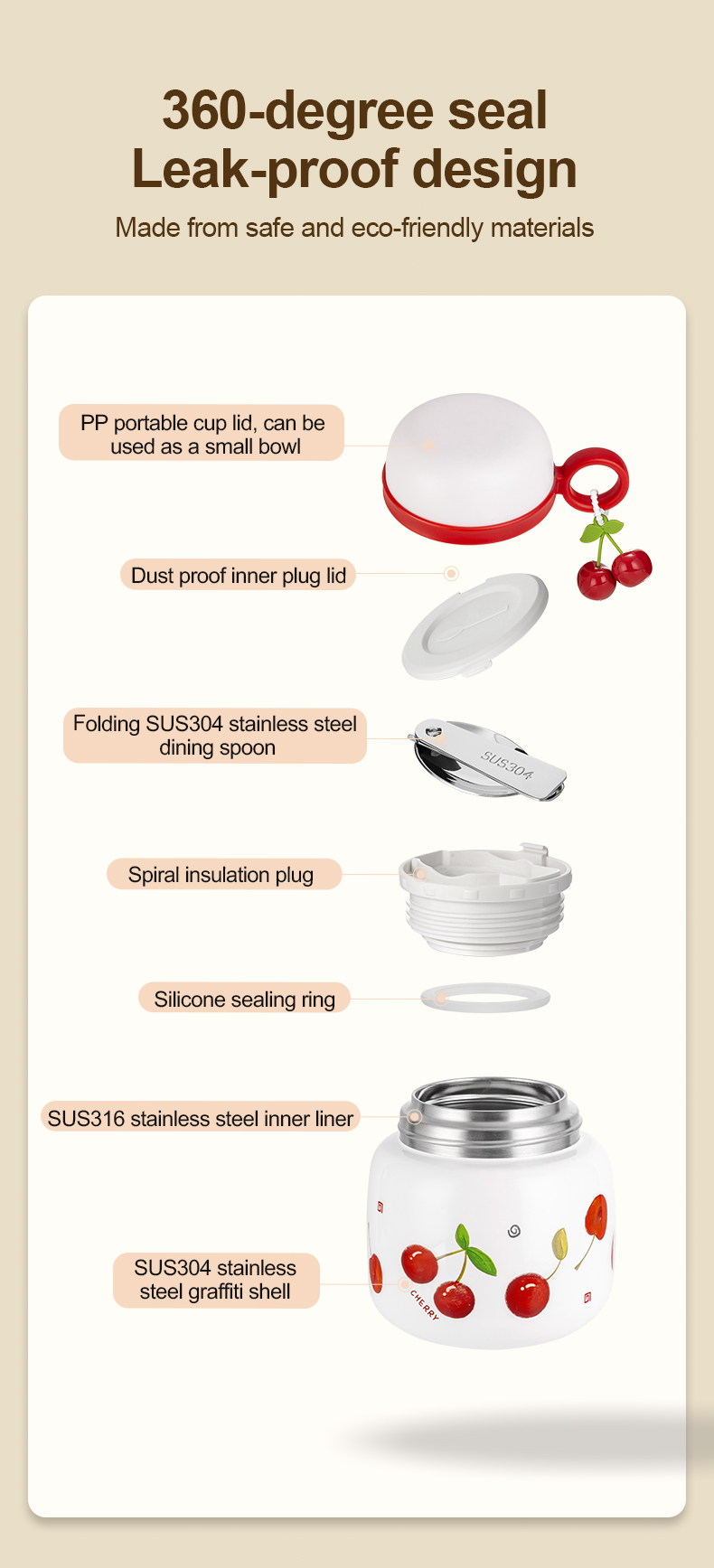
| نظام الغطاء | الخيط، السدادة الداخلية، الوعاء وميزة الضغط | التسرب وتجربة الفتح |
| ختم | المادة، الأبعاد وتوفر قطع الغيار | التحكم في التسرب وخدمة ما بعد البيع |
| ملحق | مادة الملعقة أو الشوكة والتخزين | تجربة المستخدم الكاملة |
| هدف حراري | طريقة الاختبار ودرجة الحرارة المقبولة | أدلة أداء قابلة للمقارنة |
| إنشاء هوية علامة تجارية فريدة | الحماية، التعليمات، الملصق والكرتون | النقل والجاهزية للسوق |
سجل المواصفات المعتمدة برقم إصدار. إذا عرض المورد عدة خيارات للغطاء، الحشية أو الملعقة تحت اسم نموذج واحد، فيجب أن يحدد أمر الشراء التركيبة الدقيقة.
مواصفات الجملة لجرار الطعام المعزولة تمنع أيضًا فرق المطالبات البيعية، التغليف والتفتيش من استخدام افتراضات منتج مختلفة.
اختر السعة والفتحة معًا
السعة وحدها لا تحدد قابلية الاستخدام. قد يكون الجرار الصغير مناسباً لوجبة بحجم طفل أو طبق جانبي، بينما قد يكون الجرار الأكبر مناسباً لغداء شخص بالغ أو الاستخدام المشترك. ومع ذلك، فإن الحجم الاسمي الكبير ليس مفيداً إذا كانت الفتحة، شكل القاعدة أو الملعقة تجعل الوصول إلى الجزء الأخير صعباً.
قم بقياس فتحة الفم والعمق الداخلي على العينة. ثم قم بمحاكاة الملء والأكل والغسيل باستخدام طعام ممثل. هذا الفحص العملي غالبًا ما يكشف أكثر من صورة الكتالوج.
Define a repeatable thermal performance test
A statement such as “keeps food hot for 12 hours” is incomplete without conditions. Heat retention changes with fill volume, starting temperature, food type, preheating, ambient temperature, opening frequency and lid design. Buyers should define a repeatable method and compare samples using the same equipment.
- Condition the jar and test environment consistently.
- Record whether the jar is preheated and for how long.
- Use a defined liquid or food simulant and fill volume.
- Measure and record the starting temperature.
- Close the complete lid system according to instructions.
- Record the ambient temperature and elapsed time.
- Measure the final temperature at the defined location.
- Compare the result with the written acceptance criterion.
The result applies only to the tested method. It should not be turned into a universal consumer promise without reviewing intended use and local claim requirements.
Test the lid, gasket and pressure behaviour
Hot contents can change the pressure inside a sealed jar and make the lid harder to open. The lid design, thread, seal and any pressure-release feature influence the user experience. Test opening after the agreed hot-fill and hold conditions with representative users.
For leakage, specify fill level, liquid temperature, orientation, duration and movement. A jar that remains upright on a desk faces a different risk from one carried in a school bag. Inspect the gasket for correct installation, compression and odour, and confirm whether replacements are available.
Evaluate cleaning and hygiene by design
Food residues can remain in threads, deep corners, seals and accessory compartments. The buyer should be able to remove and reinstall washable components without damaging them. Care instructions should state whether hand washing or dishwasher use is permitted for each part.
Inspect the surface after repeated cleaning according to the proposed instructions. Look for trapped residue, persistent odour, seal distortion, coating change, corrosion or water retained inside the lid assembly.
Verify materials and food-contact documentation
Food-contact review covers the inner body, lid, gasket, spoon and any coating or printed area that may contact food. The U.S. Food and Drug Administration describes food-contact safety according to the substance and conditions of use. In the European Union, the general framework is Regulation (EC) No 1935/2004, with additional measures applying to specific materials.
Match every report to the ordered model, material, colour and intended hot-food conditions. A test report for a cold-water bottle or a different plastic component may not support a food jar used with hot, oily or acidic meals.
Consequently, insulated food jar wholesale documentation must reflect the intended food types and temperatures rather than a generic bottle file.
| Quality check | Method to agree | Failure risk |
|---|---|---|
| Leakage | Fill, temperature, orientation and duration | Bag or carton contamination |
| الأداء الحراري | Controlled start, hold and final temperature | Unsupported product claim |
| Opening force | Hot-fill hold and user test | Lid cannot be opened safely |
| المظهر | عينة معتمدة وفهرس العيوب | Dents, scratches or print variation |
| Odour | Conditioning and controlled evaluation | Negative food experience |
| إنشاء هوية علامة تجارية فريدة | Drop, vibration or agreed transit check | Damage before sale |
Diller 520 ml insulated food jar example
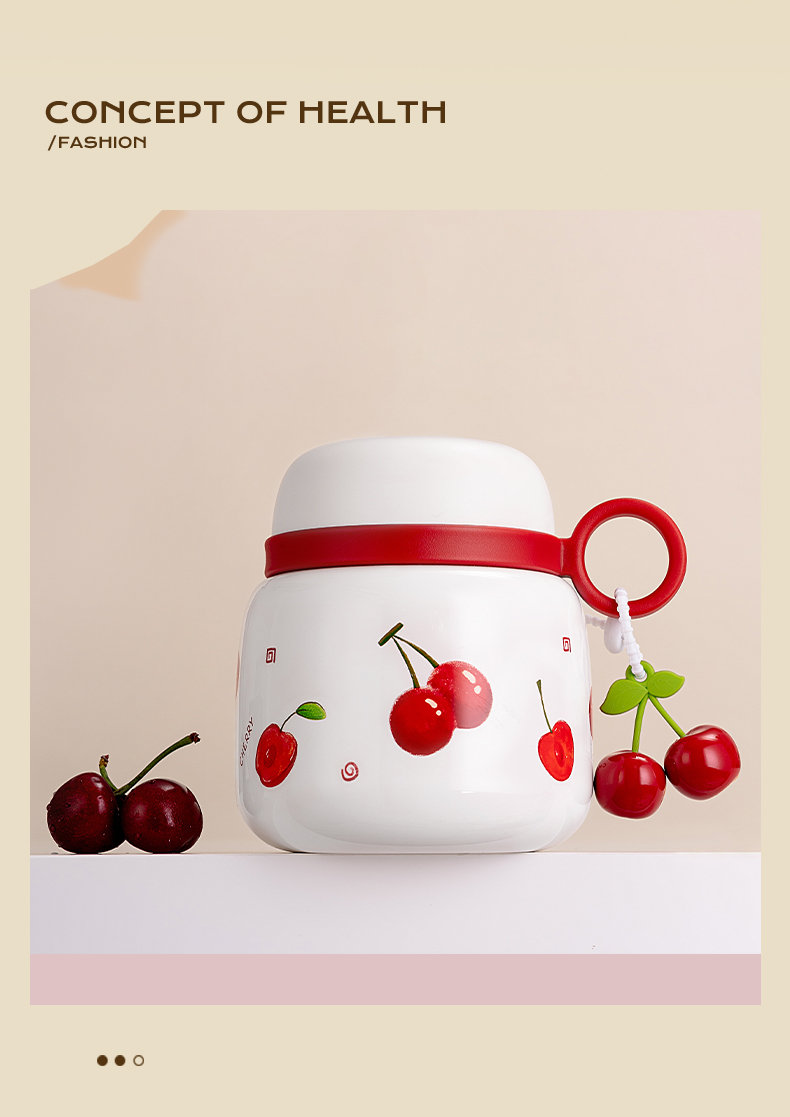
Diller’s 520 ml MLH9215 food jar is presented with a stainless steel inner container, wide opening, spoon and a lid that can support eating use. The compact body and coordinated design make it relevant to lunch, gifting and family-oriented channels. Buyers should verify the current material specification, thermal method, colour mix, packaging, MOQ and applicable documents for each order.
Diller can also coordinate logo, exterior decoration and packaging through its custom development service. The project should retain practical opening, cleaning and sealing performance after any component or decoration change.
Insulated food jar buyer checklist
Complete this insulated food jar wholesale checklist before releasing the final sample and bulk order.
- ☐ Nominal and usable capacity confirmed
- ☐ Mouth diameter and internal depth measured
- ☐ Inner body, lid, seal and spoon materials listed
- ☐ Thermal test method and acceptance result written
- ☐ Leakage test reflects the intended transport use
- ☐ Hot-fill opening and pressure behaviour tested
- ☐ Cleaning method and removable parts approved
- ☐ Spare seals and accessories discussed
- ☐ Decoration and packaging sample signed
- ☐ Destination-market documentation reviewed
الأسئلة الشائعة
What capacity is best for insulated food jar wholesale orders?
There is no universal best capacity. Select it according to the meal, user age, portion, carrying method and range position. Test usable capacity and eating access rather than relying only on the nominal millilitre value.
How should heat retention be compared?
Use the same jar conditioning, fill volume, starting temperature, ambient temperature, elapsed time and measurement location. Record all values. Results from different methods should not be compared as if they were equivalent.
Can a food jar be used for cold meals?
Many vacuum-insulated food jars can also slow heat transfer for cold contents. However, the supplier should confirm the intended use, and the buyer should test the complete product under representative conditions.
What is the most important lid check?
Leakage and opening behaviour are both critical. Test the jar after hot filling and holding because internal pressure and gasket compression can affect opening. Also confirm that the user can remove, clean and reinstall the seal correctly.
Approve the complete eating experience
Insulated food jar wholesale selection should connect measurable thermal performance with realistic eating, carrying and cleaning. Define the jar, lid, seal, spoon and packaging as one system, then verify materials and approve a repeatable test plan. This produces a stronger product than relying on capacity and an unsupported hour claim.
View the Diller 520 ml food jar, browse the complete product collection, راجع quality control frameworkأو request a food jar quotation and sample.