
Kurze Antwort: Ein Wasserflaschenlieferant für Südostasien sollte anhand der lokalen Produktpassung, Material- und Etikettanforderungen, Qualitätskonsistenz, gemischten Sortimentsoptionen, Individualisierung, Lagerstrategie, Dokumentation, Logistik und Händlerunterstützung bewertet werden. Südostasien ist kein einheitlicher Markt: Importeure müssen die Regeln, Kanäle, das Klima, Kundenpräferenzen und Zollverfahren des jeweiligen Ziellandes überprüfen.
Dieser Leitfaden richtet sich an Agenten, Händler, Importeure, Großhändler und Eigenmarken, die Indonesien, Vietnam, Thailand, Malaysia, Singapur, die Philippinen und andere ASEAN-Märkte bedienen. Er konzentriert sich auf den Aufbau eines zuverlässigen, differenzierten Produktprogramms, anstatt das niedrigste Angebot zu finden.
Wasserflaschenlieferant für Südostasien – Wichtige Erkenntnisse
- Definieren Sie das Zielland, den Kanal und den Zielbenutzer, bevor Sie Produkte auswählen.
- Nationale Import-, Etikettierungs-, Lebensmittelkontakt- und Zollanforderungen separat prüfen.
- Verwenden Sie einen Produktlinientest, anstatt unzusammenhängende Designs zu kaufen.
- Bewerten Sie Lager, Individualisierung und Wiederauffüllung als kombiniertes kommerzielles System.
- Wählen Sie Qualität, Innovation und Händlerunterstützung gegenüber einem Angebot, das keine Konsistenz nachweisen kann.
Definieren Sie den südostasiatischen Markt genau
Eine Lieferantenausschreibung sollte das Land, den Vertriebskanal, die Zielpreisposition, den beabsichtigten Nutzer, die Produktkategorie und das Startdatum benennen. “Südostasien” ist für die Produktauswahl zu weit gefasst. Ein E-Commerce-Test in Malaysia, ein Werbegeschenkprogramm in Singapur und die regionale Verteilung in Indonesien erfordern unterschiedliche Sortiments-, Sprach-, Dokumentations- und Lagerentscheidungen.
Das ASEAN-Handelsregister bietet Zugang zu Zoll-, nichttarifären, zollrechtlichen und dokumentarischen Informationen der Mitgliedstaaten. Käufer sollten die entsprechende nationale Quelle oder einen qualifizierten Berater nutzen, um die aktuellen Vorschriften zu bestätigen. Ein regionaler Vertriebsplan entbindet den Importeur nicht von seiner Verantwortung in jedem Zielland.
Ein Produktsortiment für den Vertriebskanal aufbauen
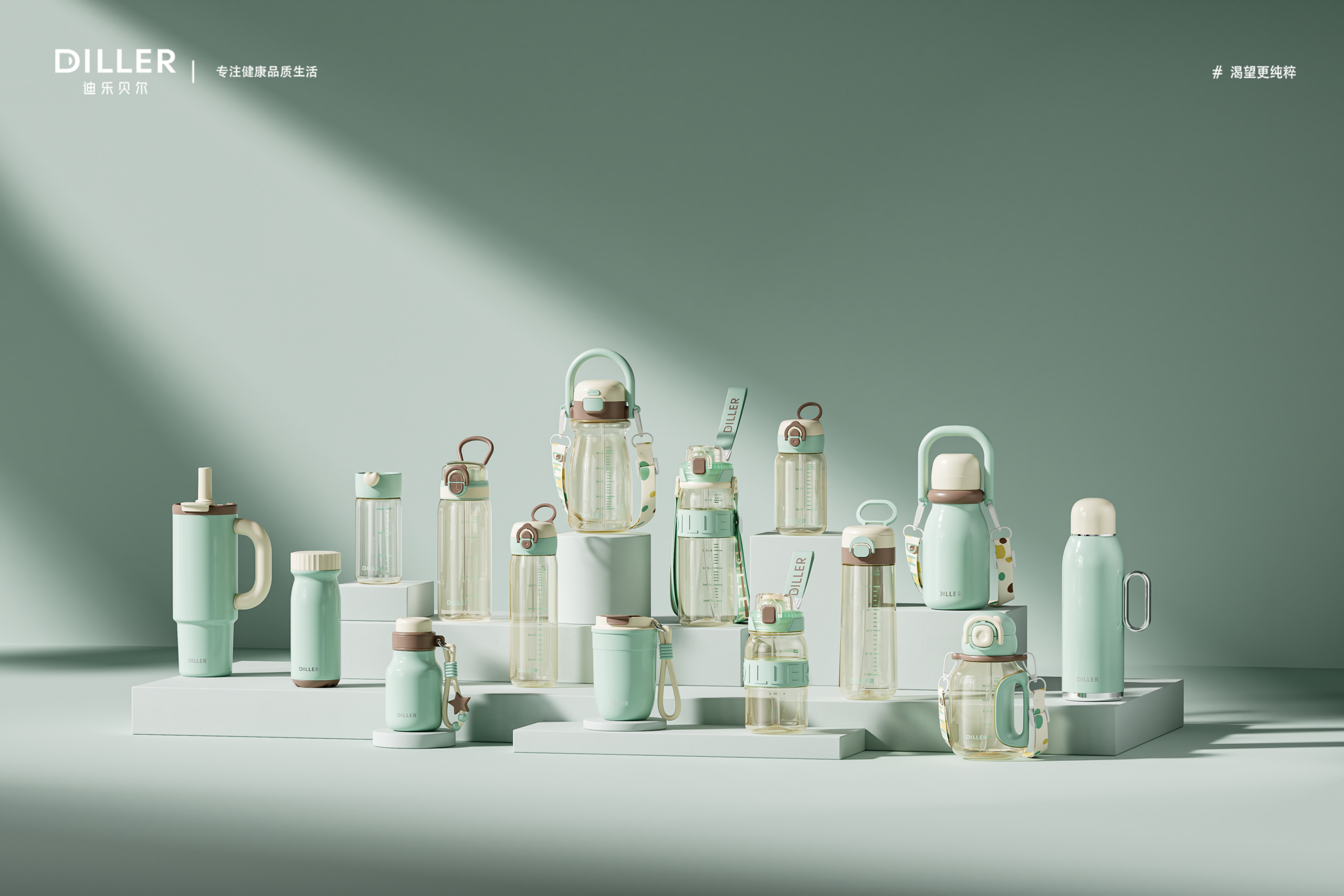
Beginnen Sie mit Rollen anstelle eines langen Katalogs. Ein Händler benötigt möglicherweise eine isolierte Kernflasche, ein leicht zu tragendes Modell, ein Premiummaterial oder -finish, eine Kinderkollektion und eine Option für Unternehmensgeschenke. Jede SKU sollte eine klare Kundengruppe und Preisposition haben.
| Sortimentsrolle | Käuferfrage | Lieferantennachweis |
|---|---|---|
| Kern-Isolierflasche | Kann es kontinuierlich nachgefüllt werden? | Stabile Spezifikation und Wiederholungsplan |
| Markttestmodell | Kann die Nachfrage mit kontrolliertem Inventar getestet werden? | Aktueller Bestand, gemischte Optionen und Muster |
| Premium-Innovation | Warum wird der Vertriebskanal einen höheren Wert akzeptieren? | Unterschiedliche Materialien, Design und Qualitätsgeschichte |
| Kinder oder Familie | Sind Nutzung, Teile und Dokumente angemessen? | Komponentenspezifikation und Zielmarktprüfung |
| Unternehmens-/kundenspezifisch | Können Markenbildung und Frist kontrolliert werden? | Gestaltung, Muster, Produktion und Verpackungsprozess |
Eine Kollektion mit fünf unterschiedlichen Funktionen ist in der Regel leichter zu verkaufen und nachzufüllen als zwanzig optisch ähnliche Flaschen. Nutzen Sie nach der Markteinführung den Absatz, Rückgabegründe und Kundenfragen, um die Mischung zu verfeinern.
Design mit regionalen Nutzungsbedingungen abstimmen
Überprüfen Sie Trinkgewohnheiten, Transport, Klima, Reinigungszugang und Kanalpräsentation. Eine große Flasche mit Griff kann für Pendler oder Outdoor-Nutzung geeignet sein, während ein kompaktes, auslaufsicheres Modell für Schul- oder Bürotaschen passen könnte. Weite Öffnungen, Strohhalme, Teefilter und Halterungskompatibilität lösen jeweils verschiedene Anwendungsfälle.
Verwandeln Sie diese Beispiele nicht in nationale Stereotype. Testen Sie repräsentative Produkte mit lokalen Partnern und Kunden. Der Distributor bringt Marktwissen ein, während der Lieferant Produkttechnik und Produktionsnachweise beisteuert.
Bewerten Sie den Lieferanten über das Angebot hinaus
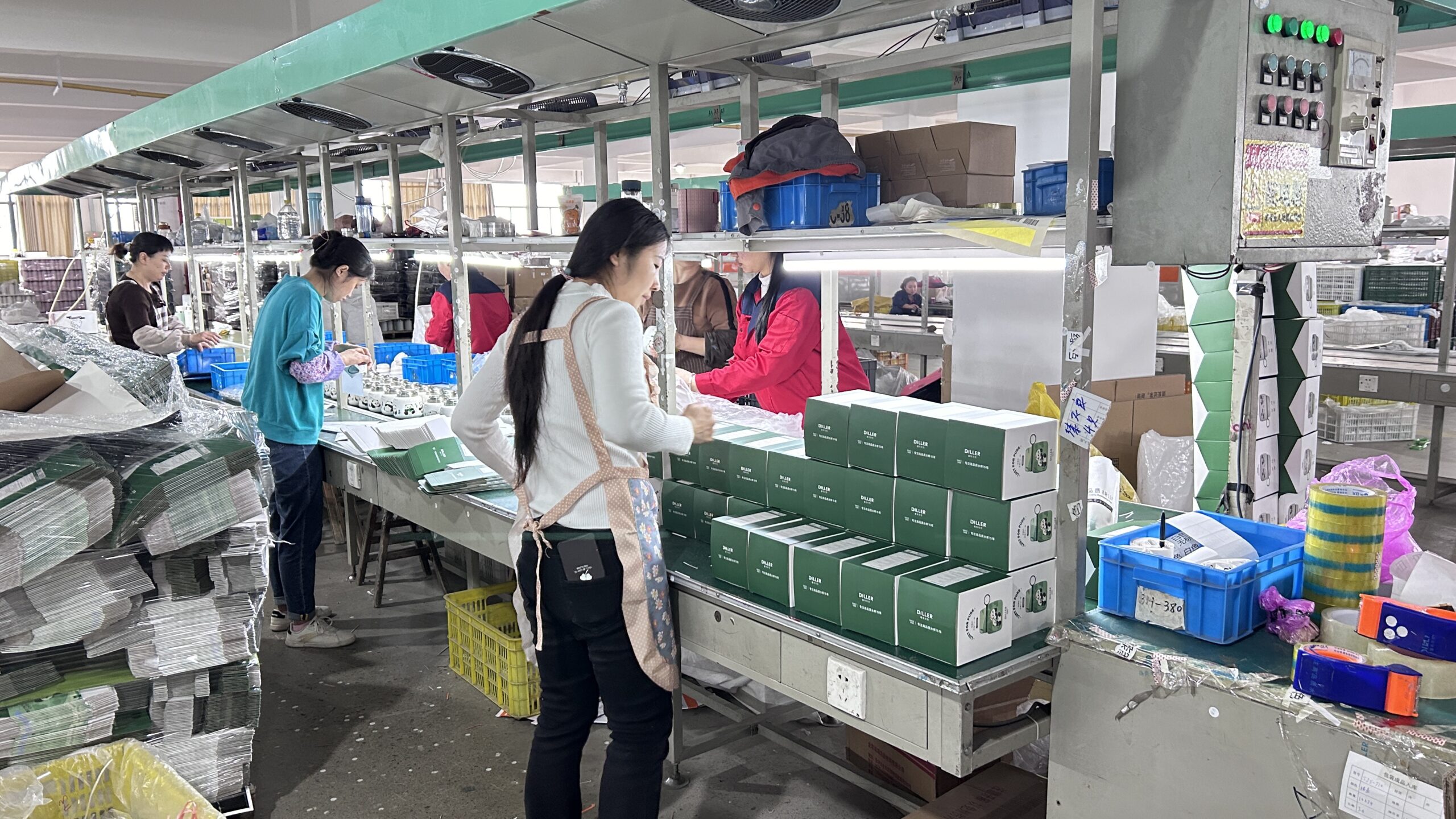
Ein leistungsfähiger Wasserflaschenlieferant für Südostasien sollte erklären, wie er die angebotenen Produkte entwickelt, genehmigt, produziert und inspiziert. Fordern Sie Nachweise an, die der tatsächlichen Fabrik und dem SKU entsprechen, nicht nur eine Unternehmenspräsentation.
Darüber hinaus sollte der Wasserflaschenlieferant für Südostasien darlegen, wie der aktuelle Bestand, die kundenspezifische Produktion und die zukünftige Nachfüllung mit dem Markteinführungsplan des Distributors verbunden sind.
- rechtliche Unternehmens- und Fertigungsbeziehung;
- Produktspezifikationen und Versionskontrolle;
- Rückverfolgbarkeit von Materialien und Komponenten;
- Musterfreigabe- und Änderungskontrollprozess;
- Wareneingangs-, Zwischen- und Endprüfung;
- Lagerstatus und Wiederauffüllungsplanung;
- custom colour, logo and packaging capabilities;
- complaint, spare-part and corrective-action process.
Due diligence should continue throughout the relationship. The U.S. International Trade Administration recommends evaluating markets and partners to reduce business risk. For buyers, this principle means checking the entity, capability, references and commercial terms before scaling.

Review destination requirements before production
Food-contact, labelling, consumer information, packaging, customs and product claims may differ between ASEAN member states. Confirm the importer of record, applicable tariff classification, language, required reports and document responsibilities before artwork and packaging are frozen.
A general FDA, LFGB or “BPA-free” statement is not a complete compliance file. Review the body, lid, gasket, straw, coating, decoration and intended conditions of use. Check that test reports identify the correct material, model, colour and regulatory reference.
Use ready stock and customisation deliberately
Ready stock can help an agent test capacities, lids and colours while controlling initial inventory. Customisation can then build stronger local differentiation through selected colours, logo, packaging or product changes. The two routes should work as stages of one plan.
Ask the supplier which items are genuinely available, how long stock can be reserved and how successful models will be replenished. For custom orders, request MOQ by change: bottle, coating, decoration, component and packaging may each have a different constraint.
Plan routes, documents and inventory buffers
International logistics performance varies by route, mode, port, customs process and inland connection. The World Bank’s LPI 2.0 examines shipment-level speed and connectivity rather than assuming that one national average explains every order. Buyers should therefore plan with current route quotations and milestone tracking.
Confirm the Incoterm and named place, carton measurements, gross weight, total volume, booking party, insurance responsibility and document list. Ask the importer or customs broker which current documents are required. Missing or inconsistent information can delay clearance even when the products are complete.
A water bottle supplier for Southeast Asia should provide accurate cargo data early enough for the importer to verify route and document requirements.
Evaluate brand and distributor support
Diller does not compete as the lowest-price supplier. Its relevant advantages are brand development, product innovation, quality control and the coordination of brand + supply chain + factory. For an agent or distributor, the question is whether these capabilities can support a sustainable local product system.
Useful support may include product training, samples, approved images, specifications, launch assets, new-product information, regional planning and after-sales coordination. Territory, channels, targets, online sales, brand use and review periods should be written into the cooperation plan.
Diller’s confirmed company profile includes 16 years of experience, over 50,000 square metres of factory space, daily capacity above 10,000 pieces and product coverage across 60 countries. Product-level stock, capacity, MOQ and timing still require project confirmation.
Supplier evaluation scorecard
Use the scorecard to compare each water bottle supplier for Southeast Asia against the same evidence, not only against unit price.
| Bereich | Weighting question | Evidence to collect |
|---|---|---|
| Product fit | Does the range solve real channel needs? | Assortment brief and market test |
| Innovation | Can the supplier support future launches? | Development process and release pipeline |
| Qualität | Can the specification remain consistent? | Samples, tests, QC records and corrective action |
| Compliance | Does evidence match the destination and SKU? | Component file and current reports |
| Supply | Can stock and production support replenishment? | Allocation and milestone plan |
| Partnership | Are responsibilities measurable? | Written support and review plan |
Häufig gestellte Fragen
Is there one compliance standard for all Southeast Asian countries?
No. ASEAN provides regional trade resources, but national requirements and procedures still apply. The importer should confirm current food-contact, label, customs and documentation rules for each destination before production.
Should a new distributor begin with ready stock?
Ready stock can support a controlled test when the SKU, quantity, quality and replenishment plan are verified. It is not automatically the right route if the products lack local fit or meaningful differentiation.
What should an exclusive distributor agreement define?
Define territory, channels, products, term, performance expectations, brand use, online sales, sub-distribution, support, reporting, inventory, after-sales responsibilities and review or exit conditions. Obtain qualified legal advice for the relevant jurisdictions.
How can a distributor avoid price-only competition?
Build a coherent range, choose recognisable design, explain verified quality, maintain local availability and provide service. A supplier’s innovation and brand assets matter only when the distributor converts them into a better channel experience.
Choose a partner for the market you are building
A water bottle supplier for Southeast Asia should provide more than products and a unit price. Define the exact country and channel, test a purposeful assortment, verify quality and documents, plan logistics and write the partnership responsibilities. This creates a stronger foundation for regional distribution and long-term replenishment.
Erkunden Sie Diller’s water bottle collection, überprüfen Sie unseren custom development capabilities, read how branded drinkware helps distributors compete, oder discuss Southeast Asia distribution with Diller.