
Respuesta rápida: An insulated bottle supplier for Europe should provide a controlled product specification, food-contact material evidence relevant to the actual article, product-safety information, traceability, accurate labels, packaging data and consistent quality inspection. The EU importer must determine the rules that apply to the product and market, so generic certificates should not replace product-specific due diligence.
This guide is for European importers and distributors evaluating Diller branded or OEM insulated bottles. It is not legal advice.
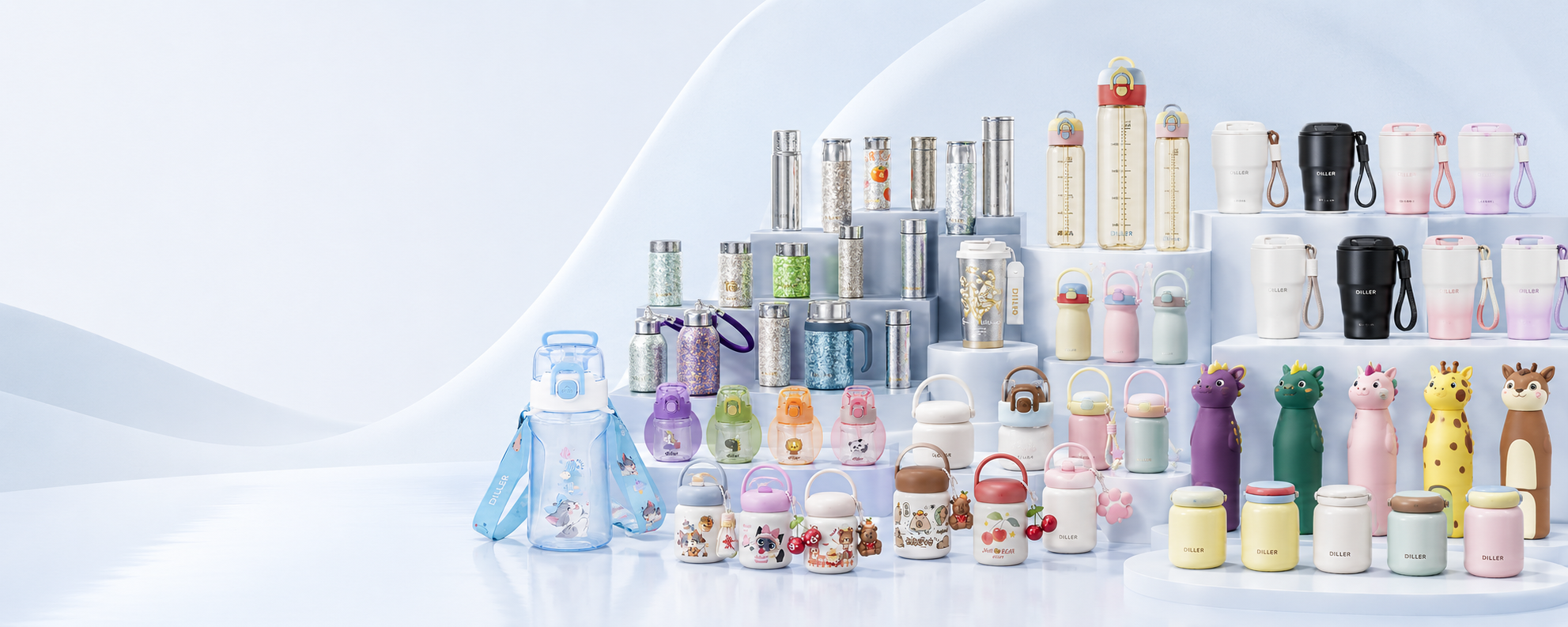
Insulated bottle supplier for Europe: key takeaways
- Identify the exact product, materials and intended use.
- Map EU and national requirements before ordering tests.
- Verify traceability and responsible-operator information.
- Control claims, instructions, labels and online listings.
- Retain supplier and inspection records by product version.
Start with the complete product
List liner, shell, lid, gasket, straw, coating, ink and packaging components. Food-contact review depends on the actual materials and conditions of use. Regulation (EC) No 1935/2004 provides a general EU framework for materials intended to contact food, while additional measures and national rules may apply.
Review general product safety
Regulation (EU) 2023/988, the General Product Safety Regulation, applies to consumer products within its scope and includes obligations relating to safety, traceability and online sales. The importer should assess the product, foreseeable use, warnings, technical documentation and economic-operator information.
| Due-diligence area | Evidencia del proveedor | Importer action |
|---|---|---|
| Identidad del producto | SKU, drawing and BOM | Confirm marketed version |
| Food contact | Material and relevant test evidence | Define applicable scope |
| Seguridad | Risk and test information | Complete market assessment |
| Traceability | Batch and supplier records | Maintain accessible file |
| Labelling | Packaging artwork and data | Verify language and operator details |
| Calidad | Approved sample and inspection | Set acceptance plan |
Control environmental and packaging claims
European packaging requirements are changing under the Packaging and Packaging Waste Regulation framework. Importers should confirm the applicable dates and obligations for their packaging. Avoid unsupported “eco-friendly”, recyclable or reusable claims; describe the product and evidence precisely.
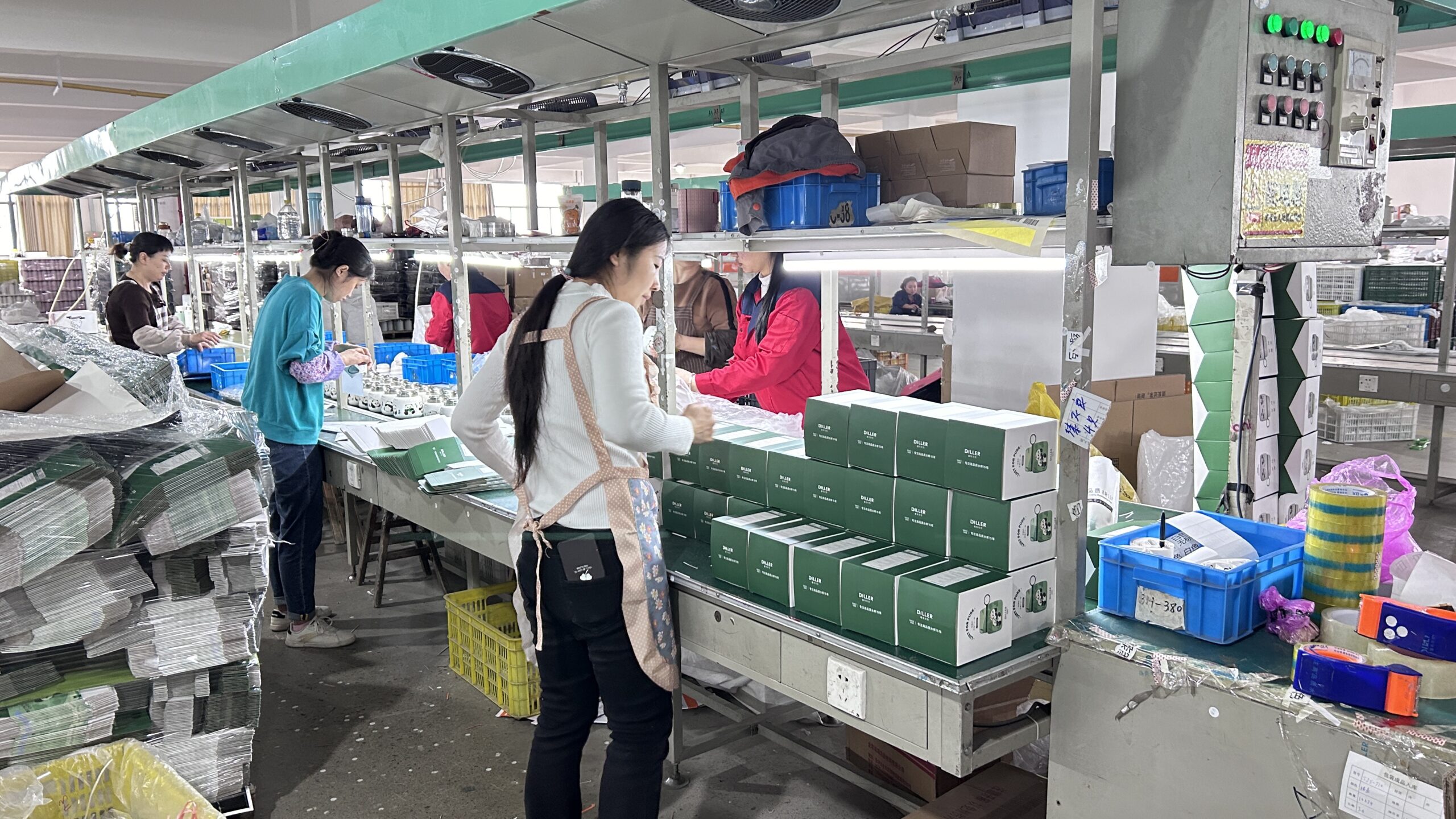
Assess the supplier’s operating system
Ask how samples, material changes, nonconforming goods, traceability and claims are controlled. Review factory and third-party evidence where risk justifies it. A certificate name without model, material, method and report date gives limited assurance.
Why European partners consider Diller
Diller offers branded distribution and OEM/ODM support through a brand + supply chain + factory model. Its confirmed capabilities include 16 years of experience, a factory above 50,000 square metres, daily capacity above 10,000 pieces and product reach across 60 countries.
Diller can supply technical and production information for selected products, but the European importer remains responsible for confirming applicable requirements and the adequacy of evidence for its market.
European importer file checklist
- Final product identity, images, drawing and bill of materials.
- Supplier and responsible economic-operator information.
- Risk assessment and relevant test or compliance records.
- Batch or serial traceability approach.
- Approved labels, warnings, instructions and language versions.
- Food-contact declarations and supporting scope where applicable.
- Packaging composition and required environmental information.
- Pre-shipment inspection and corrective-action records.
- Online listing content aligned with the physical product.
Keep the file for the current marketed version and preserve prior revisions. If the lid, gasket, coating, ink or package changes, evaluate whether the evidence and risk assessment remain applicable. Compliance should follow the product through its life cycle, not end after the first shipment.
Preguntas frecuentes
Is an “LFGB certificate” enough for every EU market?
No. Check the report, tested article, materials, methods, date and intended use. EU-wide and national requirements may differ, and the importer must assess the complete product.
Does CE marking apply to ordinary insulated bottles?
CE marking applies only where specific EU harmonisation legislation requires it. Do not place a CE mark on a product merely as a general quality symbol.
Who is responsible for EU labelling?
Responsibilities depend on the supply chain and applicable rules. The importer should verify required product, operator, traceability, warning and language information before sale.
Make compliance part of product selection
An insulated bottle supplier for Europe should help the importer connect the physical product with accurate evidence, controlled production and traceability. Begin due diligence before finalising artwork and testing, then keep records aligned with every revision.
Revisar Diller’s insulated bottle range o request product-specific European sourcing information.