
Réponse rapide : Custom insulated bottle packaging must perform four jobs: protect the bottle, identify the exact SKU, communicate accurate product and care information, and present the brand consistently. Buyers should approve structure, artwork, barcode, inserts and shipping carton together, then test the packed product through the intended distribution route.
This checklist is for private-label brands, distributors and corporate buyers.
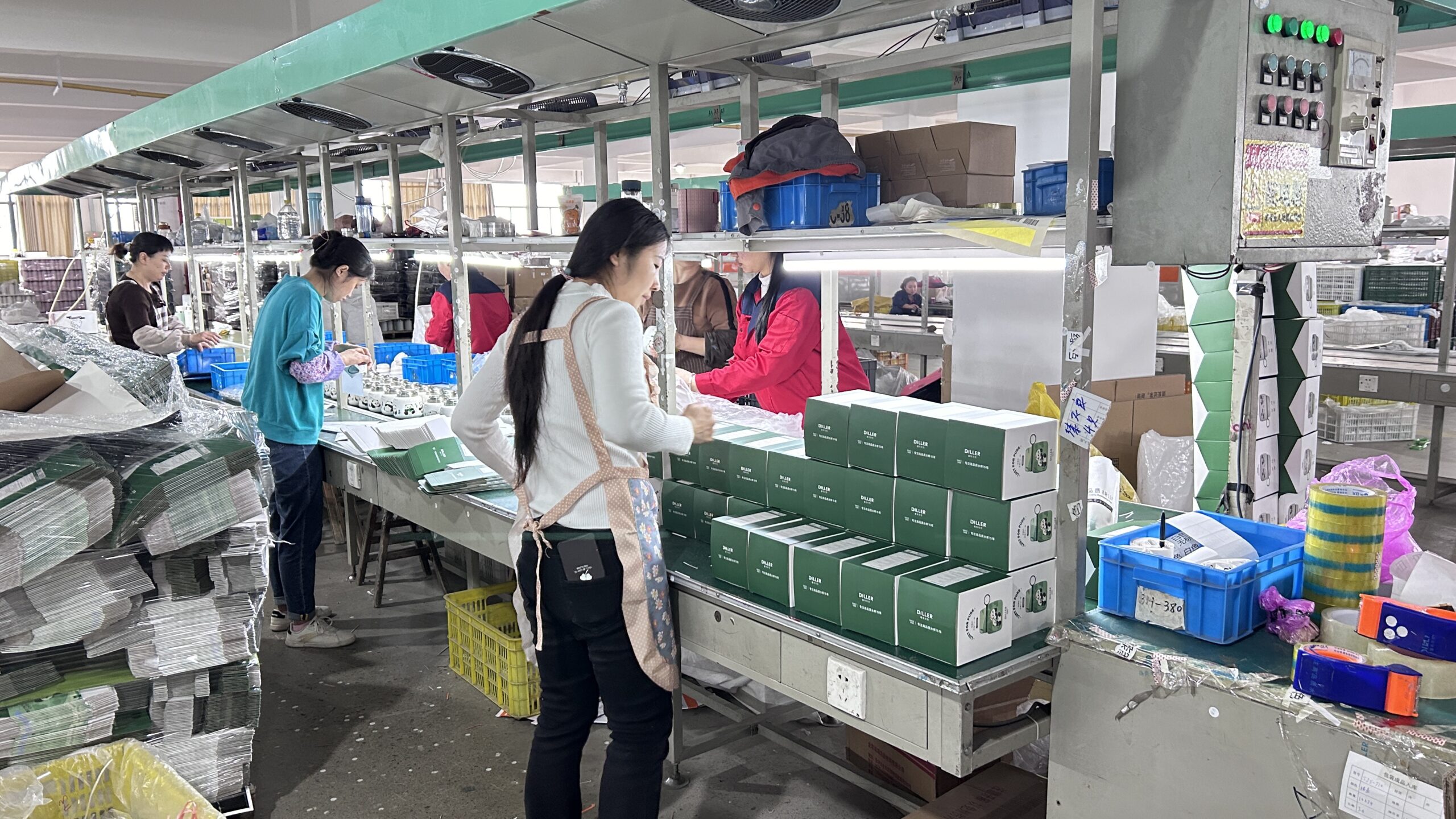
Custom insulated bottle packaging: key takeaways
- Design protection around the actual bottle and accessories.
- Match every box to the correct SKU and revision.
- Verify claims, warnings, origin and importer information.
- Scan production barcodes before shipment.
- Test unit box and master carton as one system.
Choose the packaging structure
A compact bottle may work with a folding carton and simple insert. A heavy bottle, protruding handle, straw or premium finish may need stronger support. The structure should prevent movement, abrasion and component damage without creating unnecessary material.
| Layer | Primary function | Vérification de l'acheteur |
|---|---|---|
| Surface protection | Prevent scratches and rubbing | Compatible material and complete coverage |
| Insert | Hold product and parts | No movement or pressure damage |
| Retail box | Brand and product information | Correct artwork and strength |
| Master carton | Transport and handling | Quantity, marks and stacking |
| Pallet where used | Unitised shipment | Dimensions and destination rules |
Control artwork and product information
The box should identify product name, model, capacity, material statements, care information and the responsible business details required for the destination. Avoid claims that are not supported by the selected production version.
Give the packaging file a revision code. The same bottle shape can exist in different materials or lid versions, so an attractive but obsolete box is not acceptable.
Plan barcode and carton data
Use the correct GS1 identifier assigned by the brand owner and verify size, quiet zones, contrast and placement. Print and scan a physical sample before bulk production. Master cartons may require a different code and logistics labels.
Carton marks should match the purchase order, SKU, colour, quantity, gross and net weight, dimensions and destination instructions.
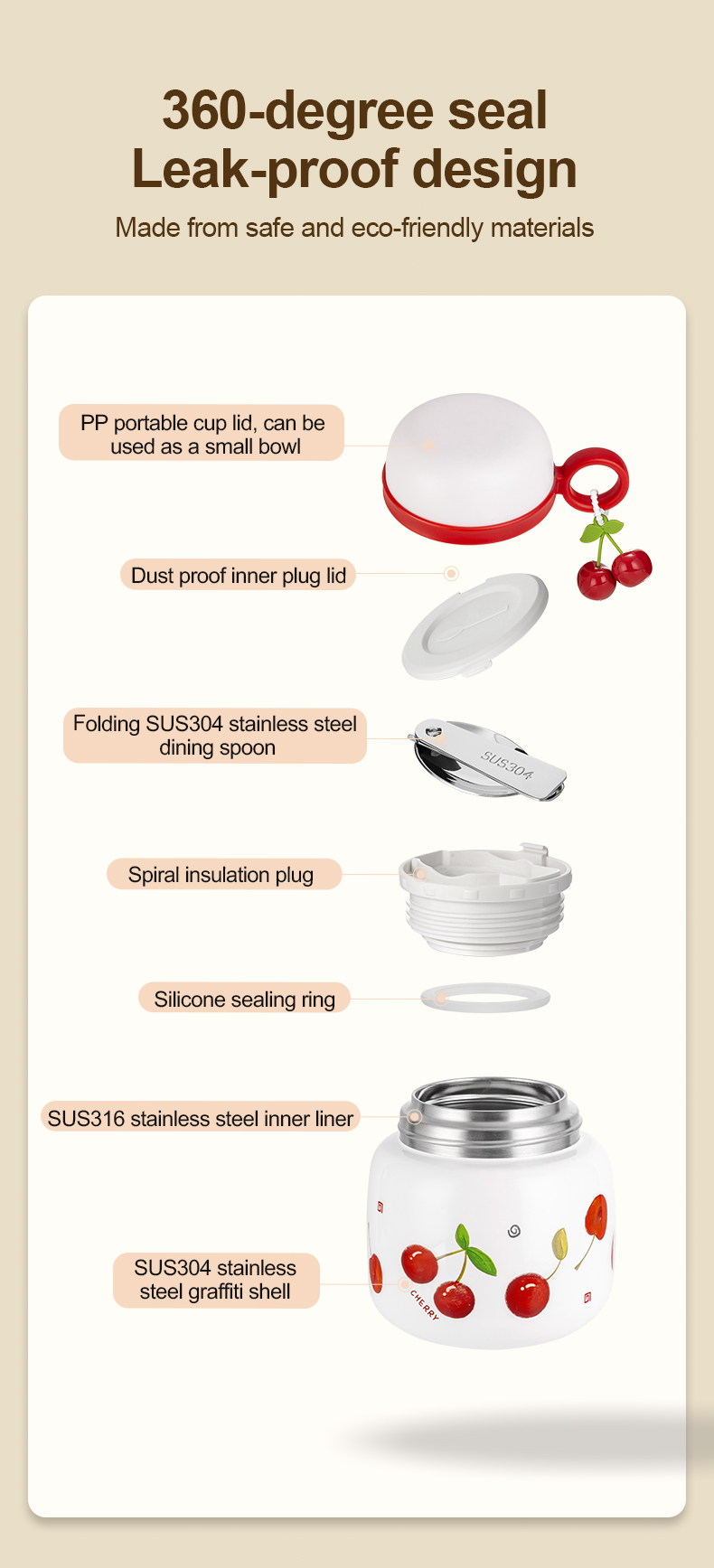
Test the packed product
Agree a packaging test appropriate to the distribution route. Parcel e-commerce, palletised wholesale and store replenishment create different handling risks. Inspect both the product and the box after the test.
A test result applies to the tested configuration. Changing box dimensions, insert, carton count or bottle weight may require review.
How Diller coordinates OEM packaging
Diller can coordinate bottle, decoration, box, insert and carton through its supply chain and factory workflow. This makes it easier to align packaging with the final product sample. Buyers still approve all artwork, legal information, barcode ownership and destination requirements.
Packaging approval checklist
- Place the final bottle and every accessory into the production insert.
- Check that the coated surface cannot rub against hard components.
- Verify product name, capacity, materials, care and warning text.
- Scan the retail and logistics barcodes from printed samples.
- Compare box dimensions and weight with fulfilment limits.
- Confirm units per carton and carton stacking direction.
- Inspect print colour, small text, glue, closures and tamper features.
- Record the artwork, dieline and packed-product version.
For e-commerce, also review the product after representative parcel handling because the consumer may receive the retail box without an outer wholesale carton. For retail distribution, check shelf orientation and whether the box clearly distinguishes capacities and colours.
Questions fréquemment posées
Can standard packaging be used for a private-label launch?
Yes, when it protects the product and the brand can add accurate approved information through a label or sleeve. Confirm the customer experience and market requirements.
Who owns the barcode?
The brand placing the product on the market typically obtains and manages its identifiers through the relevant GS1 organisation. Confirm ownership and assignment before printing.
Should packaging be approved before the bottle?
No. Packaging development can begin early, but final dimensions, component arrangement and claims should follow the approved bottle version.
Protect the product and the brand
Custom insulated bottle packaging should arrive intact, scan correctly and tell the truth about the product inside. Control the complete pack as carefully as the bottle itself.
Read Diller’s guide d'emballage de gros ou request custom packaging support.