
Quick answer: OEM water bottle sample development should move through defined gates: requirement confirmation, appearance or engineering sample, decorated sample, packaging sample and final pre-production approval. Each sample must state what it proves and what remains open. The last approved physical sample and written specification become the reference for mass production.
This process is for brands and importers developing custom insulated bottles with Diller.
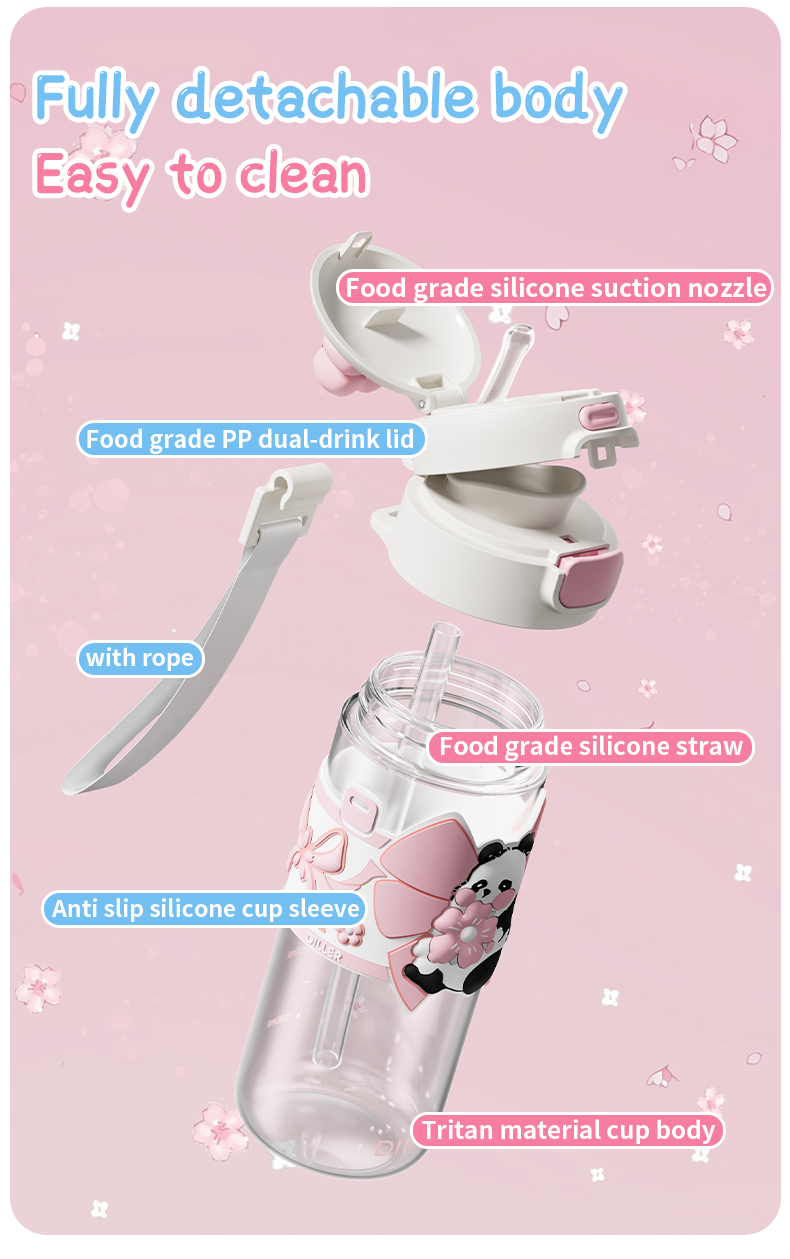
OEM water bottle sample development: key takeaways
- Give every sample a purpose and version number.
- Do not treat a visual mock-up as functional approval.
- Test the complete bottle under intended conditions.
- Record deviations and unresolved items.
- Release mass production only after final approval.
Use sample stages
| Stage | Main purpose | Not automatically approved |
|---|---|---|
| Concept/rendering | Shape, proportion and placement | Materials and performance |
| Engineering sample | Fit, operation and dimensions | Final colour and decoration |
| Decoration sample | Logo, finish and appearance | All functional tests |
| Packaging sample | Protection, information and unboxing | Bulk print consistency |
| Pre-production sample | Final combined reference | Bulk acceptance without inspection |
Inspect the functional system
A bottle is a system of body, liner, lid, gasket, straw, handle, coating and packaging. Check assembly, opening force, leakage, drinking flow, cleaning access and part retention. For an insulated model, agree the thermal test method and acceptance target.
Test with intended beverage types and temperatures where appropriate. A sample that works with room-temperature water does not prove every hot, acidic, carbonated or dairy use.
Approve appearance with measurable references
Record colour, gloss, texture, logo dimensions, location, orientation and acceptable defects. Use photographs to support the record, but retain the physical sample where colour and finish matter. Screens and lighting can change appearance.
Write a sample approval record
- project, SKU and sample version;
- date received and reviewer;
- approved materials and dimensions;
- colour and decoration reference;
- functional test method and result;
- packaging version;
- deviations accepted only for the sample;
- changes required before production;
- final approval signature and date.
A verbal “looks good” cannot control mass production. If several teams approve different areas, consolidate their decisions into one release version.
How Diller supports sample development
Diller can coordinate design, factory engineering, decoration, packaging and quality review through one project route. The company’s 16 years of experience and brand + supply chain + factory model are particularly useful when innovation must remain manufacturable and consistent.
Sample time and cost depend on tooling, finish, artwork, components and testing. Confirm these from the project brief rather than applying one general lead time.
Common sample approval mistakes
One common mistake is approving photographs without receiving the physical bottle. Another is allowing several teams to send conflicting comments directly to the factory. Buyers also create risk when they approve colour but do not record the lighting or master reference, or when they approve a functional prototype while assuming the surface is final.
Consolidate feedback in one marked file. Separate “approved,” “change required,” and “information needed.” When a change affects the lid, gasket, coating or packaging dimensions, ask which previous approvals must be repeated. A small component revision can affect leakage, fit and the box insert at the same time.
Before authorising production, place the approved sample beside the final specification and verify that names, measurements and versions agree. This final cross-check is inexpensive compared with correcting a completed batch.
Frequently asked questions
How many sample rounds are normal?
The number depends on novelty and the quality of the brief. An existing bottle with a logo may need fewer rounds than a new lid or body. Use approval gates rather than promising a fixed count.
Can a digital rendering approve colour?
No. It can show intent and placement, but final colour should be reviewed on a physical surface representative of production.
Is an approved sample enough for shipment?
No. Bulk production still needs inspection against the approved sample and specification. Sampling approval establishes the reference; it does not prove every unit.
Turn the sample into a controlled reference
OEM water bottle sample development protects both buyer and supplier when every stage answers a defined question. Approve the combined production version in writing, then use it for inspection and reorders.
Use Diller’s sample approval checklist or start an OEM sample project.