
簡潔な回答: 水筒サンプルの承認は、購入者が製品の同一性、材料、寸法、色、ロゴ、蓋の操作、漏れ、熱性能、アクセサリー、包装を文書化された仕様書に対して確認した後にのみ行われるべきです。すべての逸脱を記録し、承認されたサンプルを撮影し、バージョン番号を割り当て、承認が工具、試作生産、または量産を解放するかどうかを明記します。.
この水筒サンプル承認チェックリストは、輸入業者、販売業者、プライベートブランド、プロモーション製品のバイヤー向けに設計されています。その目的は、一般的な調達の失敗を防ぐことです:サンプルが魅力的に見えるからといって承認し、その後、生産チームが材料、機能、または包装を異なる方法で解釈したことを発見するという失敗です。.
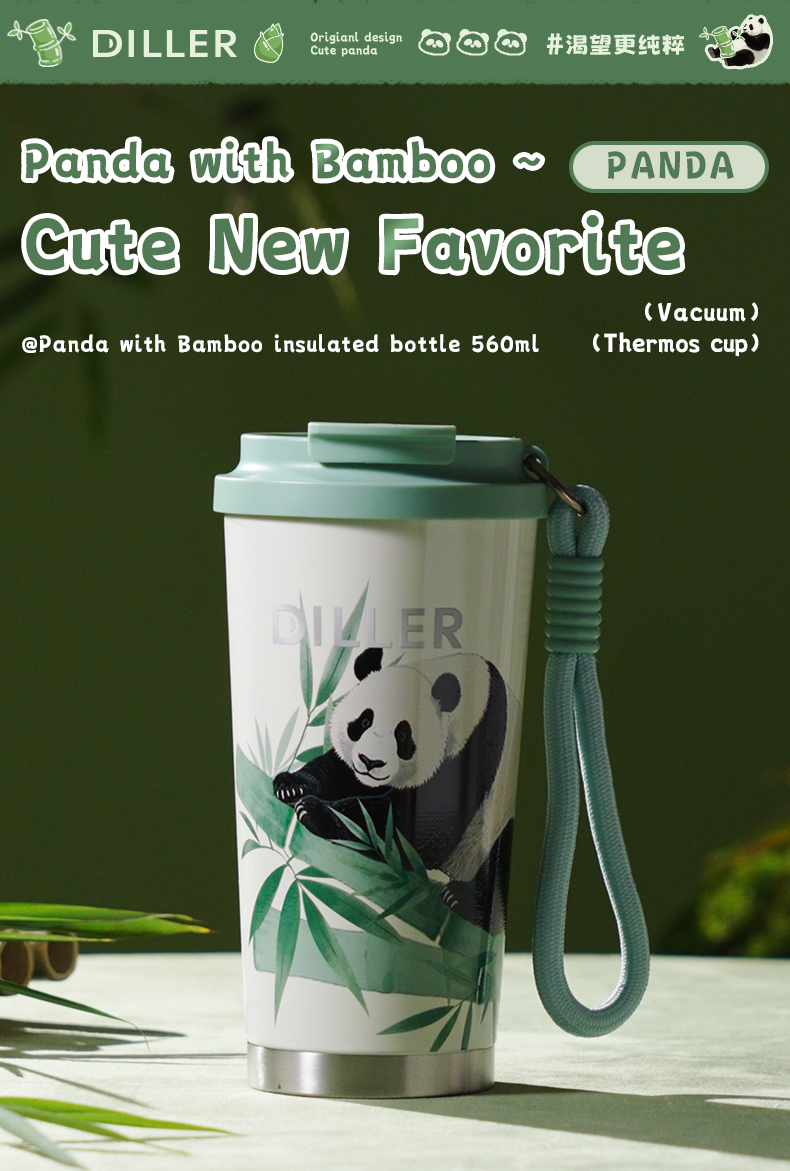
水筒サンプル承認の重要なポイント
- 異なるサンプルタイプは異なる質問に答えます。.
- 最終的な参照は、管理された仕様書とアートワークファイルにリンクされている必要があります。.
- 色、ロゴ、外観の承認は機能的な性能を証明するものではありません。.
- 承認されたすべての逸脱は文書化されなければなりません。.
- 署名されたサンプルは、バイヤーと製造業者の両方を後のあいまいさから保護します。.
生産前水筒サンプルとは何ですか?
量産開始前に、意図した材料、部品、工具、装飾、組み立てが買い手の承認済み仕様を満たせることを確認するために使用される物理的な参照です。. 最終製品に可能な限り近いものであるべきですが、バイヤーは依然としてあらゆる違いを文書化する必要があります。.
ただし、デジタルレンダリング、在庫サンプル、ロゴサンプル、および生産前サンプルは交換可能ではありません。まず、レンダリングは視覚的な方向性を確認します。次に、在庫サンプルは既存のモデルを評価するのに役立ちます。一方、装飾されたサンプルは色とアートワークを確認します。最後に、生産前サンプルは生産構成を確認する必要があります。.
レビュー前にサンプルの段階を特定する
| サンプルタイプ | 主な目的 | 証明しないこと |
|---|---|---|
| 在庫サンプル | 一般的な形状、容量およびユーザーエクスペリエンス | 最終色、ロゴ、材料ロットまたは包装 |
| 色/仕上げサンプル | コーティング方向、パントーン目標値および光沢 | 最終組み立てまたは熱性能 |
| ロゴサンプル | アートワークのサイズ、位置および装飾方法 | 製品全体の適合性 |
| プロトタイプ | 新しい構造、人間工学、またはメカニズム | 大量生産の一貫性 |
| Pre-production sample | 最終生産参照 | ロット内のすべてのユニットの自動受け入れ |
| 生産トップサンプル | 実際の生産ラインからの早期確認 | 完全な出荷受け入れ |
1. サンプルの同一性と文書管理を確認する
サンプルには、バイヤー、サプライヤー、プロジェクト名、SKU、図面リビジョン、アートワークリビジョン、色コード、日付、サンプル段階をラベル付けしてください。メールの件名やラベルのない宅配便の小包に頼ることは避けてください。2つのサンプルが似ている場合、バージョンエラーにより誤った製品がリリースされる可能性があります。.
承認フォームには以下を参照する必要があります:
- 購入仕様書の改訂;;
- 技術図面リビジョン;;
- アートワークおよび包装ファイルの改訂;
- 材料および部品リスト;
- テスト要件;
- 承認された逸脱事項と未解決項目。.
2. すべての食品接触部品を確認する
本体、ライナー、蓋、ストロー、バルブ、ガスケット、および内部コーティングに使用される材料をリストアップします。単一のボトルには、異なる規制要件を持つ複数の材料が含まれる場合があります。米国FDAは、完全な食品接触材料の規制ステータスは、製品を構成する各物質によって決定されると指摘しています。.
欧州市場では、食品接触材料に関する適用可能な枠組みと材料固有の規則を確認してください。例えば、欧州委員会規則(EU)No 10/2011は、食品と接触することを意図したプラスチック材料および製品に対応しています。したがって、一般的な「FDA承認済み」ラベルを受け入れるのではなく、実際の部品を文書に関連付けます。.
3. 容量、寸法、重量を測定する
記載された容量とその定義方法を確認します。名目上のマーケティング容量と満杯容量は常に同じではありません。全高、直径、口部開口、重量、およびカップホルダー、棚、アクセサリー、または包装に影響を与える寸法を測定します。.
新しい金型または構造変更をレビューする際は、部品間の適合性を確認してください。さらに、蓋のネジ、ストロー、バルブ、シリコンシール、ハンドルが過度の力や緩みなく連携することを確認してください。.
4. Approve colour and surface finish
Review colour under controlled lighting and compare it with the agreed master standard. Pantone references help communication, but the final approval should consider the actual substrate, coating process, gloss and texture. A colour applied to stainless steel may not appear identical to the same reference on plastic or printed paper.
Record acceptable variation rather than expecting an undefined “exact match.” Check:
- colour and gradient direction;
- matte, gloss or texture level;
- coverage around shoulders, base and threads;
- dust, pinholes, orange peel, runs or contamination;
- surface feel and resistance to ordinary handling.
5. Verify logo and artwork
Measure the logo size and its position relative to stable product landmarks. Confirm orientation when the lid is closed and when the bottle faces the customer on a shelf. Inspect small text, lines, registration, colour, edges and readability.
With full-wrap graphics, confirm the seam or overlap area. By contrast, laser engraving requires a check of contrast and depth. For embossing or moulded branding, review the geometry and its effect on cleaning or assembly.
The World Intellectual Property Organization explains that industrial design protection concerns the ornamental or aesthetic appearance of a product, including shape, patterns, lines and colour. Buyers developing original appearances should discuss ownership, confidentiality and protection before public release; this article is not legal advice.
6. Test lid operation and leakage
Use a written test rather than casually shaking the sample. Define fill volume, liquid temperature, lid closure, orientation, duration and acceptance result. Test every intended drinking path: direct opening, straw, valve, flip lid or removable cup.
In addition, review:
- one-handed operation where claimed;
- thread engagement and cross-thread risk;
- gasket position and removability;
- locking mechanism and accidental opening;
- 流量と通気;
- cleaning access and trapped-liquid areas.
7. Verify thermal performance where applicable
For vacuum insulated products, define a repeatable method: starting liquid temperature, fill volume, ambient temperature, duration, closure condition and measurement point. A statement such as “keeps hot for 12 hours” cannot be approved reliably without those conditions.
Record the result and test instrument. If the first sample is tested under one method and production under another, the results cannot be compared fairly.
8. Review usability and target-market fit
A technically conforming product can still be wrong for the intended customer. Test grip, balance, weight, mouth comfort, drinking flow, cleaning, carrying and fit with bags, cup holders or bicycle cages where relevant.
For children’s products, review age suitability, small parts, operation force and market-specific safety requirements with qualified specialists. Meanwhile, corporate gifts require a check of presentation and usable logo area. Finally, retail programmes should consider shelf impact and variant clarity.
9. Approve packaging as part of the product
Next, check the unit box, protective materials, accessories, manual, warning text, barcode, label, carton quantity and shipping marks. Then, scan the barcode. Finally, confirm that the product does not move or rub against accessories during transport.
If the final printed box is not ready, mark packaging as an open item. Do not let “sample approved” accidentally release unapproved artwork.
10. Record the approval decision
Use one of four clear outcomes:
- Approved: the sample may be used as the production reference.
- Approved with documented deviations: listed differences are accepted and controlled.
- Conditional approval: production cannot start until specified evidence is supplied.
- Rejected: a revised sample is required.
State what the approval releases: tooling, component purchase, pilot run or mass production. Retain photographs and, where practical, sealed reference samples with both parties.
Printable water bottle sample approval checklist
- ☐ Project, SKU and revision correctly labelled
- ☐ Material list matches intended product
- ☐ Capacity, dimensions and weight verified
- ☐ Colour and finish approved
- ☐ Logo size, position and method approved
- ☐ Lid, straw, handle and accessories operate correctly
- ☐ Leakage test passed under the agreed method
- ☐ Thermal test passed where applicable
- ☐ Cleaning and user experience reviewed
- ☐ Packaging, labels and barcode approved
- ☐ Compliance documents mapped to components
- ☐ Deviations and open items recorded
- ☐ Approval scope and production release signed
よくある質問
Can a stock sample be used as the production reference?
Only if the order uses the same confirmed materials, components, colour, decoration and packaging. Otherwise, the stock sample should be treated as a limited reference. The approval record must identify what it represents and what remains unapproved.
Who should approve a custom bottle sample?
The approver should have authority over product, brand and commercial requirements. Technical or compliance specialists should review relevant sections. A sales contact alone should not approve safety, regulatory or engineering matters outside their responsibility.
Should the buyer destroy rejected samples?
Retaining a clearly marked rejected sample can help explain the defect and prevent repetition. Control it carefully so it cannot be confused with the approved reference. Photograph the difference and identify the rejection reason.
Does sample approval guarantee mass-production quality?
No. It establishes the target. Therefore, the manufacturer and buyer must still use production controls, top-of-production checks and pre-shipment inspection to verify that the bulk lot matches the approved reference and specification.
Approve the reference before approving the order
A disciplined water bottle sample approval checklist reduces misunderstandings before they multiply across a bulk order. The objective is not to create paperwork for its own sake; it is to make design, quality and production decisions visible to everyone responsible for the project.
Browse Diller’s drinkware collections, learn about our custom water bottle processあるいは send a product brief to discuss the appropriate sample path for your programme.