
คำตอบสั้น ๆ: การจัดหาขายส่งแก้วกันความร้อนเคลือบเซรามิกต้องการให้ผู้ซื้อตรวจสอบว่าชั้น “เซรามิก” จริง ๆ แล้วคืออะไร วัสดุใดอยู่ข้างใต้ การเคลือบครอบคลุมพื้นที่สัมผัสเครื่องดื่มทั้งหมดหรือไม่ และการยึดเกาะ รูปลักษณ์ กลิ่น การรั่วไหล และประสิทธิภาพความร้อนได้รับการทดสอบอย่างไร ขวดสแตนเลสเคลือบเซรามิกไม่ใช่ผลิตภัณฑ์เดียวกันกับแก้วเซรามิกแข็ง ดังนั้นข้อกำหนดและการอ้างอิงต้องแม่นยำ.
คู่มือนี้เขียนขึ้นสำหรับผู้จัดจำหน่าย ผู้นำเข้า แบรนด์ที่ใช้ตราสินค้าของตัวเอง และผู้ซื้อองค์กรที่กำลังประเมินขวดและแก้วกันความร้อนที่เคลือบเซรามิก อธิบายถึงโครงสร้างผลิตภัณฑ์ ประโยชน์ การแลกเปลี่ยน และคำถามในการอนุมัติ โดยไม่มีการอ้างอิงด้านสุขภาพหรือรสชาติที่ไม่มีหลักฐานรองรับ.
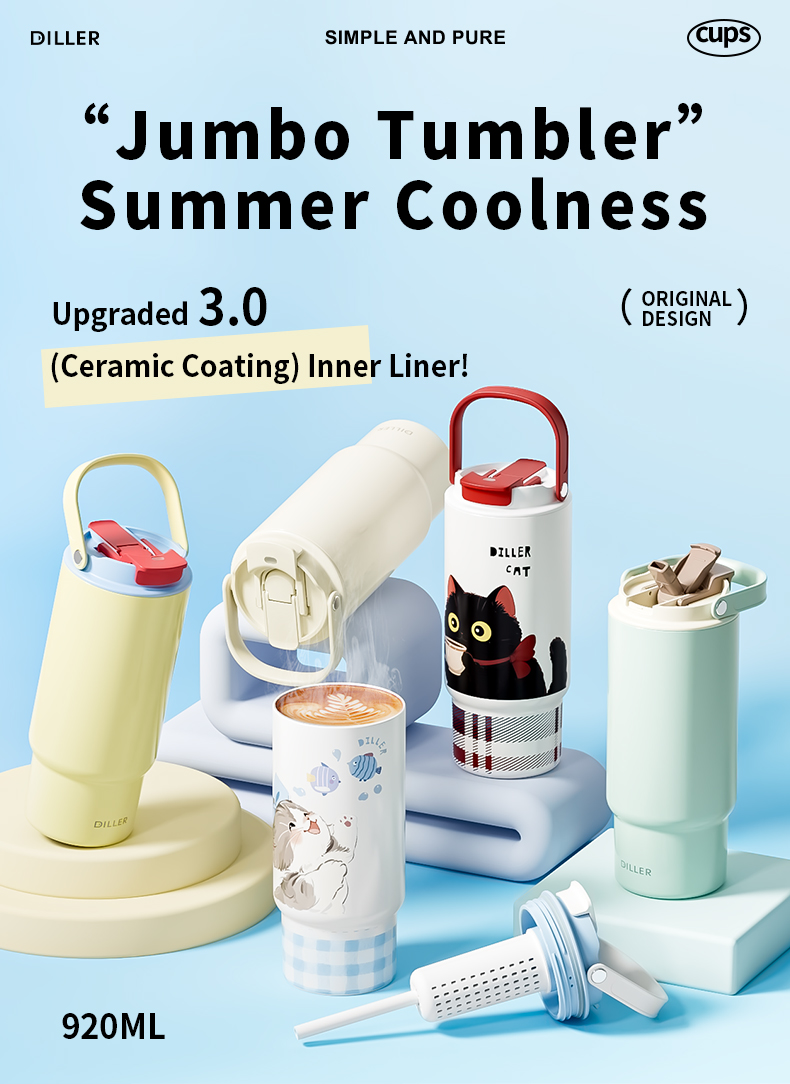
ประเด็นสำคัญในการซื้อขายส่งแก้วกันความร้อนเคลือบเซรามิก
- ยืนยันว่าผลิตภัณฑ์ใช้สารเคลือบเซรามิกบนโลหะหรือตัวบุแยกต่างหาก.
- ขอข้อมูลเกรดสแตนเลส ระบบเคลือบ และเอกสารการสัมผัสอาหารระดับส่วนประกอบ.
- ตรวจสอบขอบ รัศมีฐาน และพื้นที่เปลี่ยนผ่านเพื่อให้การเคลือบสมบูรณ์และสม่ำเสมอ.
- อนุมัติสี, ความเงา, พื้นผิวพื้นผิว, วิธีการทำความสะอาด และขีดจำกัดการมองเห็นที่อนุญาต.
- ทดสอบขวดทั้งหมดเพื่อการรั่วไหล ประสิทธิภาพความร้อน และความทนทานของเคลือบ.
แก้วเก็บอุณหภูมิเคลือบเซรามิกคืออะไร?
แก้วเก็บอุณหภูมิเคลือบเซรามิกมักประกอบด้วยตัวโครงโลหะฉนวนสุญญากาศกับชั้นเคลือบเซรามิกหรือคล้ายเซรามิกที่ใช้กับพื้นผิวสัมผัสเครื่องดื่มด้านใน. โครงสร้างโลหะให้ความแข็งแรงและโครงสร้างฉนวน ในขณะที่พื้นผิวด้านในมีลักษณะทางสายตาและสัมผัสที่แตกต่างจากสแตนเลสเปลือย.
คำศัพท์แตกต่างกันไปตามผู้จัดจำหน่าย ดังนั้น ข้อกำหนดควรระบุว่าด้านในเป็นสแตนเลสเคลือบ แทรกแยกต่างหาก หรือโครงสร้างอื่น นอกจากนี้ควรระบุผู้ผลิตหรือระบบเคลือบที่มีอยู่ ขอบเขตการใช้งาน กระบวนการบ่ม และเงื่อนไขการใช้งานที่ตั้งใจไว้.
เปรียบเทียบภายในที่เคลือบเซรามิกและสแตนเลส
| ปัจจัยการตัดสินใจ | ภายในเคลือบเซรามิก | ภายในสเตนเลสเปลือย |
|---|---|---|
| ลักษณะพื้นผิว | สามารถให้พื้นผิวสัมผัสที่เบา สี หรือแตกต่างได้ | ลักษณะโลหะ |
| การวางตำแหน่งผลิตภัณฑ์ | เรื่องราคาพรีเมียมหรือผู้เชี่ยวชาญที่โดดเด่น | โครงสร้างที่คุ้นเคยและตลาดกว้าง |
| จุดเน้นการตรวจสอบ | ความครอบคลุม การยึดเกาะ รูเข็ม รอยบิ่น และความสม่ำเสมอของสี | เกรดเหล็ก, ผิวสำเร็จ, พื้นที่เชื่อม และความสะอาด |
| คำแนะนำการใช้ | อาจต้องมีคำแนะนำการดูแลเฉพาะสำหรับสารเคลือบ | ขึ้นอยู่กับผิวสำเร็จของเหล็กและผลิตภัณฑ์สมบูรณ์ |
| หลักฐานการปฏิบัติตาม | โลหะฐานบวกกับสารเคลือบและชิ้นส่วนสัมผัสอื่น ๆ ทั้งหมด | เหล็กบวกฝา, แกสเก็ต, หลอด และชิ้นส่วนสัมผัสอื่น |
พื้นผิวเซรามิกไม่ได้ขจัดความจำเป็นในการระบุโลหะที่อยู่ข้างใต้ เช่นเดียวกับการอธิบายสแตนเลสสตีลไม่ได้พิสูจน์การปฏิบัติตามของสารเคลือบ ฝา ซีล หรือหลอด ผู้ซื้อต้องประเมินระบบวัสดุทั้งหมด.
ดังนั้น การเสนอราคาขายส่งแก้วเก็บอุณหภูมิเคลือบเซรามิกควรระบุทั้งโครงสร้างพื้นฐานและพื้นผิวสัมผัสเครื่องดื่มที่ใช้.
ตัดสินใจว่าประเภทนี้เหมาะกับตลาดหรือไม่
เครื่องดื่มฉนวนเคลือบเซรามิกสามารถรองรับช่วงพรีเมียมได้เมื่อผู้จัดจำหน่ายมีเรื่องราวลูกค้าและผลิตภัณฑ์ที่ชัดเจน อาจเหมาะสำหรับกาแฟในออฟฟิศ ชา ของขวัญ หรือคอลเลกชันเครื่องดื่มที่เน้นการออกแบบ อย่างไรก็ตาม ไม่ควรเพิ่มเพียงเพราะพื้นผิวใหม่.
ทดสอบว่าผู้ซื้อเข้าใจความแตกต่าง, ยอมรับคำแนะนำการดูแล และเห็นคุณค่าของการออกแบบหรือไม่ นอกจากนี้ เปรียบเทียบสินค้ากับผลิตภัณฑ์สเตนเลสที่มีอยู่เพื่อให้เพิ่มบทบาทช่วงที่โดดเด่นแทนการทำซ้ำความสามารถและฟังก์ชันฝา.
ตรวจสอบคุณภาพและการปฏิบัติตามของชั้นเคลือบเซรามิก
การปฏิบัติตามข้อกำหนดการสัมผัสอาหารขึ้นอยู่กับวัสดุที่แน่นอนและการใช้งานที่ตั้งใจไว้ องค์การอาหารและยาของสหรัฐอธิบายว่าการอนุญาตและการประเมินความปลอดภัยขึ้นอยู่กับสารสัมผัสอาหารและเงื่อนไขการใช้งาน ในสหภาพยุโรป ระเบียบข้อบังคับ (EC) ฉบับที่ 1935/2004 ให้กรอบทั่วไปสำหรับวัสดุและสิ่งของที่ตั้งใจให้สัมผัสอาหาร.
ขอเอกสารที่ตรงกับระบบเคลือบ, สี, วัสดุฐาน และสภาพเครื่องดื่มที่ต้องการ รายงานสำหรับผลิตภัณฑ์อื่น, สีอื่น หรือการเคลือบที่ไม่ระบุอาจไม่สามารถพิสูจน์สินค้าที่สั่งได้.
สำหรับโครงการขายส่งแก้วเก็บอุณหภูมิเคลือบเซรามิก ไฟล์การปฏิบัติตามควรตามตัวอย่างที่แน่นอนที่อนุมัติสำหรับการผลิตจำนวนมาก.
- เอกลักษณ์ของสารเคลือบและขอบเขตการใช้งาน;
- เกรดโลหะใต้ชั้นเคลือบ;
- ฝา ซีล หลอด และวัสดุอุปกรณ์เสริม;
- applicable market and referenced regulation;
- test conditions, simulants, temperature and duration where relevant;
- laboratory, report date, model and sample description;
- care instructions and use limitations.
Inspect high-risk coating areas
Flat visual areas may look acceptable while edges and transitions reveal process variation. Examine the rim, shoulder, bottom radius, weld-related areas and any place where coating thickness changes. Use stable lighting and rotate the sample to identify pinholes, particles, uneven gloss or incomplete coverage.
Define visual defect limits before production. A tiny colour variation, a pinhole and an exposed metal area are not equivalent risks. The inspection plan should classify defects according to safety, function and customer perception.
Approve a ceramic-coated bottle sample
The approved sample should represent the intended steel, coating, colour, lid, gasket, decoration and packaging. Review both dry appearance and the surface after the agreed cleaning and use simulation. Moreover, confirm that the sample remains free from leakage and meets the written thermal target.
| Approval area | What to record | วิธีการตรวจสอบ |
|---|---|---|
| Interior surface | Colour, gloss, texture and coverage | Approved sample and visual standard |
| Adhesion | Agreed method and acceptance limit | Product-specific test procedure |
| Odour | Conditioning, liquid and evaluation time | Controlled sensory check |
| Leakage | Fill level, orientation and duration | Written functional test |
| Thermal performance | Start temperature, time and environment | Recorded measurement method |
| Cleaning | Permitted method and cycles | Care-instruction validation |
Do not invent a scratch or adhesion test after production. The buyer and supplier should agree on the method, equipment and acceptable result before releasing the purchase order.
Diller ceramic-coated insulated bottle example
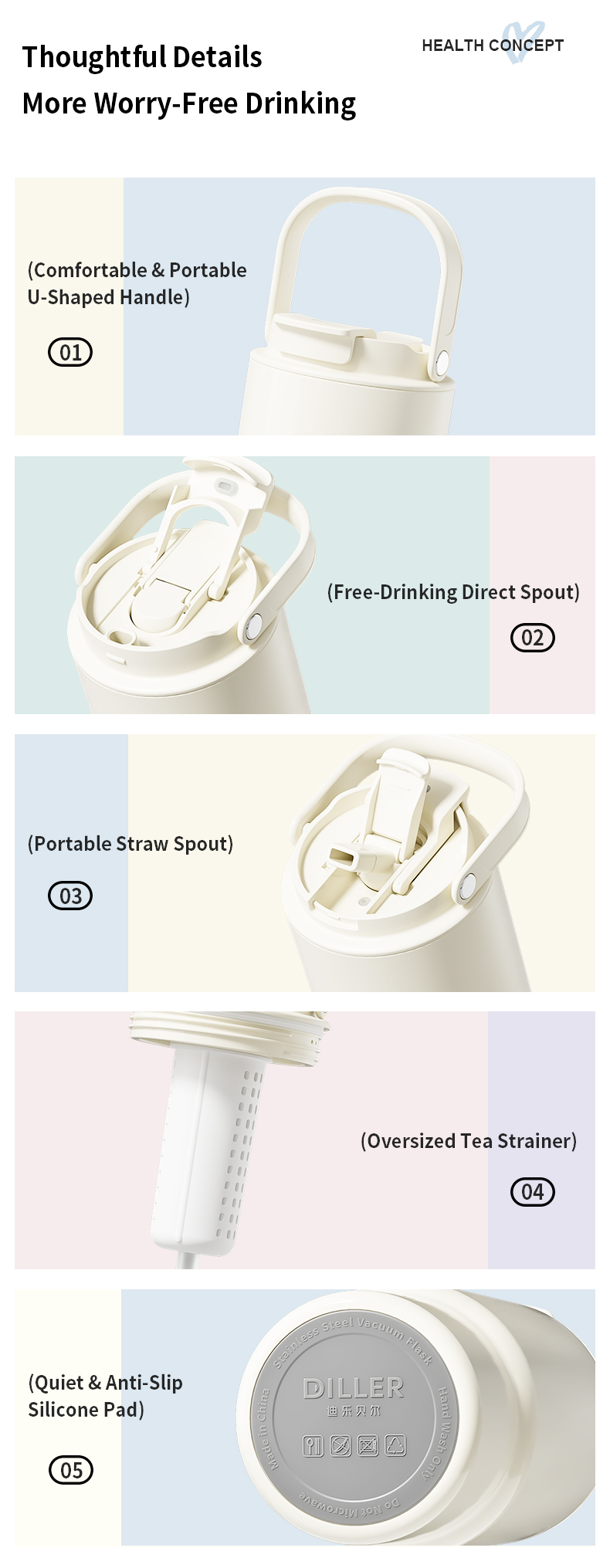
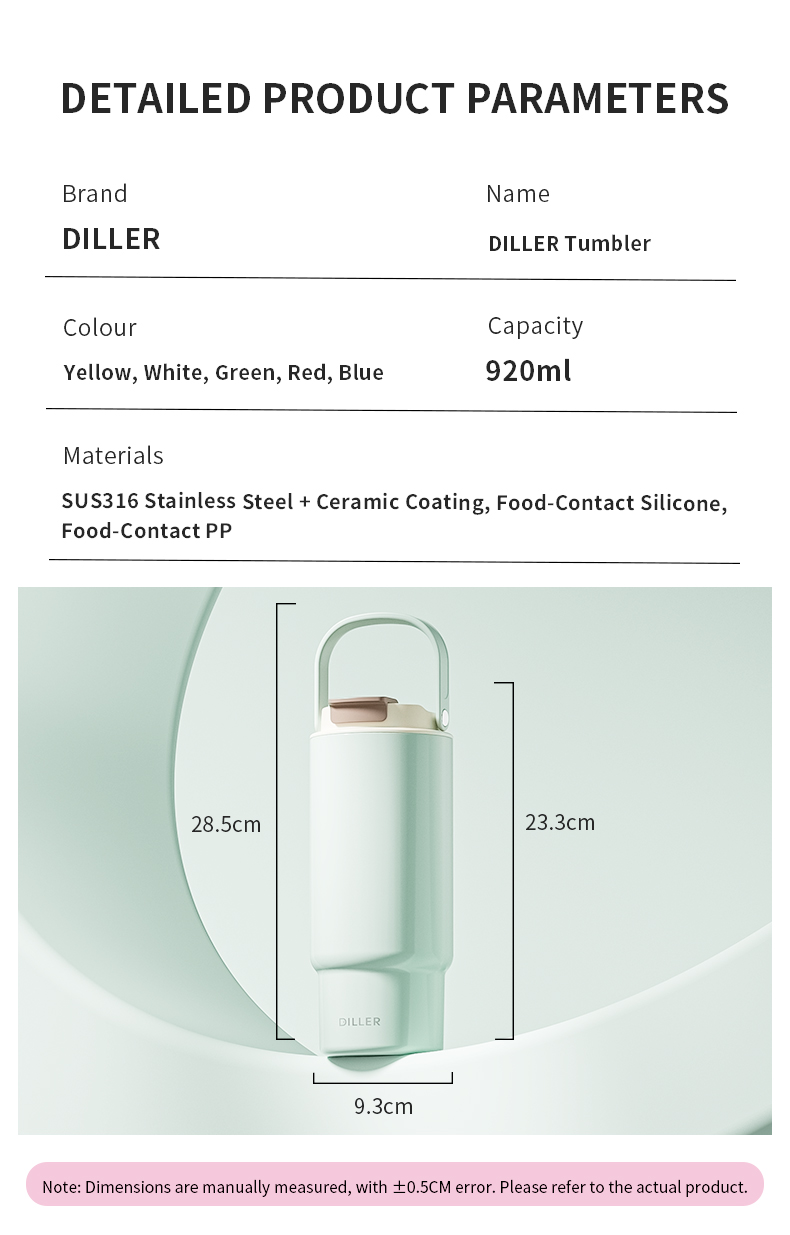
Diller’s D9384-920 is a 920 ml insulated bottle described with a 316 stainless steel body and ceramic-coated beverage surface. Its tall body, carry handle and coordinated colours can support a premium hydration range. Buyers should confirm the current specification, coating details, colour availability, MOQ and applicable reports for the proposed order.
The example illustrates Diller’s innovation-led approach: use an established insulated structure while creating a visibly different interior and product story. The value is not a claim that ceramic is automatically “healthier”; it is the combination of design, selected materials, quality control and market positioning.
Ceramic lined insulated tumbler wholesale checklist
Use this ceramic lined insulated tumbler wholesale checklist before approving a purchase order or production sample.
- ☐ Construction defined as coating, insert or solid liner
- ☐ Steel grade and coating system identified
- ☐ All beverage-contact components listed
- ☐ Market-specific food-contact documents reviewed
- ☐ Rim, radius and transition coverage inspected
- ☐ Appearance limits and defect catalogue approved
- ☐ Leakage and thermal methods written
- ☐ Coating adhesion or durability method agreed
- ☐ Cleaning instructions validated
- ☐ Bulk inspection compares goods with the signed sample
คำถามที่พบบ่อย
Is a ceramic lined insulated tumbler made entirely from ceramic?
Usually not. Many products use a ceramic coating on the inner surface of a metal vacuum-insulated body. Buyers should request a cross-section or material specification because suppliers may use “ceramic lined” and “ceramic coated” differently.
Does ceramic coating change thermal performance?
Thermal performance depends mainly on the complete bottle construction, including vacuum quality, geometry, lid and test conditions. Do not infer a result from the coating name. Approve a written thermal target and test the finished product.
What documents should wholesale buyers request?
Request component-level material information, coating identification, applicable food-contact reports, test conditions, model and colour coverage, plus product specifications and care instructions. Requirements depend on the destination market and intended use.
Can a ceramic-coated bottle be customised?
Often yes. Options may include exterior colour, logo, packaging and selected components. The interior coating itself may have separate technical and MOQ limits. Confirm each change with the exact SKU before assuming availability.
Specify the complete material system
Ceramic lined insulated tumbler wholesale sourcing should begin with precise construction, not a broad material claim. Verify the coating, substrate, contact components, test reports, sample appearance, care method and bulk inspection plan. When these controls are documented, the category can add real design and innovation value to a distributor’s product line.
View the D9384-920 ceramic-coated insulated bottle, compare Diller’s drinkware collection, ตรวจสอบ B2B quality checklist, หรือ request ceramic-coated product information.