
Trả lời nhanh: An OEM water bottle quality agreement should define the approved product version, materials, dimensions, appearance, function, test methods, defect classification, sampling plan, packaging, traceability and corrective-action process. It must be completed before mass production, not after a shipment fails inspection.
This framework helps brand owners, importers and distributors turn expectations into measurable acceptance criteria.
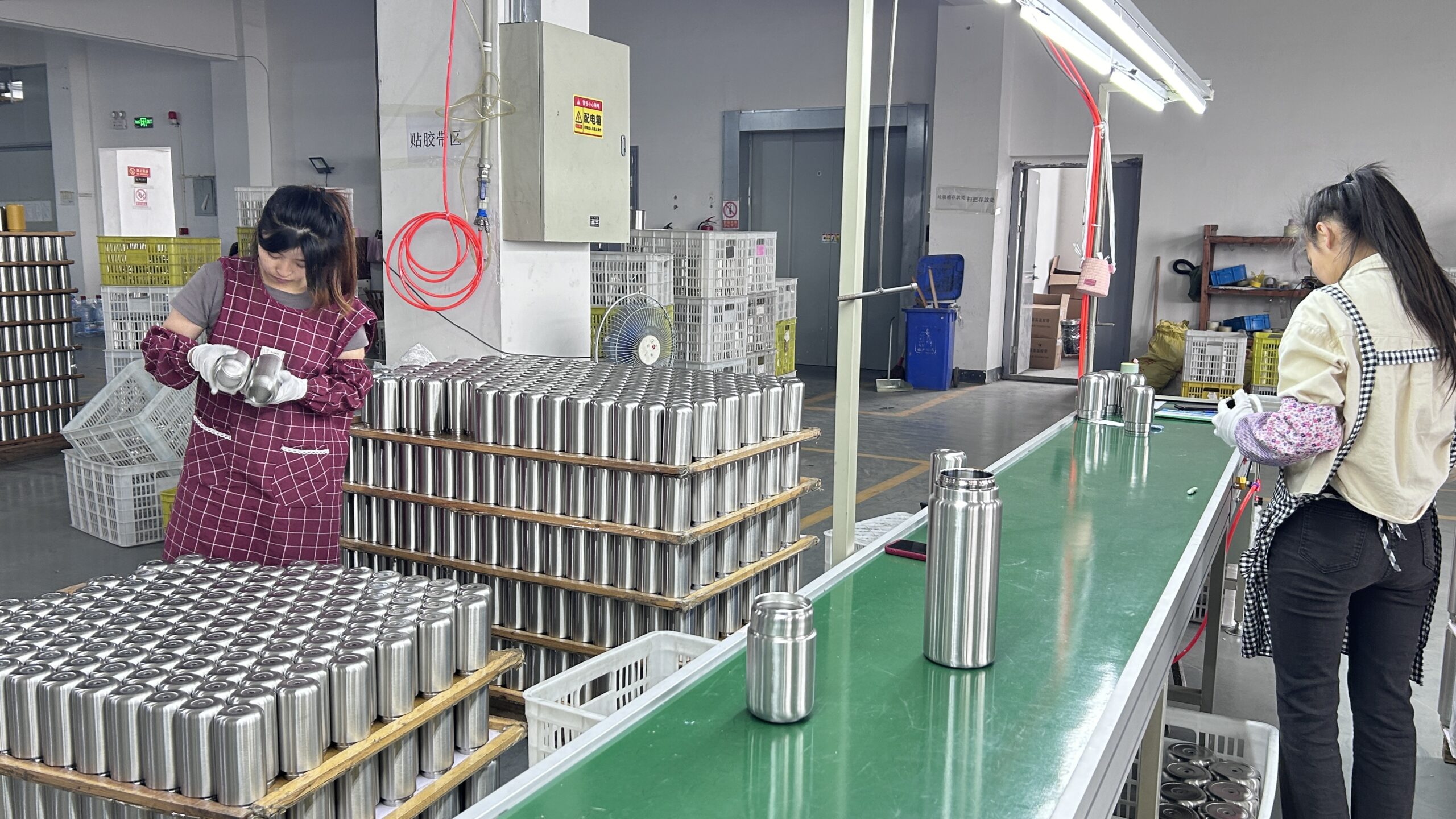
OEM water bottle quality agreement: key takeaways
- Attach the current specification and approved sample.
- Define critical, major and minor defects.
- Specify test conditions, not only pass or fail.
- Agree sampling and disposition before inspection.
- Track changes and corrective actions by batch.
Identify the controlled product
Record project, SKU, drawing, bill of materials, approved sample, artwork and packaging revisions. If a component changes, document whether retesting or a new approval is required. This prevents a result from being applied to the wrong version.
Define measurable requirements
| Khu vực | Example requirement type | Bằng chứng |
|---|---|---|
| Vật liệu | Specified liner, shell, plastics and gasket | Supplier and test records |
| Kích thước | Capacity, height, diameter and fit | Drawing and measurement |
| Chức năng | Leakage, lid operation and flow | Written test method |
| Thermal | Temperature change under defined conditions | Time-stamped test record |
| Ngoại hình | Colour, coating and decoration tolerance | Approved sample |
| Packaging | Correct parts, labels and protection | Packing inspection |
Classify defects by risk
A critical defect may create a safety or regulatory risk. A major defect can make the product unusable or materially different from the approved specification. A minor defect affects appearance or workmanship without preventing normal use. Create product-specific examples instead of relying only on general definitions.
For an insulated bottle, wrong material, sharp edge or serious leakage may require stricter treatment than a small cosmetic variation. The parties should agree classifications before the inspector finds them.
Select an inspection plan
ISO 2859-1:2026 provides acceptance sampling schemes indexed by acceptance quality limit for lot-by-lot inspection. The buyer should choose an appropriate plan, inspection level and AQL with competent quality support. An AQL is not permission to manufacture known defects; it is a sampling decision framework.
Some characteristics may need 100% control or separate testing. Record how a failed lot will be sorted, reworked, reinspected or rejected.
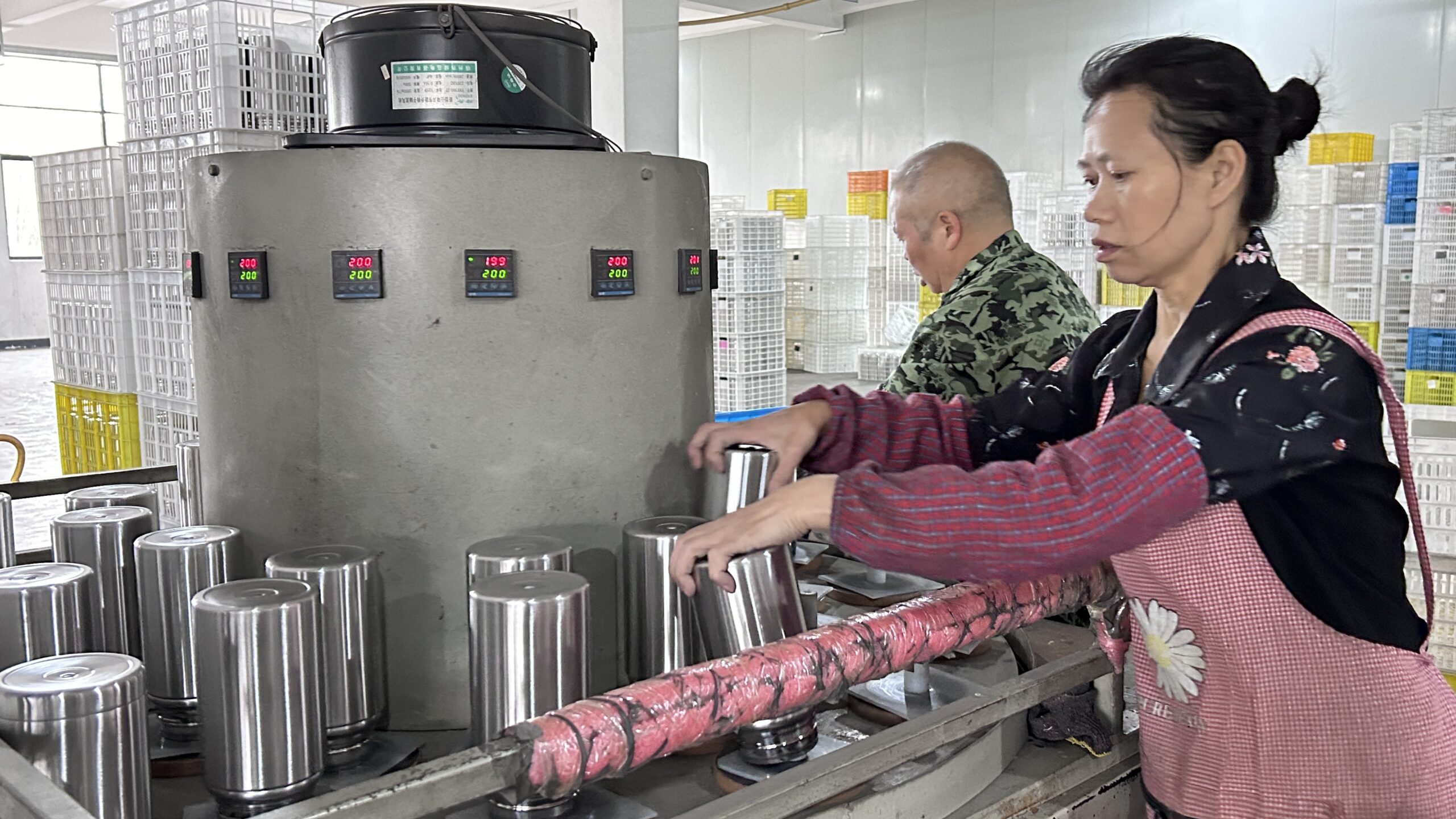
Connect claims and corrective action
Define what evidence the buyer will provide for post-delivery claims, such as photos, video, lot number and sample return. The supplier should investigate cause, affected scope and containment, then document corrective and preventive action where appropriate.
How Diller applies quality controls
Diller’s factory and supply-chain model can connect sample approval, incoming materials, production checks, functional testing, packaging and final inspection. The exact plan should match the selected product and market. Diller does not rely on lowest price as the main advantage; quality consistency is part of the brand proposition.
Define change control and lot disposition
The agreement should require notice before changing a material source, component geometry, coating, decoration, packaging or manufacturing process that can affect the approved product. The buyer and Diller can then decide whether documents, samples or tests must be renewed.
Also define what happens when inspection fails. Options may include investigation, segregation, 100% sorting, rework, replacement, additional testing or rejection. The responsible party, evidence and approval route should be clear. Rework must not create a new appearance, performance or food-contact risk.
After correction, record the root cause and preventive action. Repeated issues should trigger tighter controls or process review rather than repeated sorting alone. This turns the quality agreement into a continuous working document instead of a file used only during disputes.
Câu hỏi thường gặp
Is AQL the same as a defect allowance?
No. AQL indexes a sampling plan and acceptance decision. It should not be interpreted as a target percentage of known defective products.
Can the approved sample replace a written specification?
No. A sample is valuable for appearance and feel, but hidden materials, test conditions and tolerances still need written records.
Who decides whether a defect is major?
The buyer and supplier should agree product-specific defect classifications before production. Safety, function, customer expectations and market rules all influence the decision.
Agree quality before producing quantity
An OEM water bottle quality agreement gives engineering, factory, inspector and buyer one reference. It protects brand value by making acceptance, change and corrective action predictable.
Read Diller’s quality control checklist, xem xét kiểm tra trước khi giao hàng, hoặc discuss a quality plan.