
Quick answer: Custom water bottle lead time is the complete period from a confirmed brief to approved samples, material preparation, mass production, inspection and shipment readiness. It cannot be estimated accurately from quantity alone. Buyers should request a dated milestone plan for the exact SKU, logo, colour, packaging and destination, then separate factory completion from international transit.
This guide helps importers, distributors, private-label brands and corporate buyers build a realistic custom drinkware schedule. It avoids universal day-count promises because decoration, tooling, materials, approvals and shipping routes create different critical paths.

Custom water bottle lead time key takeaways
- Separate product development, sample approval, production, inspection and shipping time.
- A logo on an existing SKU has a different critical path from new tooling or structural development.
- The clock should start only after artwork, specification, payment and approvals are complete.
- Buyer response time can delay a project as much as factory work.
- Use milestone dates and change control instead of one unsupported delivery promise.
What does custom water bottle lead time include?
Custom water bottle lead time includes every activity required to turn an approved product brief into inspected goods ready for the agreed handover point. Depending on the project, this may include engineering review, artwork, colour matching, sample making, tooling, material purchasing, forming, assembly, coating, decoration, packaging and final inspection.
International transit is a separate planning layer. “Ready to ship”, “departed port” and “delivered to warehouse” are not the same milestone. Therefore, the purchase order should state the applicable Incoterm, named place and required date.
What affects a custom water bottle production timeline?
| Schedule driver | Why it matters | Buyer action |
|---|---|---|
| Base product | Existing SKU, modified component and new structure require different work | Define what stays standard |
| Artwork | Incomplete files stop mock-up and decoration preparation | Supply approved vector files |
| Colour and finish | Matching, coating trials and component colour may require samples | Provide physical references and tolerance |
| Materials | Steel, plastic, silicone, coating and packaging have separate availability | Approve exact material scope |
| Tooling | New moulds require design, fabrication, trial and correction | Freeze drawings before tooling |
| Quality plan | Undefined tests create disputes near shipment | Agree acceptance criteria early |
| Quantity and mix | Multiple SKUs, colours and cartons add changeovers and allocation | Confirm final assortment |
| Destination | Documents, routing and customs differ by market | Confirm importer requirements |
Production capacity is only one variable. A factory may have available equipment, while the project still waits for approved artwork, custom colour, a lid component or packaging. For this reason, a responsible schedule lists dependencies instead of repeating a standard number of days.
As a result, custom water bottle lead time should be recalculated when the approved scope, assortment or destination changes.
Classify the project before requesting a date
Start by placing the order into the correct development category. A stock bottle, an existing model with a logo, a colour-customised model and a new mould should not share the same timeline assumption.
- Stock release: confirm inventory, condition, packaging and allocation;
- Decoration project: existing bottle plus approved logo process;
- Colour or packaging project: standard structure with custom finish or pack;
- Component modification: changed lid, handle, straw, gasket or accessory;
- New product development: new drawings, tooling, trials and validation.
This classification also improves quotation accuracy. It shows which elements require MOQ, sampling, tooling and separate approval.
Build a custom water bottle milestone plan
A milestone plan should identify the planned date, responsible party, required input and acceptance evidence for every critical stage. Do not allow an estimated delivery date to hide missing approvals.
- Brief confirmed: SKU, capacity, materials, colours, logo, packaging, quantity and destination recorded.
- Technical review complete: manufacturability, tolerances, custom scope and risks agreed.
- Artwork and drawings approved: version-controlled files released.
- Sample approved: approval scope and any deviations documented.
- Materials released: component, coating, decoration and packaging inputs confirmed.
- Mass production started: approved references available to production and quality teams.
- Inspection complete: quantity, appearance, function and packaging accepted.
- Goods handed over: milestone defined by the contracted Incoterm and named place.
Control samples and buyer approval time
Sample time is not only the time required to make an object. It also includes shipping, buyer review, feedback, correction and re-approval. When several stakeholders review branding, compliance, packaging and function, assign one person to consolidate comments.
Approve each sample against a checklist. If a sample proves colour and logo but uses a temporary lid, record that boundary. Otherwise, different teams may assume that the complete product has been approved.
Buyer-side delays often appear after the supplier requests a file, colour decision or signed approval. Add response deadlines to the schedule and explain that late decisions move dependent milestones.
Manage changes after approval
A small visual request can create a large schedule effect if it arrives after materials, screens, packaging or tooling have been released. Use written change control after the specification freeze.
| Change request | Possible effect | Decision needed |
|---|---|---|
| Logo size or position | New mock-up, screen, fixture or sample | Approve revised artwork and date |
| Component colour | New material batch or component run | Confirm MOQ and colour sample |
| Packaging artwork | Printing and packing release delayed | Freeze barcode, claims and language |
| Material substitution | Compliance and functional review reopened | Approve documentation and validation |
| Quantity or assortment | Material, capacity and carton plan changed | Issue revised purchase order |
The supplier should state the cost and schedule impact before implementing the change. Similarly, the buyer should not rely on informal chat messages as the final specification.
Protect time for production and inspection
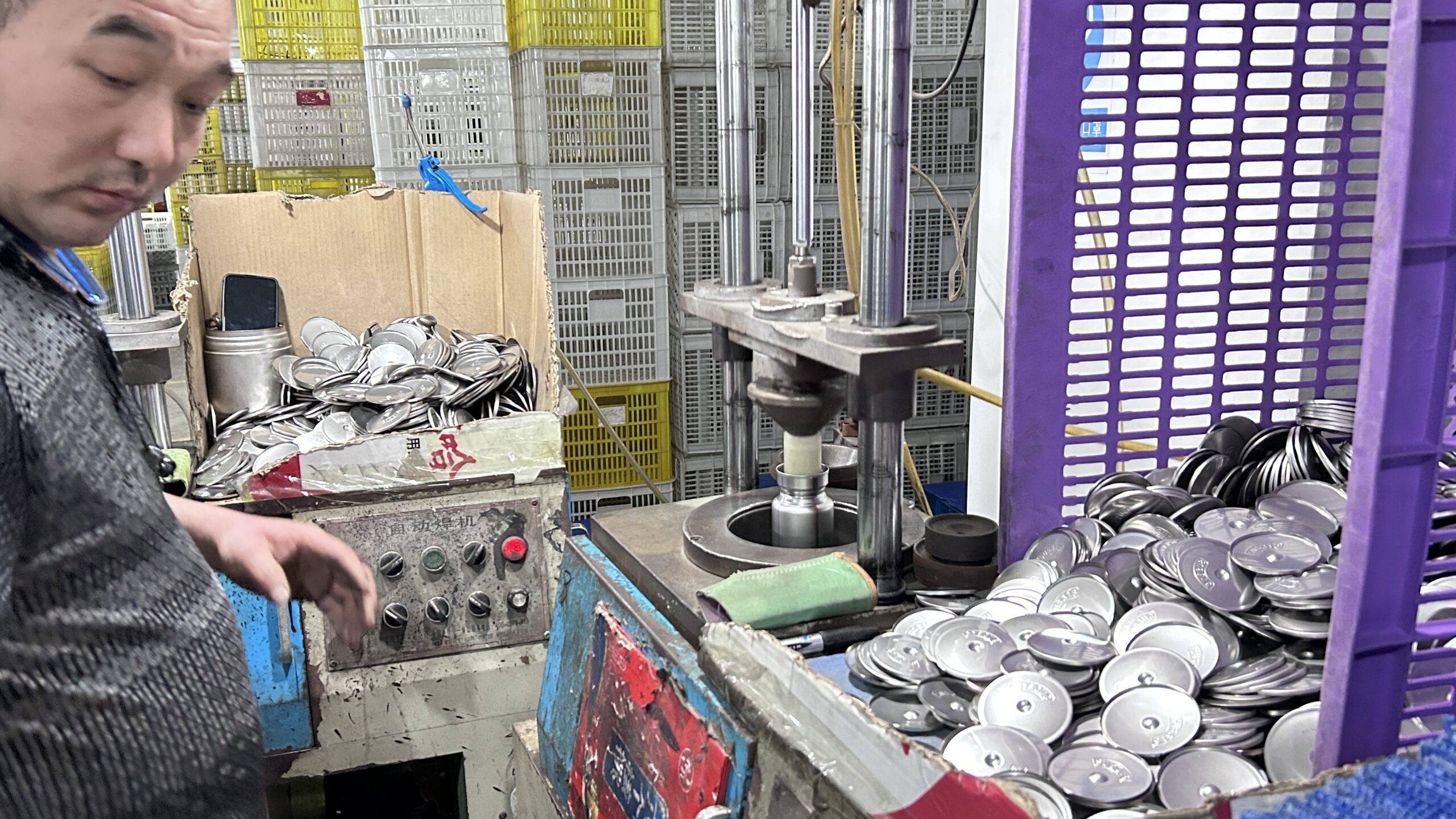
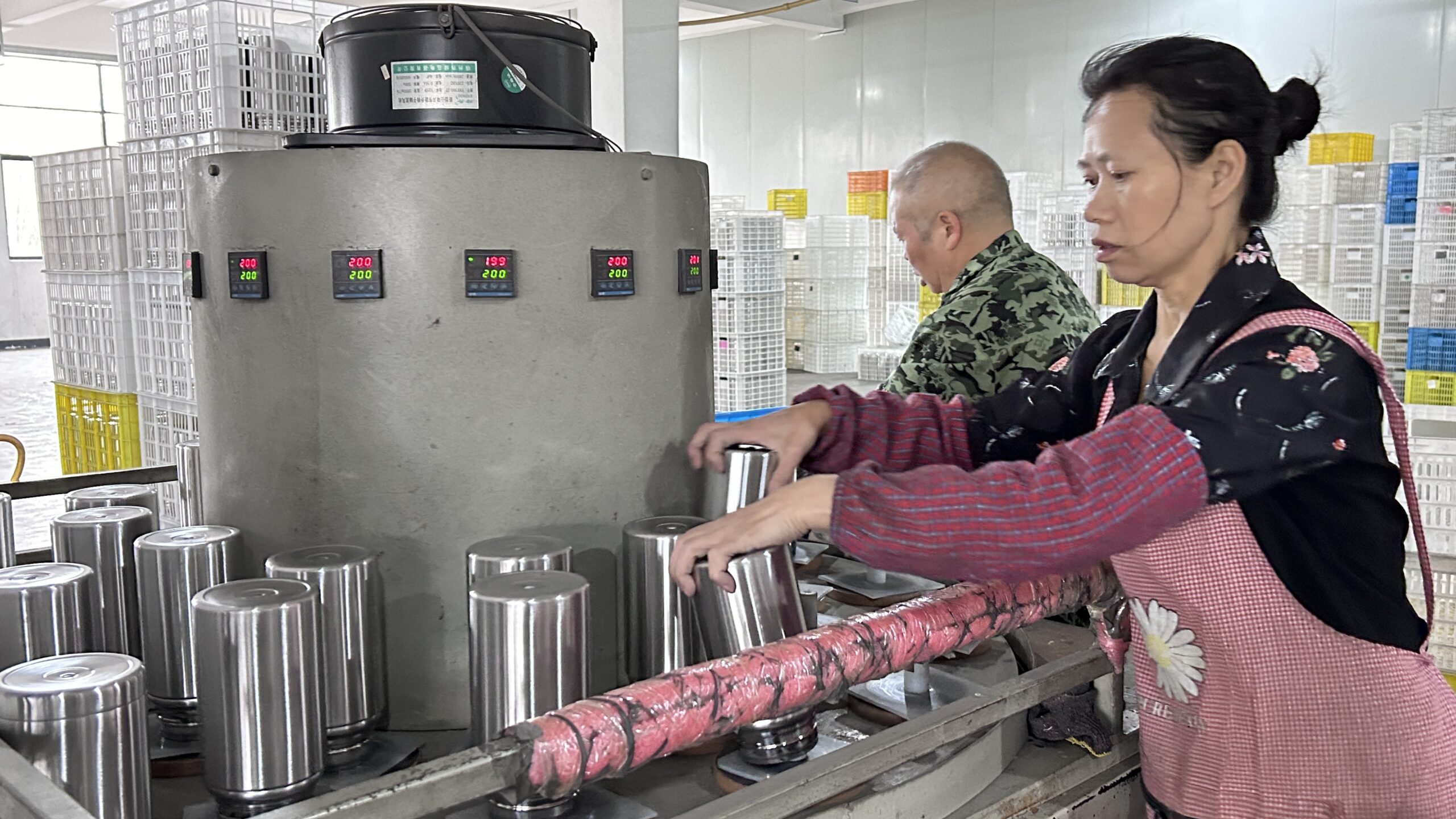
Once production begins, monitor the stages that carry the greatest quality risk. For insulated bottles, these may include forming, welding, vacuuming, surface preparation, coating, assembly and thermal testing. Decoration and packaging then add their own controls.
Do not schedule final inspection at the last possible shipping moment. If inspection finds a correctable issue, the team needs time for containment, rework, re-inspection and document updates. A rushed release transfers risk to the destination market.
Separate factory completion from shipping time
The factory completion date does not determine arrival by itself. Transport booking, origin handling, export documents, port operations, transhipment, destination clearance and inland delivery can all affect transit. The World Bank’s Logistics Performance Indicators track connectivity, speed and reliability because international supply chains vary across routes and countries.
Confirm who books transport, who provides each document and who carries risk at every stage. The International Chamber of Commerce Incoterms rules define commercial responsibilities, but they do not replace a route-specific freight quotation or import compliance review.
How Diller plans custom projects
Diller uses a brand + supply chain + factory model to connect product selection, design, sampling, manufacturing, quality control, packaging and global shipment coordination. Its overall company profile includes 16 years in the industry, more than 50,000 square metres of factory space, daily capacity above 10,000 pieces and product coverage across 60 countries.
These capabilities support project planning, but they do not create one guaranteed lead time for every product. Diller confirms the custom water bottle lead time after reviewing the exact SKU, quantity, artwork, materials, process, quality standard and destination.
Frequently asked questions
When does custom water bottle lead time start?
It should start from a defined release point, such as receipt of deposit plus final specification and artwork approval. If key inputs remain open, the date is only provisional. Write the start condition into the quotation or purchase order.
Does a larger quantity always take longer?
Not necessarily. Quantity affects capacity, but materials, colour mix, tooling, packaging and approvals may drive the critical path. A smaller highly customised order can require more development work than a larger repeat order.
Can ready-stock bottles shorten the schedule?
Yes, when the exact SKU, colour and quantity are available and acceptable. However, logo printing, relabelling, inspection, documentation and freight still require time. Stock must be confirmed and reserved for the order.
How can buyers reduce schedule risk?
Freeze the brief early, provide correct artwork, appoint one approver, set response deadlines, approve samples against a checklist, control changes and keep inspection separate from the final freight cut-off.
Manage the critical path, not one number
Custom water bottle lead time becomes more reliable when the buyer and supplier share a dated plan with clear dependencies. Classify the project correctly, freeze specifications, record approvals, protect inspection time and separate factory completion from transit. A transparent milestone plan is more useful than a fast quotation that cannot explain its assumptions.
Explore Diller’s custom water bottle process, review our product collection, use the sample approval guide, or request a project-specific schedule.