
Quick answer: Ready stock water bottles are the better route when a distributor needs faster market testing, smaller mixed purchases or immediate replenishment. A custom order is better when the buyer needs a specific logo, colour, packaging, material or structure. Many B2B programmes use both: stock products validate demand, while customised products build a more distinctive long-term range.
This comparison is written for agents, importers, wholesalers, online sellers and corporate buyers deciding how much product control they need before committing inventory. It focuses on commercial risk, quality approval and product-line strategy rather than assuming that one route is always cheaper.
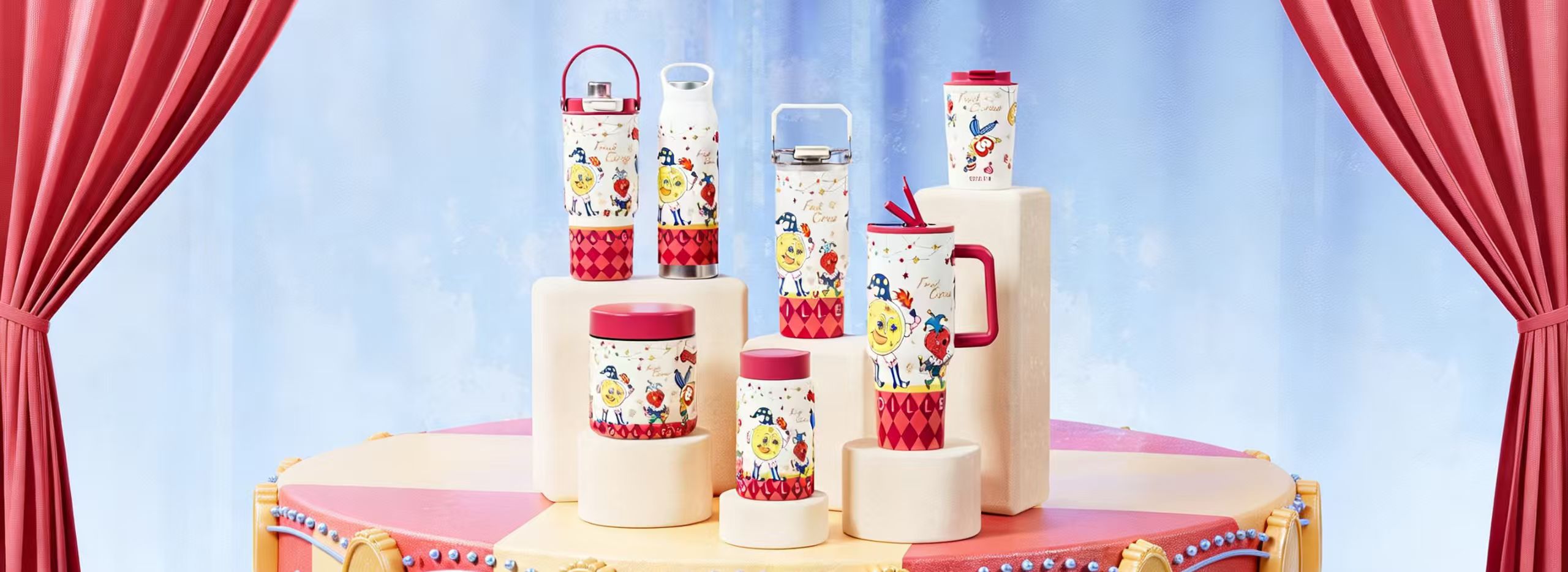
Ready stock water bottles key takeaways
- Stock products can reduce initial inventory exposure and shorten market-test preparation.
- Custom orders provide stronger control over branding, colour, packaging and product details.
- “In stock” must still be confirmed by SKU, colour, quantity, inspection status and reservation date.
- Custom MOQ depends on the product, decoration, packaging, colour and manufacturing change.
- A hybrid range can combine reliable core items with differentiated custom launches.
What are ready stock water bottles?
Ready stock water bottles are finished or substantially completed products held for sale in defined SKUs, colours and quantities. They may be available without product-level customisation, or they may support limited decoration if the supplier confirms a separate process. Stock availability is time-sensitive and should not be inferred from an old catalogue or website listing.
Before accepting “available”, ask the supplier to identify the warehouse, SKU, colour, quantity, reservation period, packaging condition and most recent inspection status. If stock is shared between channels, the buyer also needs a written allocation date.
Ready stock and custom orders compared
| Decision factor | Ready stock route | Custom route |
|---|---|---|
| Primary purpose | Test, replenish or launch quickly | Create a differentiated product or brand programme |
| Product choice | Limited to current SKUs and colours | Broader control within technical and MOQ limits |
| Branding | None or project-specific limited decoration | Logo, colour, packaging and other approved options |
| MOQ | May support smaller or mixed purchases | Depends on each custom element and production route |
| Approval | Stock sample and condition check | Pre-production sample and controlled specification |
| Inventory risk | Lower initial commitment, but limited exclusivity | Higher commitment, with stronger differentiation potential |
| Replenishment | Depends on remaining stock and re-order plan | Depends on planned production and material availability |
The correct comparison is not simply “fast versus slow”. Buyers should compare the complete commercial role. Ready stock may support a quick test, while a custom product can strengthen brand recognition and reduce direct comparability after demand is proven.
When should a distributor choose ready stock water bottles?
Stock products are useful when the distributor is entering a new channel, preparing for an event, testing unfamiliar colours or filling a temporary range gap. They can also help a new agent learn which capacities, lids and price positions attract local demand before commissioning a larger custom programme.
However, low entry quantity does not remove the need for quality checks. Confirm that all cartons belong to the same specification and review appearance, leakage, components, packaging and quantity. Furthermore, ask whether replacement lids, straws, seals or other parts will remain available.

When is a custom water bottle order more suitable?
Choose custom development when the product needs to carry a recognisable brand, fit a controlled colour system, use dedicated packaging or solve a channel-specific requirement. Customisation can range from applying a logo to changing the coating, lid, material, accessory, structure or tooling.
Each additional change affects the project differently. A laser logo on an existing bottle is not equivalent to a new mould, a unique silicone component or a special material. Therefore, request an itemised scope that identifies what remains standard and what becomes custom.
- Decoration customisation: logo, pattern, personalisation or wrap graphic;
- Colour customisation: coating, component and packaging colour references;
- Packaging customisation: box, insert, label, barcode and carton marks;
- Component customisation: lid, straw, handle, gasket or accessory;
- Structural customisation: dimensions, capacity, tooling or new product development.
How MOQ changes with the custom scope
There is no single meaningful MOQ for every custom bottle. The applicable quantity may be driven by the blank bottle, coating batch, print process, packaging supplier, component colour, material purchase or new tooling. A supplier should confirm each constraint against the exact SKU and artwork.
Diller states that ready-stock products can be available without a minimum order quantity, while custom MOQ depends on the project. Availability and terms must still be confirmed at the quotation date. This distinction helps buyers test products without presenting Diller as the lowest-price supplier.
Quality approval differs for stock and custom products
For ready stock water bottles, inspect an actual stock sample or recent batch reference. Confirm whether the delivered stock matches the displayed model, colour and packaging. If the buyer adds a logo, approve the decorated result separately.
For custom production, create a controlled specification and a pre-production approval record. The record should cover materials, dimensions, colour, logo, lid operation, leakage, thermal target where applicable and packaging. Read Diller’s water bottle sample approval checklist before releasing mass production.
Build a hybrid stock and custom product line
A hybrid strategy gives each route a defined role. The distributor can hold proven stock items for regular sales, use small tests for new shapes and invest in customisation where local evidence supports the decision. This prevents the range from becoming either generic or over-customised.
| Range layer | Recommended route | Commercial role |
|---|---|---|
| Core replenishment | Stable stock or planned standard production | Availability and repeat sales |
| Market-test items | Ready stock | Validate capacity, lid and colour demand |
| Brand signatures | Custom | Recognition and reduced direct comparability |
| Seasonal launches | Stock test followed by selected customisation | Control launch risk |
| Corporate projects | Stock bottle plus approved decoration, or custom | Match deadline and branding scope |
Review sales, returns, stock age and customer feedback after each test. Then, move only the strongest evidence-backed products into a larger branded programme.
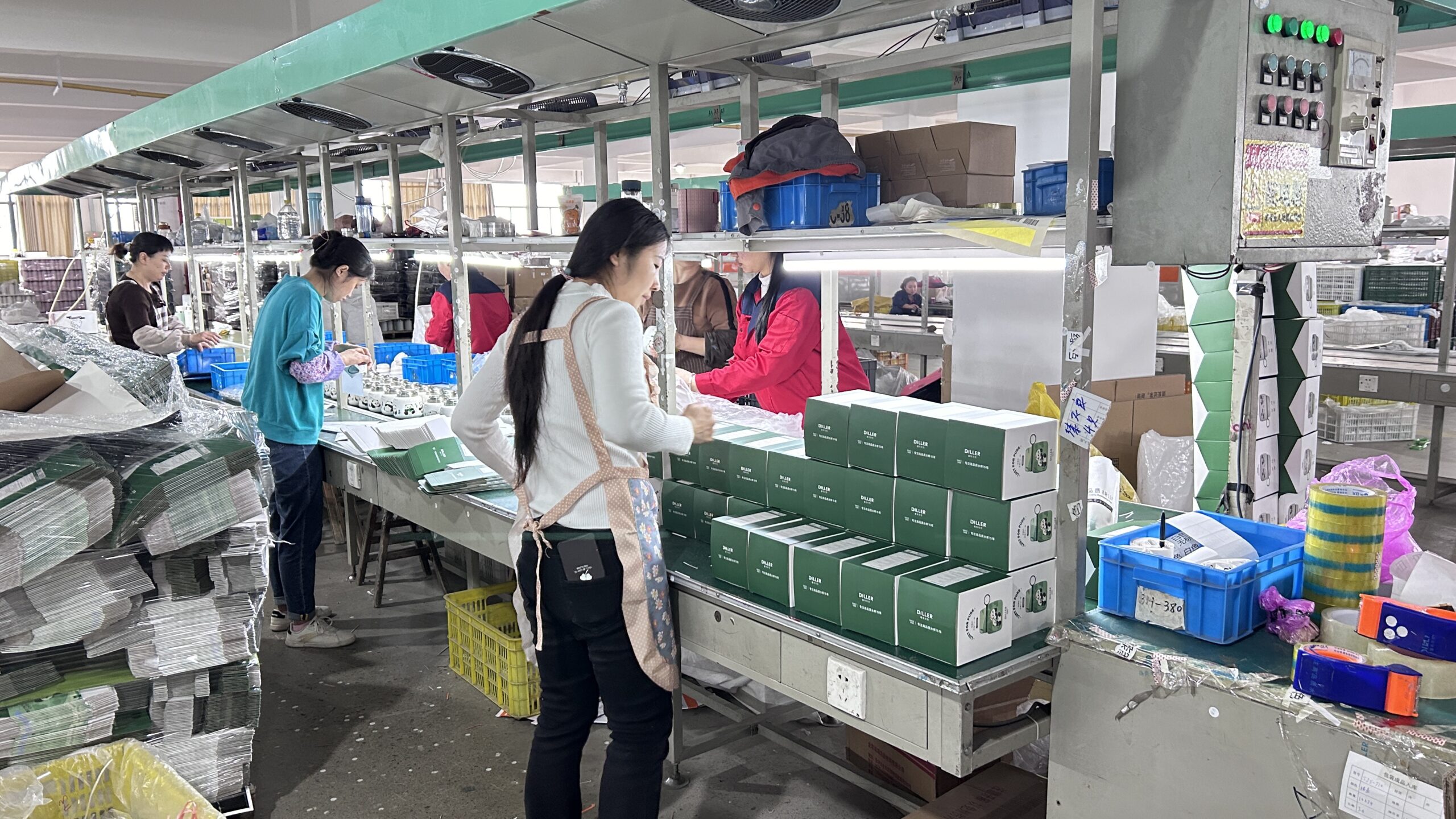
Ready stock water bottle buyer checklist
- ☐ Exact SKU, capacity, material and colour confirmed
- ☐ Available quantity and reservation date recorded
- ☐ Stock sample or recent batch reference reviewed
- ☐ Packaging condition and carton quantity checked
- ☐ Logo or relabelling scope separated from stock availability
- ☐ Replacement components and after-sales route confirmed
- ☐ Replenishment plan discussed if the test succeeds
- ☐ Custom MOQ is broken down by each requested change
- ☐ Import documents and destination requirements reviewed
How Diller supports both routes
Diller combines a branded product range, supply-chain coordination and factory manufacturing. This allows buyers to begin with available products, evaluate market response and then discuss decoration, packaging or deeper product development. Diller’s confirmed company profile includes 16 years of industry experience, a factory area exceeding 50,000 square metres, daily capacity above 10,000 pieces and product coverage across 60 countries.
These figures describe overall company capability rather than a promise for every SKU. Stock, MOQ, capacity, sample timing and production date must be confirmed for each quotation.
Frequently asked questions
Do ready stock water bottles always ship immediately?
No. The supplier still needs to confirm allocation, inspection, packaging, payment, export documents and transport booking. Additional logo work or relabelling also changes the schedule. Ask for a milestone plan instead of relying on the phrase “in stock”.
Can a buyer add a logo to an in-stock bottle?
Often yes, if the surface, quantity and available decoration process are suitable. However, the buyer must approve the artwork, position, colour and durability. Logo work creates a separate production step even when the blank bottle is already available.
Are custom water bottles always better for distributors?
No. Customisation creates stronger control, but it also adds approval, MOQ and inventory commitments. It is most valuable where the distributor has a clear customer, product role and demand hypothesis. Ready stock can provide evidence before that commitment.
What should a buyer compare besides MOQ?
Compare product quality, stock accuracy, sample approval, replenishment, branding rights, packaging, replacement parts, inspection, shipment terms and after-sales support. A low MOQ does not compensate for an unsuitable product or an unreliable specification.
Use stock to learn and customisation to differentiate
Ready stock water bottles can make market testing and replenishment more flexible, while custom development can build a more recognisable and defensible range. The strongest programme assigns each route a clear commercial role, confirms quality in writing and expands only after real market evidence.
Browse Diller’s current water bottle collection, review our custom manufacturing capabilities, use the product-line planning guide, or ask Diller to check stock and custom options for your market.