
Jawaban cepat: Botol air stok siap adalah rute yang lebih baik ketika distributor memerlukan pengujian pasar yang lebih cepat, pembelian campuran yang lebih kecil atau pengisian ulang segera. Pesanan kustom lebih baik ketika pembeli memerlukan logo, warna, kemasan, bahan atau struktur tertentu. Banyak program B2B menggunakan keduanya: produk stok memvalidasi permintaan, sementara produk kustom membangun rentang jangka panjang yang lebih khas.
Perbandingan ini ditulis untuk agen, importir, grosir, penjual daring, dan pembeli korporat yang memutuskan seberapa banyak kontrol produk yang mereka butuhkan sebelum mengikat inventaris. Ini berfokus pada risiko komersial, persetujuan kualitas, dan strategi lini produk daripada berasumsi bahwa satu rute selalu lebih murah.
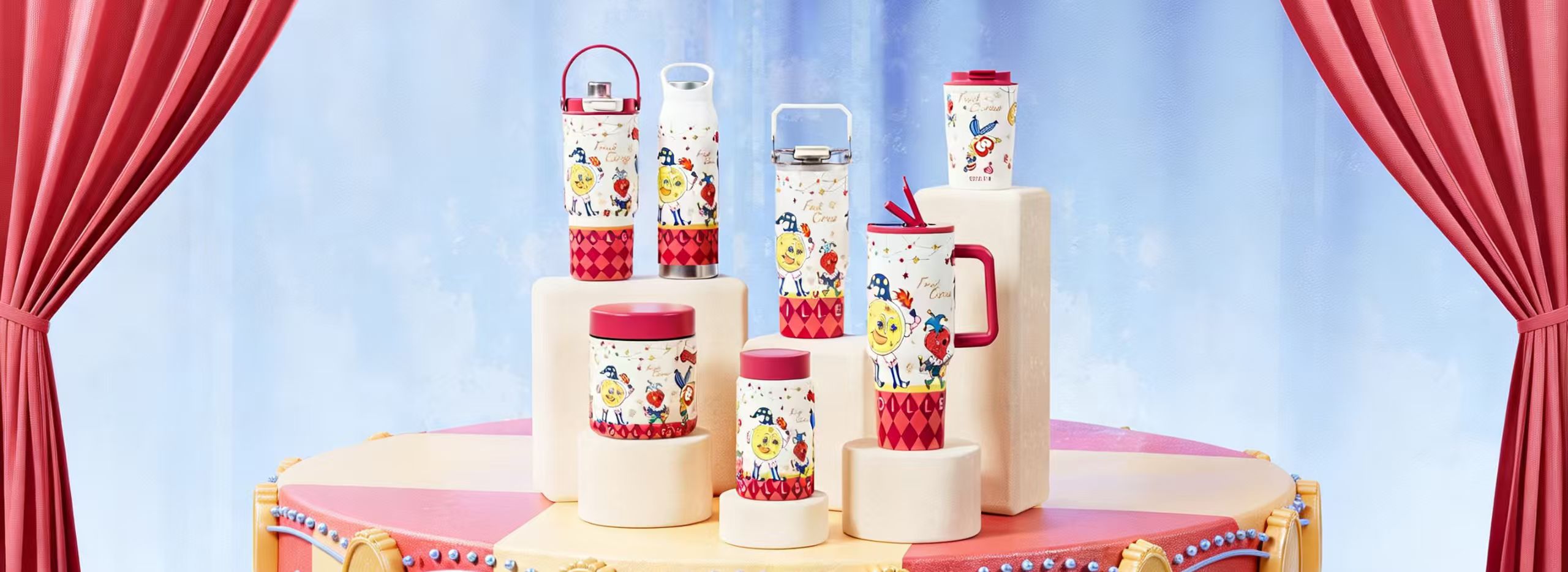
Poin penting botol air stok siap
- Produk stok dapat mengurangi eksposur inventaris awal dan memperpendek persiapan uji pasar.
- Pesanan kustom memberikan kontrol yang lebih kuat atas branding, warna, kemasan, dan detail produk.
- “Stok tersedia” masih harus dikonfirmasi berdasarkan SKU, warna, kuantitas, status pemeriksaan dan tanggal reservasi.
- MOQ kustom tergantung pada produk, dekorasi, kemasan, warna, dan perubahan manufaktur.
- Rentang hibrida dapat menggabungkan item inti yang andal dengan peluncuran kustom yang berbeda.
Apa itu botol air stok siap?
Botol air stok siap adalah produk jadi atau hampir selesai yang disimpan untuk dijual dalam SKU, warna, dan kuantitas yang ditentukan. Mereka mungkin tersedia tanpa kustomisasi tingkat produk, atau mereka mungkin mendukung dekorasi terbatas jika pemasok mengonfirmasi proses terpisah. Ketersediaan stok sensitif waktu dan tidak boleh disimpulkan dari katalog lama atau daftar situs web.
Sebelum menerima “tersedia”, minta pemasok untuk mengidentifikasi gudang, SKU, warna, kuantitas, periode reservasi, kondisi kemasan, dan status inspeksi terbaru. Jika stok dibagikan antar saluran, pembeli juga memerlukan tanggal alokasi tertulis.
Stok siap dan pesanan kustom dibandingkan
| Faktor keputusan | Rute stok siap | Rute kustom |
|---|---|---|
| Tujuan utama | Uji, isi ulang, atau luncurkan dengan cepat | Buat produk atau program merek yang berbeda |
| Pilihan produk | Terbatas pada SKU dan warna saat ini | Kontrol yang lebih luas dalam batas teknis dan MOQ |
| Branding | Tidak ada atau dekorasi terbatas khusus proyek | Logo, warna, kemasan dan opsi lain yang disetujui |
| Jumlah pesanan minimum | Mungkin mendukung pembelian yang lebih kecil atau campuran | Bergantung pada setiap elemen kustom dan rute produksi |
| Persetujuan | Contoh stok dan pemeriksaan kondisi | Sampel pra-produksi dan spesifikasi terkendali |
| Risiko inventaris | Komitmen awal lebih rendah, tetapi eksklusivitas terbatas | Komitmen lebih tinggi, dengan potensi diferensiasi yang lebih kuat |
| Pengisian ulang | Bergantung pada stok yang tersisa dan rencana pemesanan ulang | Tergantung pada produksi yang direncanakan dan ketersediaan bahan |
Perbandingan yang benar bukan sekadar “cepat versus lambat”. Pembeli harus membandingkan peran komersial secara lengkap. Stok siap dapat mendukung uji cepat, sementara produk kustom dapat memperkuat pengenalan merek dan mengurangi keterbandingan langsung setelah permintaan terbukti.
Kapan distributor harus memilih botol air stok siap?
Produk stok berguna ketika distributor memasuki saluran baru, mempersiapkan acara, menguji warna yang tidak dikenal, atau mengisi kesenjangan rentang sementara. Mereka juga dapat membantu agen baru mempelajari kapasitas, tutup, dan posisi harga mana yang menarik permintaan lokal sebelum menugaskan program kustom yang lebih besar.
Namun, kuantitas masuk rendah tidak menghilangkan kebutuhan pemeriksaan kualitas. Konfirmasi bahwa semua karton memiliki spesifikasi yang sama dan tinjau penampilan, kebocoran, komponen, kemasan, dan kuantitas. Selain itu, tanyakan apakah tutup pengganti, sedotan, segel, atau bagian lain akan tetap tersedia.

Kapan pesanan botol air kustom lebih sesuai?
Choose custom development when the product needs to carry a recognisable brand, fit a controlled colour system, use dedicated packaging or solve a channel-specific requirement. Customisation can range from applying a logo to changing the coating, lid, material, accessory, structure or tooling.
Each additional change affects the project differently. A laser logo on an existing bottle is not equivalent to a new mould, a unique silicone component or a special material. Therefore, request an itemised scope that identifies what remains standard and what becomes custom.
- Decoration customisation: logo, pattern, personalisation or wrap graphic;
- Colour customisation: coating, component and packaging colour references;
- Packaging customisation: box, insert, label, barcode and carton marks;
- Component customisation: lid, straw, handle, gasket or accessory;
- Structural customisation: dimensions, capacity, tooling or new product development.
How MOQ changes with the custom scope
There is no single meaningful MOQ for every custom bottle. The applicable quantity may be driven by the blank bottle, coating batch, print process, packaging supplier, component colour, material purchase or new tooling. A supplier should confirm each constraint against the exact SKU and artwork.
Diller states that ready-stock products can be available without a minimum order quantity, while custom MOQ depends on the project. Availability and terms must still be confirmed at the quotation date. This distinction helps buyers test products without presenting Diller as the lowest-price supplier.
Quality approval differs for stock and custom products
For ready stock water bottles, inspect an actual stock sample or recent batch reference. Confirm whether the delivered stock matches the displayed model, colour and packaging. If the buyer adds a logo, approve the decorated result separately.
For custom production, create a controlled specification and a pre-production approval record. The record should cover materials, dimensions, colour, logo, lid operation, leakage, thermal target where applicable and packaging. Read Diller’s daftar periksa persetujuan sampel botol air before releasing mass production.
Build a hybrid stock and custom product line
A hybrid strategy gives each route a defined role. The distributor can hold proven stock items for regular sales, use small tests for new shapes and invest in customisation where local evidence supports the decision. This prevents the range from becoming either generic or over-customised.
| Range layer | Recommended route | Commercial role |
|---|---|---|
| Core replenishment | Stable stock or planned standard production | Availability and repeat sales |
| Market-test items | Ready stock | Validate capacity, lid and colour demand |
| Brand signatures | Custom | Recognition and reduced direct comparability |
| Seasonal launches | Stock test followed by selected customisation | Control launch risk |
| Corporate projects | Stock bottle plus approved decoration, or custom | Match deadline and branding scope |
Review sales, returns, stock age and customer feedback after each test. Then, move only the strongest evidence-backed products into a larger branded programme.
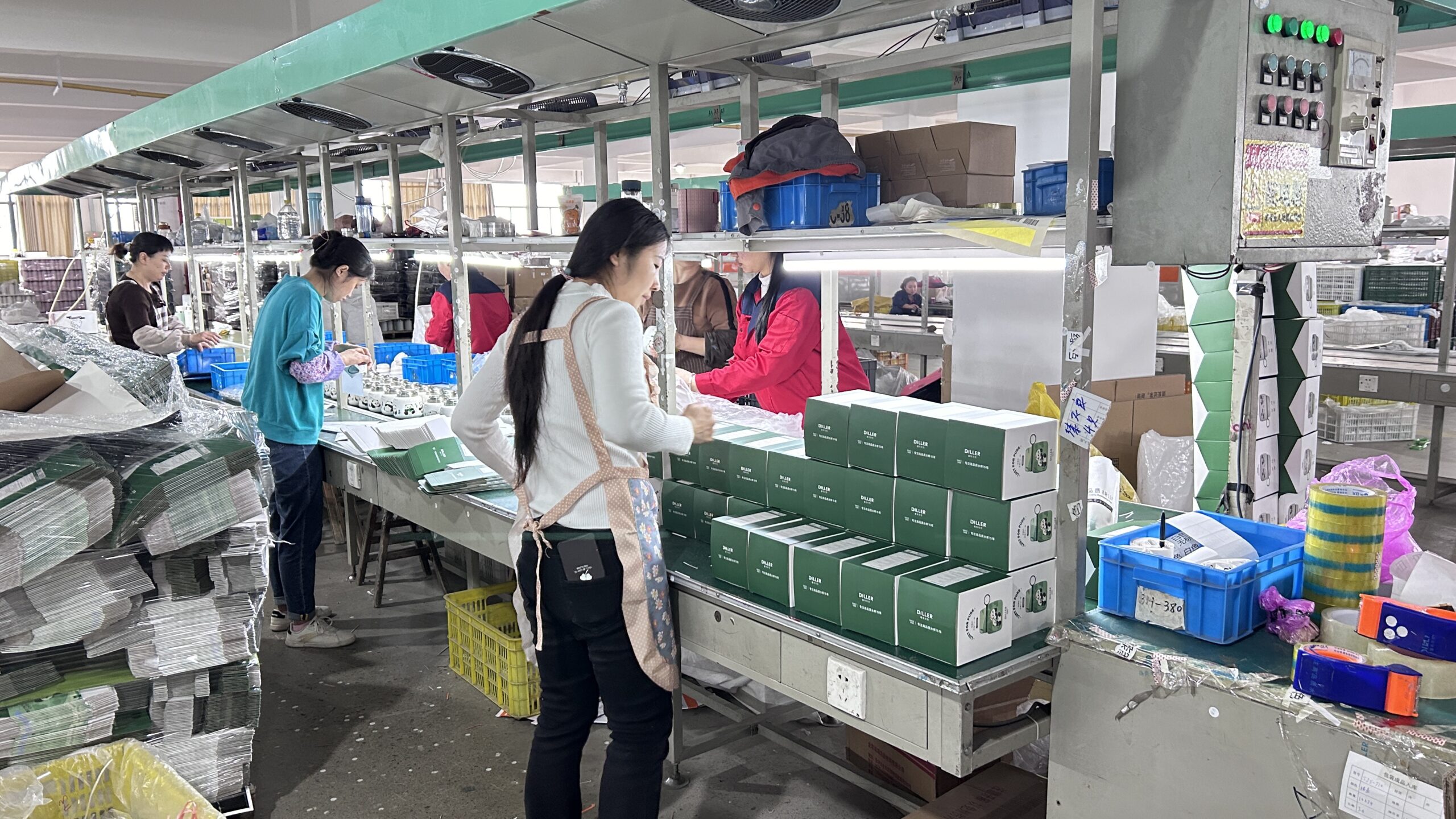
Ready stock water bottle buyer checklist
- ☐ Exact SKU, capacity, material and colour confirmed
- ☐ Available quantity and reservation date recorded
- ☐ Stock sample or recent batch reference reviewed
- ☐ Packaging condition and carton quantity checked
- ☐ Logo or relabelling scope separated from stock availability
- ☐ Replacement components and after-sales route confirmed
- ☐ Replenishment plan discussed if the test succeeds
- ☐ Custom MOQ is broken down by each requested change
- ☐ Import documents and destination requirements reviewed
How Diller supports both routes
Diller combines a branded product range, supply-chain coordination and factory manufacturing. This allows buyers to begin with available products, evaluate market response and then discuss decoration, packaging or deeper product development. Diller’s confirmed company profile includes 16 years of industry experience, a factory area exceeding 50,000 square metres, daily capacity above 10,000 pieces and product coverage across 60 countries.
These figures describe overall company capability rather than a promise for every SKU. Stock, MOQ, capacity, sample timing and production date must be confirmed for each quotation.
Pertanyaan yang sering diajukan
Do ready stock water bottles always ship immediately?
No. The supplier still needs to confirm allocation, inspection, packaging, payment, export documents and transport booking. Additional logo work or relabelling also changes the schedule. Ask for a milestone plan instead of relying on the phrase “in stock”.
Can a buyer add a logo to an in-stock bottle?
Often yes, if the surface, quantity and available decoration process are suitable. However, the buyer must approve the artwork, position, colour and durability. Logo work creates a separate production step even when the blank bottle is already available.
Are custom water bottles always better for distributors?
No. Customisation creates stronger control, but it also adds approval, MOQ and inventory commitments. It is most valuable where the distributor has a clear customer, product role and demand hypothesis. Ready stock can provide evidence before that commitment.
What should a buyer compare besides MOQ?
Compare product quality, stock accuracy, sample approval, replenishment, branding rights, packaging, replacement parts, inspection, shipment terms and after-sales support. A low MOQ does not compensate for an unsuitable product or an unreliable specification.
Use stock to learn and customisation to differentiate
Ready stock water bottles can make market testing and replenishment more flexible, while custom development can build a more recognisable and defensible range. The strongest programme assigns each route a clear commercial role, confirms quality in writing and expands only after real market evidence.
Browse Diller’s current water bottle collection, review our custom manufacturing capabilities, use the product-line planning guideatau ask Diller to check stock and custom options for your market.