
إجابة سريعة: يجب اختيار طباعة شعار زجاجة الماء وفقًا لمادة الزجاجة، وتشطيب السطح، والرسم، وعدد الألوان، والمتانة المطلوبة وكمية الطلب. يخلق النقش بالليزر علامة دائمة على الأسطح المعدنية المناسبة. تناسب طباعة الشاشة الرسومات البسيطة ذات الألوان الموضعية، بينما يمكن لملصقات النقل الحراري والنقل المائي إعادة إنتاج رسومات أكثر تعقيدًا. يجب على المشترين الموافقة على الزخرفة الفعلية على التشطيب النهائي للزجاجة قبل الإنتاج الضخم.
هذا الدليل موجه للموزعين والعلامات التجارية الخاصة وشركات المنتجات الترويجية والمشترين المؤسسيين الذين يقارنون طرق العلامات التجارية لأدوات الشرب بالجملة. يشرح كيفية اختيار العملية وإعداد الأعمال الفنية والموافقة على العينات دون التعامل مع أقل رسوم للزخرفة كقرار وحيد.
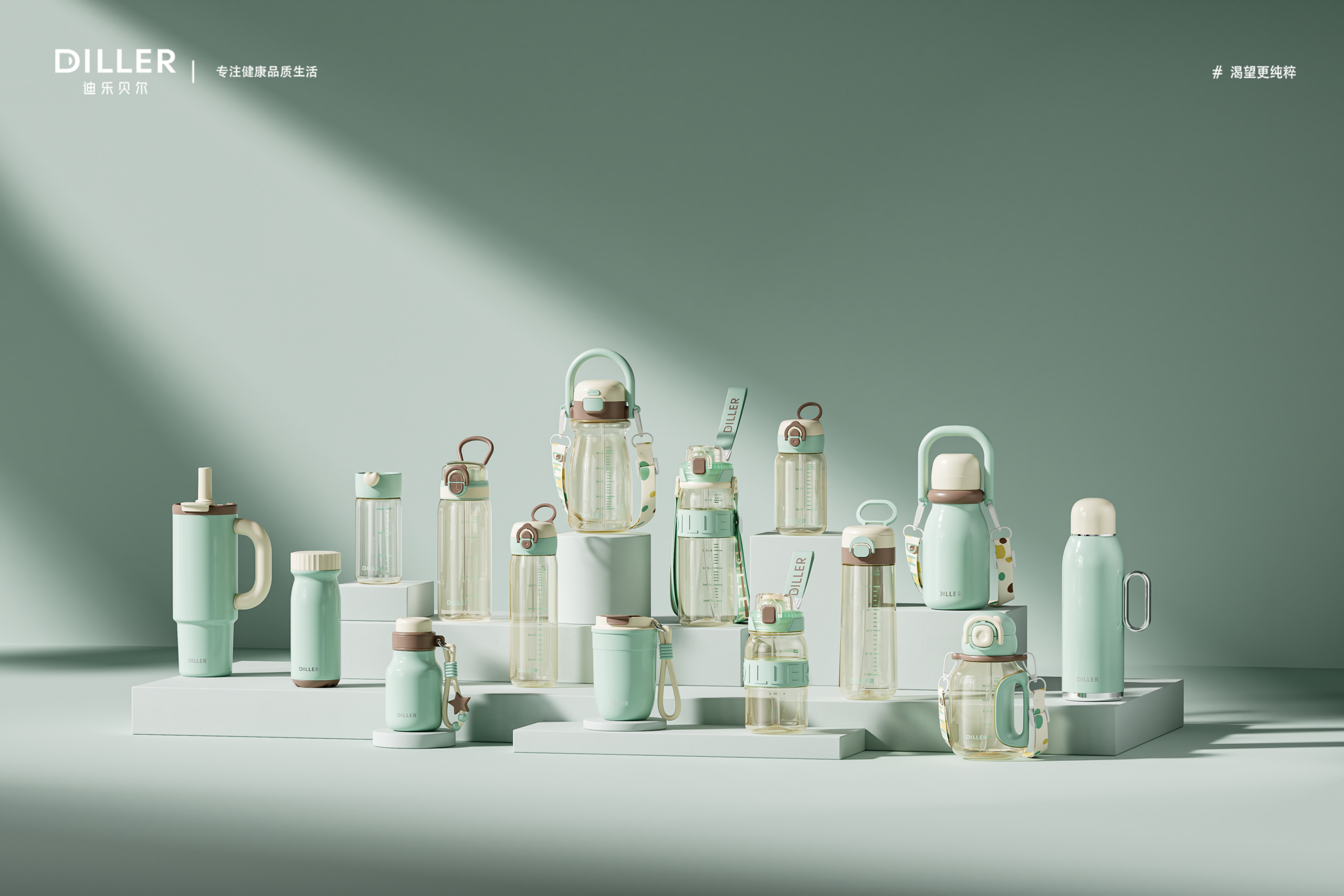
النقاط الرئيسية لطباعة شعار زجاجة الماء
- اختر عملية الزخرفة بعد تأكيد مادة الزجاجة والتشطيب النهائي للسطح.
- استخدم الأعمال الفنية المتجهة وحدد الحجم والموضع والتوجيه ومراجع الألوان كتابيًا.
- تحل الليزر والطباعة الشاشة والطباعة بالنقل والملصقات مشاكل تصميم مختلفة.
- النموذج الرقمي مفيد لوضع الشعار، لكن العينة المادية هي المرجع الإنتاجي.
- يجب اختبار المتانة على الزجاجة المزخرفة بالكامل، وليس الافتراض من اسم العملية.
كيف يجب على المشترين اختيار طريقة طباعة شعار زجاجة الماء؟
الطريقة الصحيحة هي التي يمكنها إعادة إنتاج العمل الفني المعتمد بشكل متسق على سطح الزجاجة المقصود تحت ظروف الاستخدام المتوقعة للمنتج. ابدأ بالركيزة والطلاء. الأسطح المصنوعة من الفولاذ المقاوم للصدأ، والطلاء المسحوق، والبلاستيك، والسيليكون، والزجاج، والسيراميك المطلي لا تستجيب بشكل متطابق للحرارة، أو الحبر، أو الضغط، أو طاقة الليزر.
بعد ذلك، راجع العمل الفني. شعار أحادي اللون له متطلبات مختلفة عن التدرج الضوئي، أو النمط المحيط، أو الهدية المسماة بشكل فردي. أخيرًا، حدد توقع الأداء. قد تتطلب زجاجة حدث ترويجي ومجموعة بيع بالتجزئة للاستخدام اليومي اختبارات مختلفة للمقاومة للاحتكاك وغسالة الصحون والمواد الكيميائية.
مقارنة طرق طباعة شعار زجاجة الماء
| Method | الأكثر ملاءمة لـ | القوة الرئيسية | نقطة الموافقة الرئيسية |
|---|---|---|---|
| النقش بالليزر | الهياكل المعدنية المناسبة وبعض التشطيبات المطلية | علامة دائمة ودقيقة بدون حبر إضافي | التباين وتأثير النقش على التشطيب الفعلي |
| طباعة الشاشة | الشعارات البسيطة والألوان الموضعية المحدودة | علامة تجارية فعالة وقابلة للتعرف على المناطق المناسبة | التصاق الحبر، تعريف الحواف واللون |
| انتقال الحرارة | الرسومات متعددة الألوان ومناطق الزخرفة الأوسع | إعادة إنتاج اللون التفصيلية | تشويه الرسم، التماس والالتصاق |
| ملصق نقل مائي | الأشكال المعقدة، الأنماط والأسطح المنحنية | يمكن أن تغطي المناطق الصعبة للطباعة المسطحة | حافة الفيلم، الموضع والطلاء الواقي |
| الطباعة بالأشعة فوق البنفسجية | رسومات مفصلة على الأسطح المتوافقة | تفاصيل دقيقة وألوان متغيرة | تحضير السurface ومقاومة التآكل |
| شعار بارز أو مصبوب | مشاريع البلاستيك المخصص، أو السيليكون، أو الأدوات | يصبح الشعار جزءًا من المكون | الأدوات، المسودة، العمق والقابلية للتنظيف |
لا توجد طريقة تتفوق تلقائيًا في كل حالة. قد يبدو النقش بالليزر متواضعًا ومتينًا، لكنه لا يستطيع إعادة إنتاج كل لون من ألوان العلامة التجارية. قد تعمل عملية النقل على إعادة إنتاج الأعمال الفنية المعقدة، على الرغم من أنها تقدم المزيد من المتغيرات في الفيلم، والحرارة، والموضع، والإنهاء. يجب على المشتري مقارنة النتيجة النهائية، وليس فقط اسم العملية.
وبالتالي، يجب تسعير طباعة شعار زجاجة الماء مقابل موجز زخرفة واحد معتمد. سعر على مستوى الطريقة بدون معلومات حجم الرسم، وعدد الألوان والسطح ليس عرضًا قابلًا للمقارنة.
النقش بالليزر للزجاجات المعدنية المعزولة
يزيل النقش بالليزر أو يغير السطح لإنشاء علامة مُتحكم بها. يعمل بشكل جيد للنصوص، والتسلسل، والرسومات الخطية والشعارات حيث لا يلزم مطابقة الألوان. ومع ذلك، تعتمد النتيجة المرئية على المعدن، وسمك الطلاء، وإعدادات الليزر وتفاصيل الرسم.
اطلب من المورد تأكيد ما إذا كانت العلامة تكشف عن المعدن، أو تغير لون الطلاء، أو تنتج تأثيرًا آخر. قد تفقد الخطوط الرفيعة جدًا والنصوص الصغيرة المقلوبة الوضوح. لذلك، يجب أن تحدد العينة المعتمدة التباين المقبول، وجودة الحواف، والموضع.
الطباعة بالشاشة للشعارات المخصصة البسيطة على الزجاجات
غالبًا ما تكون طباعة الشاشة عملية لواحد أو عدد قليل من الألوان الموضعية على منطقة طباعة مناسبة. يمكن أن تنتج رؤية علامة تجارية قوية دون تغطية الزجاجة بالكامل. ومع ذلك، يمكن للأجسام المنحنية، والجدران المخروطية، والطلاء المسحوق المُنقش، والدرزات أن تحد من المنطقة القابلة للاستخدام.
حدد نظام الحبر والمعالجة المسبقة وعملية المعالجة للركيزة المختارة. علاوة على ذلك، اختبر الزخرفة النهائية للتعلق والمقاومة للاحتكاك. قد تحتاج العملية التي تعمل على الفولاذ المقاوم للصدأ الأملس إلى تعديل على طلاء محكم أو مكون بلاستيكي.
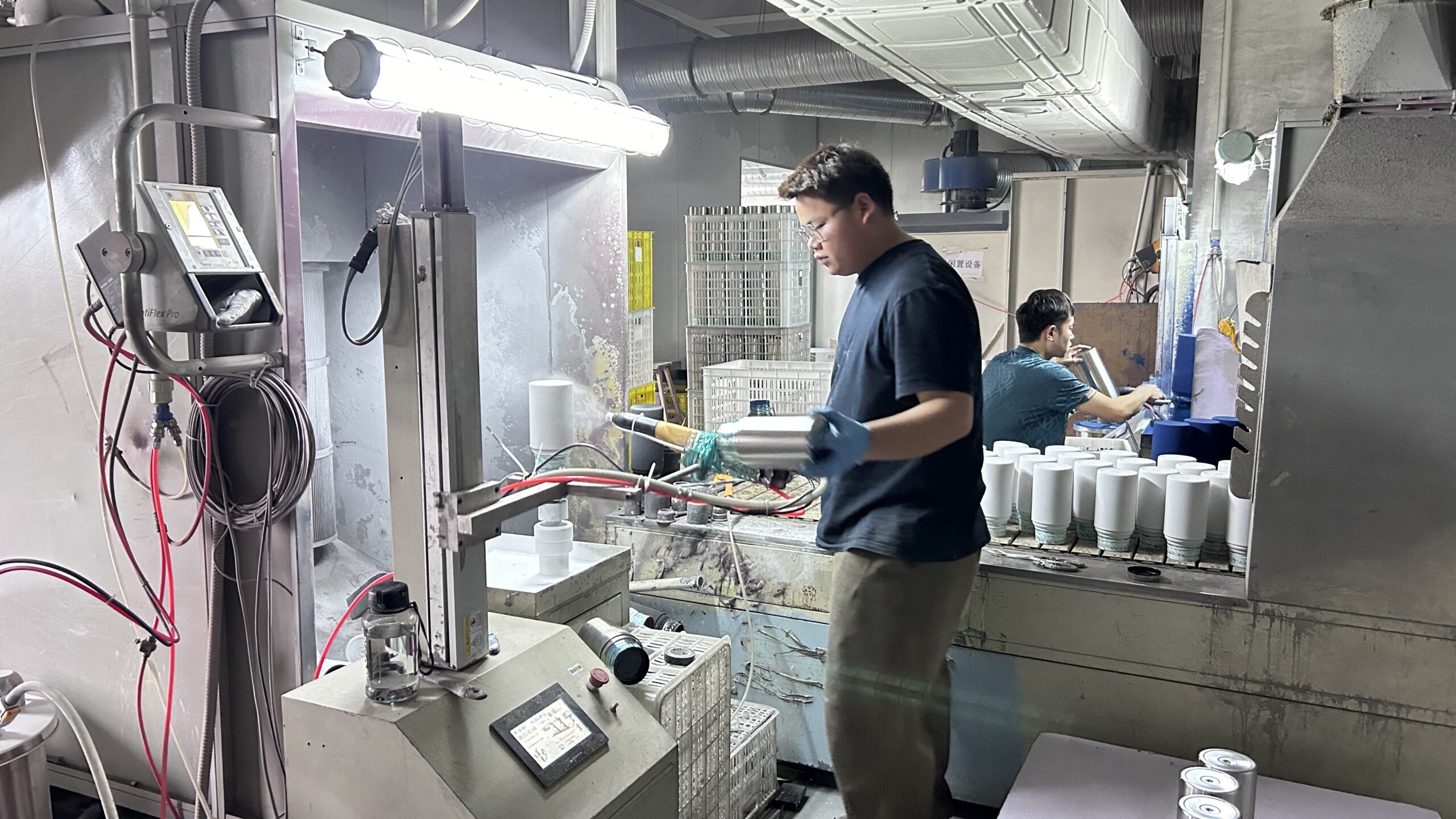
Transfer and decal methods for detailed graphics
Heat-transfer and water-transfer processes are useful when the artwork contains multiple colours, gradients or a larger pattern. They can also support decoration around curved areas. However, the artwork may stretch or change visually when transferred from a flat file to a three-dimensional bottle.
Review where the pattern begins and ends, how it aligns with the lid and handle, and whether a visible seam is acceptable. The protective top layer, curing conditions and intended washing method should also form part of the approval specification.
Prepare artwork and colour references
Supply editable vector artwork where possible, with fonts converted to outlines. Record the logo width and height in millimetres, the distance from a stable reference point and the viewing orientation when the lid is closed. If the bottle has a handle, straw or front face, define which direction is considered the front.
For spot colours, specify the appropriate Pantone reference and provide a physical reference when colour is critical. Pantone explains that colour appearance changes across materials and finishes. Consequently, an on-screen colour or a code alone cannot guarantee an identical result on powder coating, ink, silicone and packaging.
- vector logo file and approved version;
- logo dimensions and print location;
- Pantone or other agreed colour reference;
- minimum line width and text size;
- front orientation and distance from edges;
- acceptable colour and position tolerance;
- required personalisation or variable data.
Approve the logo on the actual bottle
A digital rendering can confirm approximate scale and placement. It cannot prove ink adhesion, laser contrast, film edges, gloss, texture or real colour. For that reason, approve a decorated physical sample made with the intended bottle material and finish whenever the visual or durability risk is material.
Photograph the sample, identify its SKU, artwork version, colour, process and approval date, then retain a reference. If the buyer approves only part of the sample, record that limitation. For example, a print-position sample does not automatically approve the bottle’s leakage or thermal performance.
Inspect water bottle logo printing in bulk production
Bulk inspection should compare production with the approved sample and written artwork specification. Review the logo under consistent lighting and at an agreed viewing distance. In addition, check both appearance and basic adhesion according to a method agreed before production.
The water bottle logo printing record should identify the production batch, artwork version and inspected quantity so that any corrective action can address the right goods.
| Inspection point | What to check | Typical defect risk |
|---|---|---|
| Position | Height, rotation and alignment | Logo appears tilted or off-centre |
| Colour | Approved physical reference and tolerance | Batch or component mismatch |
| Edges | Line definition and complete coverage | Blur, pinholes or missing ink |
| سطح | Scratches, contamination and film edge | Visible rework or poor preparation |
| Adhesion | Agreed rub, tape or wash method | Peeling or premature wear |
| Artwork | Correct version, spelling and orientation | Wrong logo or obsolete file |
Decoration applied away from the drinking surface still needs a product-specific compliance review. The U.S. Food and Drug Administration notes that colourants, adhesives and other substances applied to packaging surfaces can fall within food-contact considerations depending on their use. Buyers should review the complete article and intended conditions, not assume that every ink is suitable for every bottle.
How Diller manages custom bottle branding
Diller supports laser engraving, screen printing, water-transfer, heat-transfer and other project-specific decoration options. The recommended route begins with the selected SKU, surface finish and artwork rather than a generic logo price. This helps the buyer compare achievable appearance, sample needs and production controls.
For new projects, Diller can connect product selection, 2D or 3D design, sample development, packaging and mass-production review through its brand + supply chain + factory model. Buyers should request a project quotation because process, colour count, decoration area, quantity and quality standard all affect the final scope.
الأسئلة الشائعة
Which water bottle logo printing method is most durable?
Laser engraving creates a permanent mark on suitable surfaces, but “most durable” depends on the substrate, coating and required appearance. Printed methods can also perform well when surface preparation, ink, curing and protective finish are correctly specified and tested on the finished bottle.
Can a full-colour logo be printed on an insulated bottle?
Yes, on compatible surfaces using processes such as heat transfer, water-transfer decal or UV printing. The best choice depends on artwork detail, bottle shape, decoration area and durability target. Approve a physical sample because gradients and colours can change across materials and finishes.
What artwork file should a buyer provide?
An editable vector file is preferred for most logos. Convert fonts to outlines and include the approved logo version, dimensions, print location and colour references. High-resolution raster artwork may be needed for photographic graphics, but the supplier should confirm resolution and colour requirements.
Does a logo sample approve the whole product?
No. A decoration sample proves only the items recorded in its approval scope. Leakage, thermal performance, materials, packaging and other functions require separate specifications and acceptance checks.
Choose the method by evidence, not by name
Water bottle logo printing works best when the buyer defines the surface, artwork, position, colour, performance and inspection method before production. Compare real decorated samples, document the approved version and inspect bulk output against the same reference. This approach protects brand consistency while allowing the supplier to recommend the process that fits the product.
Review Diller’s مجموعات زجاجات المياه, explore our custom product development service, read the sample approval checklistأو discuss a logo project with Diller.