
빠른 답변: 워터 보틀 제품 라인을 구축하려면 하나의 목표 고객과 채널로 시작한 다음, 사용 사례, 용량, 재질 및 가치 포지션에 걸쳐 집중된 어소트먼트를 만듭니다. 각 SKU에 명확한 역할을 부여하고, 불필요한 중복을 제한하며, 샘플을 테스트하고, 품질 요건을 정의하며, 색상이나 기능을 확장하기 전에 재고 보충을 계획하세요.
이 가이드는 물병 유통업자, 수입업자, 도매업자 및 자체 브랜드 업체를 위한 것입니다. 수백 가지 제품을 둘러보는 것에서 벗어나 고객이 이해하고 영업팀이 재고를 보충할 수 있는 일관된 제품군을 선택하는 방법을 설명합니다.
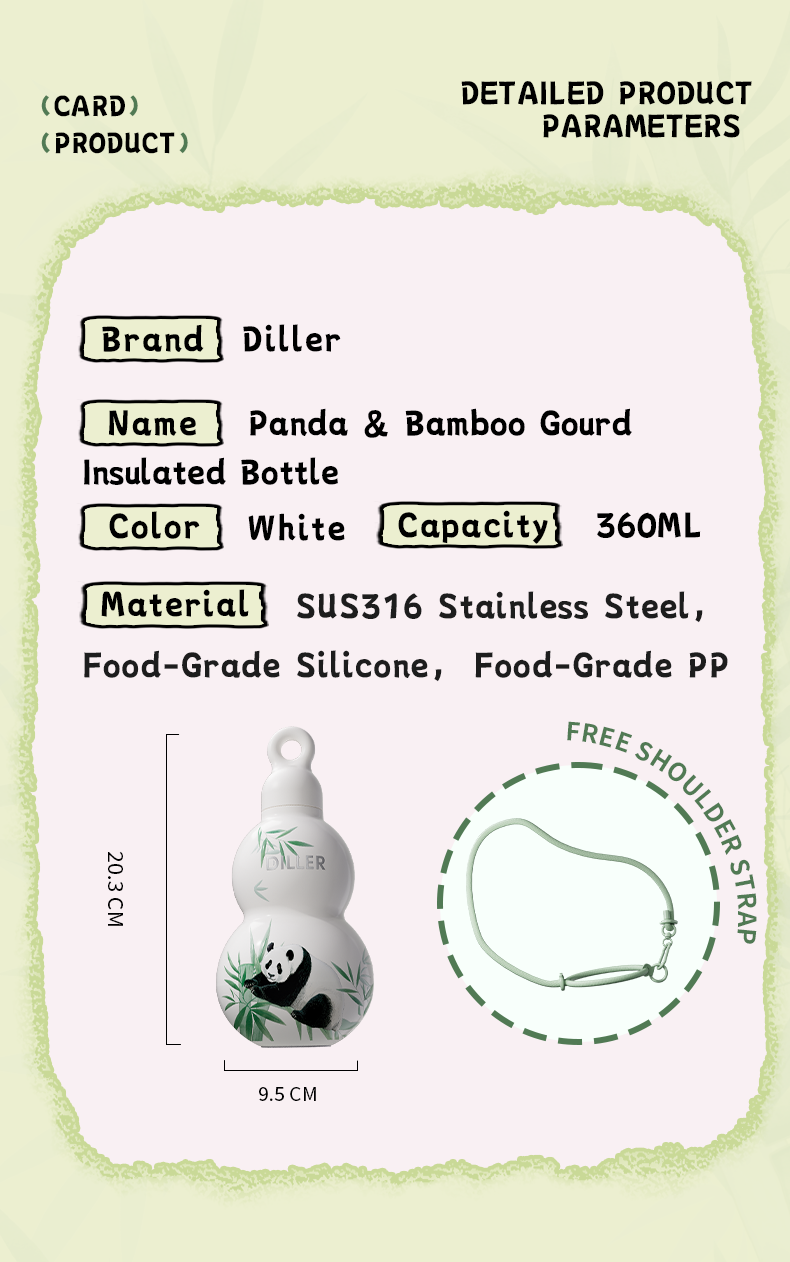
물병 제품 라인 핵심 요약
- 강력한 상품 구성은 공장 카탈로그의 크기가 아닌 고객 요구를 중심으로 구축됩니다.
- 모든 SKU는 역할을 가져야 합니다: 트래픽 구축자, 핵심 판매 제품, 프리미엄 옵션, 전문 제품 또는 시즌 테스트 제품.
- 재질과 용량은 사용 사례를 따라야 합니다.
- 디자인 언어와 포장은 제품군이 관련되어 보이도록 만들어야 합니다.
- 재고 보충, 예비 부품 및 품질 일관성은 출시 흥분만큼 중요합니다.
물병 제품 라인이란 무엇인가요?
워터 보틀 제품 라인은 특정 시장, 채널 및 고객 요구에 맞게 설계된 조화로운 음료용품 SKU 그룹입니다. 제품들은 인지 가능한 브랜드 논리를 공유하면서 크기, 기능, 재료, 색상 또는 가치 위치에서 유용한 차이점을 제공합니다.
제품 라인은 인기 있는 보틀의 무작위 선택이 아닙니다. 관련 없는 항목이 너무 많으면 구매, 재고, 마케팅 및 영업 교육이 더 어려워집니다. 의미 있는 옵션이 너무 적으면 고객이 업그레이드하거나 더 적합한 제품을 선택할 이유가 없습니다.
1. 고객과 채널 정의
유통업체가 서비스할 구매자부터 시작하세요. “물을 마시는 모든 사람”은 사용 가능한 세그먼트가 아닙니다. 더 나은 예로는 도시 출퇴근자, 초등학생, 아웃도어 고객, 프리미엄 기업 선물 프로그램 또는 독립적인 라이프스타일 리테일러가 있습니다.
| Channel | 제품 라인 우선순위 | 운영 우선순위 |
|---|---|---|
| 소매점 | 진열 인지도와 명확한 선택 | 바코드, 케이스 팩 및 정기적 재고 보충 |
| 전자상거래 | 눈에 띄는 혜택과 통제된 변형 | 사진 일관성, 포장 보호 및 반품 |
| 기업 선물 | 광범위한 매력과 맞춤형 브랜딩 | 로고 영역, 프로젝트 일정 및 프레젠테이션 |
| 아동 채널 | 연령에 적합한 디자인 및 운영 | 안전성, 세척, 교체 부품 및 문서화 |
| 야외/스포츠 | 휴대성, 유동성, 용량 및 내구성 | 기능 테스트 및 액세서리 호환성 |
| 프리미엄 라이프스타일 | 재료, 마감, 디자인 스토리 및 선물용 | 시각적 일관성과 품질 허용 범위 |
2. 주요 사용 상황 매핑
목표 고객이 제품을 사용할 상황을 나열하세요: 출퇴근, 사무실, 학교, 체육관, 아웃도어 여행, 커피, 차, 식사 또는 선물. 채널에 맞는 경우만 선택하세요.
사무실 및 선물용 고객을 대상으로 하는 유통업체는 다음과 같이 구성할 수 있습니다:
- 컴팩트한 출퇴근용 보틀;
- 책상 및 차량용 핸들 텀블러;
- 프리미엄 차 또는 커피 옵션;
- 선물 세트 구성;
- 소수의 시즌 컬러.
동일한 어소트먼트는 아동 전문점이나 아웃도어 리테일러에는 적합하지 않을 것입니다.
3. 명확한 제품 역할 생성
모든 SKU에 상업적 역할을 부여하세요. 간단한 구조는 다음과 같습니다:
- 입문 제품: 브랜드를 가장 저렴한 보틀로 포지셔닝하지 않고도 접근 가능한 방식으로 경험할 수 있는 방법.
- 핵심 판매 제품: 디자인, 기능 및 채널 적합성의 가장 넓은 조합.
- 프리미엄 제품: stronger material, finish, innovation or presentation.
- Specialist product: serves a defined need such as children, tea, food or outdoor use.
- Test product: limited launch used to validate a new design, colour or capacity.
If two SKUs have the same role, same capacity and similar appearance, one may be unnecessary. Overlap should create a clear choice, not confusion.
4. Choose materials based on use and positioning
Material affects weight, durability, insulation, transparency, taste experience, regulatory documentation and brand perception. Common options include stainless steel, titanium, Tritan, PPSU, glass and food-grade plastics.
Do not make the material decision only from a unit-cost comparison. Ask:
- What beverages and temperatures are intended?
- How important are weight, transparency or thermal performance?
- What cleaning behaviour is expected?
- Which food-contact rules apply in the target market?
- How does the material support the brand story?
- Can the manufacturer maintain the same material and finish across repeat orders?
The U.S. FDA and European Commission both maintain frameworks for food-contact materials. Confirm that documentation applies to the actual components and conditions of use.
5. Build a capacity ladder
Capacity should correspond to the user and use occasion. Avoid adding every available size. A focused range might include a compact size, a standard daily size and a large-capacity option.
Evaluate dimensions as well as volume. Two 600 ml bottles may behave differently in a bag, hand or cup holder. Weight, diameter, height, drinking opening and handle design can matter more than the nominal capacity.
6. Establish a recognisable design system
Use consistent choices in silhouette, logo placement, colour, pattern, finish, typography and packaging. The World Intellectual Property Organization notes that industrial designs can help companies differentiate products and enhance brand image. A coherent range makes that differentiation easier to recognise across several SKUs.
Create design rules:
- brand colours and seasonal colour policy;
- logo size and placement zones;
- adult, children’s, sports and premium visual codes;
- finish and decoration standards;
- packaging hierarchy and naming convention;
- photography and product-information standards.
7. Design the quality ladder
Different value positions can use different materials, finishes or features, but the basic brand promise should remain reliable. An entry product should not be allowed to leak or arrive with uncontrolled defects. Define non-negotiable requirements across the whole line, then specify additional premium characteristics.
For each SKU, document material, capacity, dimensions, leakage method, thermal target where relevant, colour reference, logo standard, packaging and inspection plan. A common template makes supplier and sales comparisons easier.
8. Plan packaging and item identification
Each variant needs a stable SKU and accurate label. If products enter retail, e-commerce or distribution networks, plan barcode identifiers and packaging data early. GS1 explains that common linear barcodes encode identifiers such as the Global Trade Item Number for product identification.
Confirm:
- SKU and variant naming;
- barcode ownership and assignment;
- unit and carton labels;
- case pack and carton dimensions;
- country and language requirements;
- accessory and replacement-part references.
9. Launch a controlled assortment
Start with enough choice to represent the brand, but not so many SKUs that performance cannot be read. Define the market-test period, channels, sales indicators and reorder decision in advance.
Track:
- sell-through by SKU, colour and capacity;
- wholesale reorder rate;
- returns and complaint reasons;
- customer questions;
- stock cover and replenishment time;
- sample-to-order conversion for B2B clients.
Remove or revise weak variants before adding more. A product line should become clearer as data accumulates.
Starter assortment template for distributors
| Role | Suggested count | Decision evidence |
|---|---|---|
| Core daily bottle | 2–3 SKUs | Broad user fit and repeatability |
| Tumbler/coffee | 1–2 SKUs | Channel demand and cup-holder fit |
| Premium innovation | 1–2 SKUs | Clear material or design story |
| Specialist use | 1–2 SKUs | Defined customer segment |
| Seasonal test | 1 SKU | Limited trial with exit criteria |
This is a planning example, not a universal rule. The correct assortment depends on channel width, customer base, inventory capacity and replenishment model.
자주 묻는 질문
How many SKUs should a new water bottle distributor launch?
Use the smallest assortment that clearly covers the target customers and product roles. A focused initial range often provides better learning than a large catalogue. The decision should reflect channel breadth, inventory budget and replenishment speed.
Should a product line include both branded and custom bottles?
It can. Branded collections provide a coherent market story and faster assortment building, while OEM/ODM projects can add channel-specific differentiation. The range should avoid confusing customers about brand ownership and product positioning.
How often should distributors add new products?
Use a planned review cycle tied to sell-through, reorders, customer feedback and seasonal needs. Newness should strengthen the assortment rather than replace proven products without evidence.
What should be discontinued first?
Review products with weak sell-through, low reorder potential, high return rates, excessive overlap or unstable supply. Consider whether revised colour, packaging or positioning can solve the issue before discontinuation.
Build a range customers can understand
A successful water bottle product line gives customers meaningful choices while protecting brand recognition, quality and inventory discipline. Start with the market, give every SKU a role and use real sales evidence to expand.
Explore Diller’s branded drinkware collections, review our custom product development options또는 request an assortment discussion for your distribution market.