
Kort antwoord: De beste sportfles voor een groothandelprogramma is degene die past bij de gebruiker, activiteit, prijsklasse en bestemmingsmarkteisen. Roestvrijstalen vacuümflessen zijn geschikt voor temperatuurbehoud en premium positionering, terwijl lichtgewicht plastic flessen goed kunnen werken voor sportscholen, scholen en evenementenprogramma's. In elk geval moeten kopers vóór het plaatsen van een grote bestelling de dop, pakking, materialen, lekdichtheid, bruikbaarheid, decoratie en verpakking controleren.
Deze gids helpt distributeurs, importeurs, retailers, promotieproductbedrijven en private-labelmerken bij het selecteren sportwaterflessen voor groothandel. Het vervangt een one-size-fits-all materiaalaanbeveling door een gestructureerd B2B-inkoopproces.
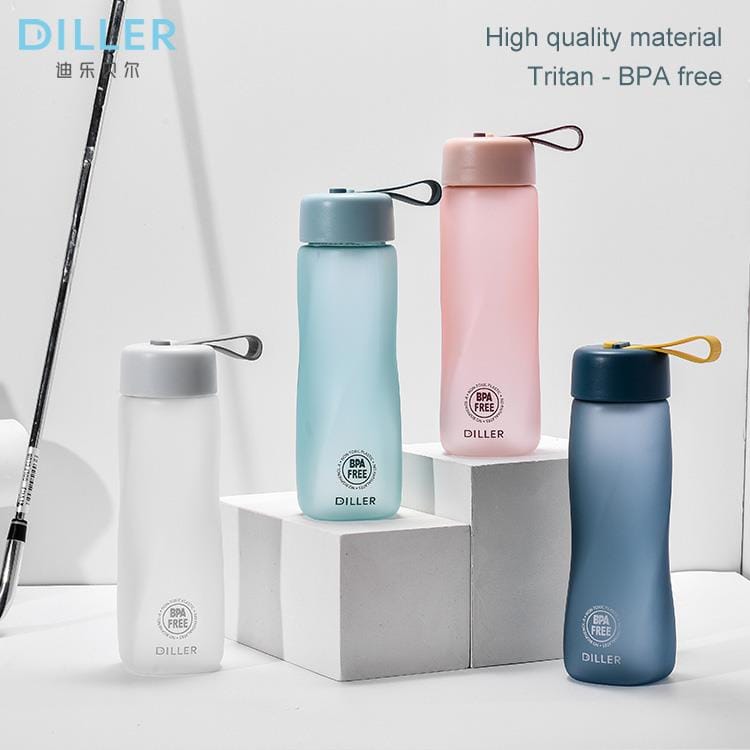
Begin met de gebruiker en verkoopkanaal
Een fles ontworpen voor een premium outdoorwinkel heeft andere prioriteiten dan een fles gebruikt in een gympromotie of schoolprogramma. Voordat modellen worden vergeleken, definieer wie de fles zal gebruiken, waar ze deze zullen dragen en hoe de klant de waarde zal beoordelen.
- Buiten en reizen: prioriteer duurzaamheid, veilig dragen, gemakkelijk openen en geschikte isolatie.
- Gym en fitness: prioriteit geven aan eenhandig drinken, laag gewicht, grip en eenvoudige reiniging.
- Fietsen: bevestig cagecompatibiliteit, knijp- of stroomvereisten en veilige sluiting.
- Bedrijfsgeschenken: prioriteer het decoratiegebied, presentatieverpakking en waargenomen kwaliteit.
- Scholen en gezinsgebruik: prioriteit geven aan eenvoudige bediening, onderdelenbeheer, reiniging en vervangingsdekselplanning.
Deze use-case-beschrijving moet richting geven aan beslissingen over capaciteit, materiaal, deksel en prijsklasse. Anders vergelijken kopers vaak flessen die verschillende problemen oplossen.
Welk materiaal is geschikt voor sportwaterflessen voor groothandel?
| Materiaal en constructie | Nuttige sterke punten | Overwegingen van kopers |
|---|---|---|
| Vacuümgeïsoleerd roestvrij staal | Temperatuurbehoud, duurzaam gevoel en premium positionering | Gewicht, oppervlakteafwerking, deukweerstand, dekselprestaties en vacuümtests |
| Enkelwandig roestvrij staal | Robuuste metalen constructie met lager gewicht dan veel geïsoleerde ontwerpen | Geen isolatievoordeel; oppervlak kan dranktemperatuur reflecteren |
| Transparant copolyester of ander geschikt plastic | Laag gewicht, kleuropties en zichtbaar drankniveau | Exacte hars, beoogde gebruiksomstandigheden, geur, impactprestaties en marktdocumentatie |
| Aluminium met een interne voering | Laag gewicht en brede decoratiemogelijkheden | Voering specificatie, compatibiliteit, schadebeheersing en beoogde drank |
Keur een fles niet goed alleen omdat de materiaalnaam bekend klinkt. Een afgewerkte fles combineert het lichaam, deksel, pakking, rietje, coating, lijm, inkt en andere componenten. De koper moet identificeren welke delen in contact komen met de drank en welke documenten het beoogde gebruik ondersteunen.
Kies capaciteit en vorm op basis van daadwerkelijk gebruik
Grote capaciteit kan de hervulfrequentie verminderen, maar verhoogt ook het gevulde gewicht en kan de fles moeilijker draagbaar maken. Een brede fles past mogelijk niet in een voertuigbekerhouder, fietsklem of rugzakvak. Omgekeerd kan een smalle fles de openinggrootte of decoratiegebied beperken.
Tijdens monsterkeuring, test de fles in de beoogde omgeving. Controleer grip met natte handen, ruimte rond de dop, stabiliteit op een vlak oppervlak en het evenwicht wanneer vol. Voor multi-modelprogramma's, gebruik een duidelijke capaciteitsladder in plaats van verschillende maten aan te bieden zonder kanaallogica.
Evalueer het deksel vóór de lichaamsdecoratie
Gebruikers interacteren met het deksel gedurende de hele levensduur van het product. Daarom heeft de dekselarchitectuur vaak een groter effect op klachten dan een extra afwerking of kleur. B2B-kopers moeten beoordelen:
- openingskracht en eenhandige bediening;
- stroomsnelheid en ontluchting;
- pakkinglocatie en weerstand tegen verkeerde montage;
- schroefdraadbetrokkenheid en risico op kruisschroefdraad;
- rietje bevestiging en vervanging;
- scharnier, knop en sluiting duurzaamheid;
- toegang voor reiniging en gebieden met vastzittend residu;
- draaglus sterkte en comfort;
- lekkageprestaties in de beoogde draagpositie.
Een deksel dat als “lekdicht” wordt beschreven, heeft nog steeds een gedefinieerde testmethode nodig. Spreek het vulniveau, vloeistoftemperatuur, sluitmethode, oriëntatie, duur en acceptatiecriteria af vóór productie.
Bouw een praktisch voorbeeldtestplan
A good sample is more than a colour reference. It should represent the construction that the factory will reproduce. Create a checklist that covers appearance, function and packaging.
- Visual review: compare colour, coating, print position, seam finish and moulded parts with the approved standard.
- Leak assessment: test the fully assembled lid under the agreed orientation and handling conditions.
- Usability review: open, drink, close, carry and clean the bottle as the target user would.
- Durability checks: evaluate the relevant lid cycle, impact, coating or transport risks for the project.
- Thermal checks: for insulated models, agree on a repeatable temperature-retention method.
- Packaging review: confirm protection, labelling, barcode position, carton quantity and shipping marks.
Keep one signed or clearly identified approval sample, and link it to the specification and purchase order.
Food-contact compliance is market and use specific
A supplier should not reduce compliance to a generic “food grade” statement. The required evidence depends on the material, component, intended beverage, temperature, duration of contact and sales market.
De European Commission’s food-contact materials guidance explains that food-contact articles placed on the EU market must meet the applicable framework and good manufacturing practice requirements. In the United States, the FDA guidance on food-contact material components emphasises that the regulatory status depends on the individual substances and their intended conditions of use.
Therefore, give the supplier the destination market and use conditions before requesting documents or laboratory testing. Also verify that reports match the actual material, colour and component used in production.
Plan custom branding around the product surface
Logo methods perform differently on powder coating, paint, bare metal and plastic. The design team should confirm the printable area, colour contrast, edge distance, artwork format and expected durability. Common options may include screen printing, pad printing, laser marking, heat-transfer processes or other model-specific methods.
Private-label buyers should approve the decorated sample under normal viewing conditions and after relevant handling checks. Packaging also affects brand perception, so confirm the box, insert, care instructions, barcode and carton marks at the same stage.
Diller’s custom water bottle manufacturing service can coordinate model selection, logo, colour, packaging and project-specific inspection. Buyers comparing a wider assortment can also use the guide to een waterflesproductielijn opzetten.
Wholesale RFQ checklist
Send a structured request for quotation so suppliers price the same requirement. Include:
- target country or region;
- sales channel and user group;
- preferred material and construction;
- capacity, dimensions and filled-weight limit;
- lid type, straw or handle requirements;
- colour, finish and logo method;
- individual and master-carton packaging;
- planned quantity and reorder pattern;
- required compliance documents and tests;
- delivery window and destination;
- quality criteria and inspection plan.
This information lets the supplier recommend a stock model or identify where custom development is necessary. It also reduces price comparisons based on different materials, lids or packaging.
Common wholesale sourcing mistakes
Selecting by capacity alone
Two bottles with the same volume can differ in lid usability, diameter, weight, insulation and packaging. Compare the complete specification.
Using “BPA-free” as the whole compliance plan
A single claim does not describe every component or market requirement. Identify all food-contact parts and verify the intended conditions of use.
Approving only an undecorated sample
Decoration and packaging can create new appearance and durability risks. Approve the production-representative version.
Ignoring replacement parts
Gaskets, straws and lids affect the useful life of the product. For long-term programmes, discuss spare-part availability and model continuity.
Veelgestelde vragen
Are stainless steel sports bottles always better than plastic bottles?
No. Stainless steel suits durable and premium programmes, especially when insulation matters. Suitable plastic bottles can provide lower weight and visible capacity. Choose around the user, product design and verified intended use.
What is the best capacity for wholesale sports bottles?
There is no universal best capacity. Consider activity duration, refill access, filled weight, cup-holder or cage fit, and target price. A sample should be tested in the actual use environment.
How can buyers reduce leak complaints?
Define a repeatable leak test, approve the complete lid and gasket assembly, control component tolerances and provide clear closing and cleaning instructions. Also review how easily users can reinstall the gasket correctly.
Can one test report cover every colour and model?
Not automatically. Applicability depends on the material, formulation, component, intended use and report scope. Confirm coverage with the supplier and qualified compliance adviser or laboratory for the destination market.
Conclusie
De beste sportwaterflessen voor groothandel match a defined user and channel. Select the material and capacity first, then verify the lid, food-contact components, performance, decoration and packaging with a production-representative sample. Finally, connect the approved specification to batch inspection and future reorders.
Browse Diller’s waterflescatalogus of send your target market, quantity and customisation brief for a B2B recommendation.