
Trả lời nhanh: Chai thể thao tốt nhất cho chương trình bán buôn là chai phù hợp với người dùng, hoạt động, phân khúc giá và yêu cầu thị trường đích. Chai chân không bằng thép không gỉ phù hợp với việc giữ nhiệt và định vị cao cấp, trong khi chai nhựa nhẹ có thể hoạt động tốt cho phòng gym, trường học và chương trình sự kiện. Trong mọi trường hợp, người mua nên xác minh nắp, gioăng, vật liệu, khả năng chống rò rỉ, khả năng sử dụng, trang trí và bao bì trước khi đặt hàng số lượng lớn.
Hướng dẫn này giúp các nhà phân phối, nhập khẩu, bán lẻ, công ty sản phẩm quảng cáo và thương hiệu riêng lựa chọn chai nước thể thao bán buôn. Nó thay thế một khuyến nghị vật liệu phù hợp cho tất cả bằng một quy trình tìm nguồn cung B2B có cấu trúc.
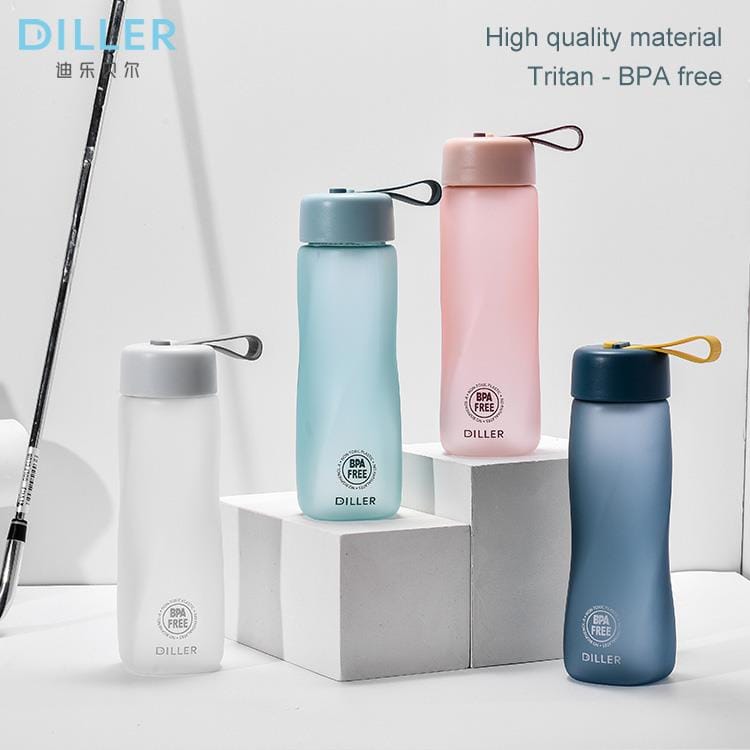
Bắt đầu với người dùng và kênh bán hàng
Một chai được thiết kế cho cửa hàng ngoài trời cao cấp có những ưu tiên khác với chai được sử dụng trong chương trình khuyến mãi phòng gym hoặc trường học. Trước khi so sánh các mẫu, hãy xác định ai sẽ sử dụng chai, họ sẽ mang nó ở đâu và khách hàng sẽ đánh giá giá trị như thế nào.
- Ngoài trời và du lịch: ưu tiên độ bền, mang an toàn, mở dễ dàng và cách nhiệt phù hợp.
- Phòng gym và thể dục: ưu tiên uống bằng một tay, trọng lượng nhẹ, độ cầm nắm và dễ làm sạch.
- Đạp xe: xác nhận khả năng tương thích với lồng, yêu cầu bóp hoặc dòng chảy và đóng kín an toàn.
- Quà tặng doanh nghiệp: ưu tiên diện tích trang trí, bao bì trình bày và chất lượng cảm nhận.
- Sử dụng trong trường học và gia đình: ưu tiên thao tác đơn giản, kiểm soát bộ phận, làm sạch và lập kế hoạch thay thế nắp.
Bản tóm tắt trường hợp sử dụng này nên hướng dẫn các quyết định về dung lượng, vật liệu, nắp và phân khúc giá. Nếu không, người mua thường so sánh các chai giải quyết các vấn đề khác nhau.
Vật liệu nào phù hợp với chai nước thể thao bán buôn?
| Vật liệu và cấu trúc | Ưu điểm hữu ích | Cân nhắc của người mua |
|---|---|---|
| Thép không gỉ cách nhiệt chân không | Duy trì nhiệt độ, cảm giác bền bỉ và định vị cao cấp | Trọng lượng, hoàn thiện bề mặt, khả năng chống móp, hiệu suất nắp và kiểm tra chân không |
| Thép không gỉ một lớp | Kết cấu kim loại bền bỉ với trọng lượng thấp hơn nhiều thiết kế cách nhiệt | Không có lợi ích cách nhiệt; bề mặt có thể phản ánh nhiệt độ đồ uống |
| Nhựa copolyester trong suốt hoặc loại nhựa phù hợp khác | Trọng lượng thấp, tùy chọn màu sắc và mức đồ uống có thể nhìn thấy | Loại nhựa chính xác, điều kiện sử dụng dự kiến, mùi, hiệu suất chịu va đập và tài liệu thị trường |
| Nhôm với lớp lót bên trong | Trọng lượng thấp và khả năng trang trí rộng rãi | Thông số kỹ thuật lớp lót, khả năng tương thích, kiểm soát hư hỏng và đồ uống dự kiến |
Không phê duyệt một chai chỉ vì tên vật liệu nghe quen thuộc. Một chai hoàn thiện kết hợp thân, nắp, gioăng, ống hút, lớp phủ, chất kết dính, mực và các thành phần khác. Người mua nên xác định bộ phận nào tiếp xúc với đồ uống và tài liệu nào hỗ trợ mục đích sử dụng dự định của chúng.
Chọn dung tích và hình dạng dựa trên sử dụng thực tế
Dung lượng lớn có thể giảm tần suất làm đầy, nhưng cũng tăng trọng lượng khi đầy và có thể làm chai khó mang hơn. Một chai rộng có thể không vừa với giá đỡ cốc xe, lồng xe đạp hoặc túi ba lô. Ngược lại, một chai hẹp có thể hạn chế kích thước mở hoặc diện tích trang trí.
Trong quá trình phê duyệt mẫu, hãy kiểm tra chai trong môi trường dự định. Kiểm tra độ bám với tay ướt, khoảng trống xung quanh nắp, độ ổn định trên bề mặt phẳng và sự cân bằng khi đầy. Đối với các chương trình đa mẫu, hãy sử dụng thang dung lượng rõ ràng thay vì cung cấp nhiều kích cỡ mà không có logic kênh.
Đánh giá nắp trước khi trang trí thân
Người dùng tương tác với nắp trong suốt vòng đời sản phẩm. Do đó, kiến trúc nắp thường có ảnh hưởng lớn hơn đến khiếu nại so với lớp hoàn thiện hoặc màu sắc bổ sung. Người mua B2B nên đánh giá:
- lực mở và thao tác một tay;
- tốc độ dòng chảy và thông hơi;
- vị trí gioăng và khả năng chống lắp ráp sai;
- sự ăn khớp ren và nguy cơ lệch ren;
- phụ kiện và thay thế ống hút;
- độ bền của bản lề, nút và khóa;
- khả năng tiếp cận vệ sinh và các khu vực cặn bám;
- độ bền và sự thoải mái của vòng mang;
- hiệu suất chống rò rỉ ở vị trí mang dự định.
Một nắp được mô tả là “chống rò rỉ” vẫn cần một phương pháp kiểm tra xác định. Thống nhất về mức độ đổ đầy, nhiệt độ chất lỏng, phương pháp đóng, hướng, thời lượng và tiêu chí chấp nhận trước khi sản xuất.
Xây dựng kế hoạch kiểm tra mẫu thực tế
Một mẫu tốt không chỉ là tài liệu tham khảo về màu sắc. Nó phải thể hiện cấu trúc mà nhà máy sẽ tái tạo. Tạo một danh sách kiểm tra bao gồm ngoại hình, chức năng và bao bì.
- Visual review: compare colour, coating, print position, seam finish and moulded parts with the approved standard.
- Leak assessment: test the fully assembled lid under the agreed orientation and handling conditions.
- Usability review: open, drink, close, carry and clean the bottle as the target user would.
- Durability checks: evaluate the relevant lid cycle, impact, coating or transport risks for the project.
- Thermal checks: for insulated models, agree on a repeatable temperature-retention method.
- Packaging review: confirm protection, labelling, barcode position, carton quantity and shipping marks.
Keep one signed or clearly identified approval sample, and link it to the specification and purchase order.
Food-contact compliance is market and use specific
A supplier should not reduce compliance to a generic “food grade” statement. The required evidence depends on the material, component, intended beverage, temperature, duration of contact and sales market.
The European Commission’s food-contact materials guidance explains that food-contact articles placed on the EU market must meet the applicable framework and good manufacturing practice requirements. In the United States, the FDA guidance on food-contact material components emphasises that the regulatory status depends on the individual substances and their intended conditions of use.
Therefore, give the supplier the destination market and use conditions before requesting documents or laboratory testing. Also verify that reports match the actual material, colour and component used in production.
Plan custom branding around the product surface
Logo methods perform differently on powder coating, paint, bare metal and plastic. The design team should confirm the printable area, colour contrast, edge distance, artwork format and expected durability. Common options may include screen printing, pad printing, laser marking, heat-transfer processes or other model-specific methods.
Private-label buyers should approve the decorated sample under normal viewing conditions and after relevant handling checks. Packaging also affects brand perception, so confirm the box, insert, care instructions, barcode and carton marks at the same stage.
Diller’s custom water bottle manufacturing service can coordinate model selection, logo, colour, packaging and project-specific inspection. Buyers comparing a wider assortment can also use the guide to xây dựng dòng sản phẩm chai nước.
Wholesale RFQ checklist
Send a structured request for quotation so suppliers price the same requirement. Include:
- target country or region;
- sales channel and user group;
- preferred material and construction;
- capacity, dimensions and filled-weight limit;
- lid type, straw or handle requirements;
- colour, finish and logo method;
- individual and master-carton packaging;
- planned quantity and reorder pattern;
- required compliance documents and tests;
- delivery window and destination;
- quality criteria and inspection plan.
This information lets the supplier recommend a stock model or identify where custom development is necessary. It also reduces price comparisons based on different materials, lids or packaging.
Common wholesale sourcing mistakes
Selecting by capacity alone
Two bottles with the same volume can differ in lid usability, diameter, weight, insulation and packaging. Compare the complete specification.
Using “BPA-free” as the whole compliance plan
A single claim does not describe every component or market requirement. Identify all food-contact parts and verify the intended conditions of use.
Approving only an undecorated sample
Decoration and packaging can create new appearance and durability risks. Approve the production-representative version.
Ignoring replacement parts
Gaskets, straws and lids affect the useful life of the product. For long-term programmes, discuss spare-part availability and model continuity.
Câu hỏi thường gặp
Are stainless steel sports bottles always better than plastic bottles?
No. Stainless steel suits durable and premium programmes, especially when insulation matters. Suitable plastic bottles can provide lower weight and visible capacity. Choose around the user, product design and verified intended use.
What is the best capacity for wholesale sports bottles?
There is no universal best capacity. Consider activity duration, refill access, filled weight, cup-holder or cage fit, and target price. A sample should be tested in the actual use environment.
How can buyers reduce leak complaints?
Define a repeatable leak test, approve the complete lid and gasket assembly, control component tolerances and provide clear closing and cleaning instructions. Also review how easily users can reinstall the gasket correctly.
Can one test report cover every colour and model?
Not automatically. Applicability depends on the material, formulation, component, intended use and report scope. Confirm coverage with the supplier and qualified compliance adviser or laboratory for the destination market.
Phần kết luận
Tốt nhất chai nước thể thao bán buôn match a defined user and channel. Select the material and capacity first, then verify the lid, food-contact components, performance, decoration and packaging with a production-representative sample. Finally, connect the approved specification to batch inspection and future reorders.
Browse Diller’s danh mục bình nước hoặc send your target market, quantity and customisation brief for a B2B recommendation.