
Kort antwoord: Verzendvoorwaarden voor waterflessen definiëren waar de verkoper de goederen levert, wanneer het risico overgaat en welke partij transport, export, verzekering en importafhandeling regelt. EXW, FOB, CIF en DDP zijn niet vier versies van dezelfde vrachtprijs. Kopers moeten de Incoterms 2020-regel, exacte genoemde plaats of haven, goederendetails en uitgesloten kosten vermelden voordat ze de landingskosten vergelijken.
Deze gids is voor importeurs, distributeurs, groothandelaren, private-label merken en zakelijke kopers die drinkwaren internationaal inkopen. Het biedt een commercieel planningskader, geen juridisch, fiscaal of douaneadvies. Gebruik een gekwalificeerde expediteur en douaneagent voor de bestemming.
Belangrijkste leerpunten van verzendvoorwaarden voor waterflessen
- Schrijf altijd de Incoterms-regel, versie en exacte genoemde plaats of haven.
- Scheid productprijs, oorsprongskosten, hoofdtransport, verzekering, bestemmingskosten, invoerrechten en belasting.
- FOB en CIF zijn van toepassing op zee- of binnenwatertransport; andere regels kunnen beter passen bij gecontaineriseerde multimodale lading.
- DDP vereist dat de verkoper de bestemmingsimport- en belastingverantwoordelijkheden begrijpt.
- Incoterms verdelen taken, kosten en risico, maar vervangen niet betaling, eigendom, kwaliteit of leveringsclausules.
Wat beheersen waterfles verzendvoorwaarden?
Waterfles verzendvoorwaarden gebaseerd op Incoterms regels verdelen leveringsverplichtingen, transporttaken, kosten en risico tussen verkoper en koper op gedefinieerde punten. Ze bepalen niet automatisch eigendom, betalingstiming, productacceptatie, toepasselijk recht of elk douaneaspect.
De formulering moet volledig zijn. “FOB China” is niet precies omdat China veel havens bevat. Een contract moet een vorm gebruiken zoals “[regel] [genoemde plaats of haven] Incoterms 2020”, gevolgd door eventuele overeengekomen operationele details die niet in tegenspraak zijn met de geselecteerde regel.
EXW, FOB, CIF en DDP vergeleken
| Regel | Brede rol van de verkoper | Brede rol van de koper | Planningsvoorzichtigheid |
|---|---|---|---|
| EXW | Stelt goederen beschikbaar op de genoemde plaats | Organiseert de meeste beweging en formaliteiten | Exportafhandeling en laden kunnen onpraktisch zijn voor een buitenlandse koper |
| FOB | Levert goederen aan boord in de genoemde haven | Regelt de hoofdzeevervoer en bestemmingsproces | Bestemd voor zee- of binnenwatertransport |
| CIF | Regelt kosten, verzekering en vracht naar de genoemde bestemmingshaven | Behandelt het bestemmingsproces en kosten na het toepasselijke punt | Risico en kosten worden niet op hetzelfde punt overgedragen; het verzekeringsniveau moet worden begrepen |
| DDP | Levert aan genoemde bestemming met brede importverplichtingen | Ontvangt op de overeengekomen plaats, onder voorbehoud van het contract | Verkoper moet kunnen voldoen aan import- en belastingverplichtingen op de bestemming |
Deze tabel is een hoogoverkoepelende aankoopsamenvatting. De Internationale Kamer van Koophandel publiceert de gezaghebbende regels en besluitvormingsinstrumenten. Kopers moeten de volledige regel met gekwalificeerde handelsadviseurs beoordelen voor contractering.
Dienovereenkomstig moeten waterfles verzendvoorwaarden worden geselecteerd nadat de koper de fysieke overdracht, transportmodus en bestemmingsverantwoordelijkheden in kaart heeft gebracht.
EXW: maximale controle voor koper, meer verantwoordelijkheid bij oorsprong
Bij EXW worden goederen beschikbaar gesteld op de genoemde plaats, zoals het terrein van de verkoper. Kopers vragen soms om EXW omdat de productofferte gemakkelijk te vergelijken lijkt. Ze hebben echter dan een bekwame expediteur nodig die de ophaal-, laadregelingen, exportformaliteiten en oorsprongskosten beheert.
De ICC-checklist merkt op dat EXW primair geschikt is voor binnenlandse handel. Voor een internationale flesbestelling, bespreek of een andere regel een duidelijker exportregeling biedt. Ga er niet van uit dat een buitenlandse koper in elke oorsprongsprocedure kan optreden als exporteur van record.
FOB: bekend voor zeehandel, maar noem de haven
FOB wordt vaak aangevraagd voor zeezendingen. De verkoper levert de lading aan boord bij de genoemde haven, terwijl de koper het hoofdvervoer regelt. Desalniettemin wordt gecontaineriseerde lading meestal aan een terminal overgedragen voordat het op een schip wordt geplaatst, dus de ICC raadt aan regels te selecteren volgens de feitelijke overdracht en transportmodus.
Als FOB wordt gebruikt, identificeer de haven, boekingsinstructies, deadlines, container- of consolidatieplan, documenten en verantwoordelijkheid voor late wijzigingen. Een offerte zonder deze details kan de werkelijke oorsprongskosten niet tonen.
CIF: verkader regelt vracht en verzekering naar de haven
CIF can simplify the main-carriage quotation because the seller arranges cost, insurance and freight to the named destination port. However, risk transfers earlier than many new importers expect. In addition, destination terminal, clearance, duty, tax and inland-delivery charges may remain outside the quote.
Ask which carrier, route, transit plan and insurance cover apply. Then obtain a destination-charge estimate from the buyer’s broker so that the CIF price is not mistaken for a warehouse-delivered cost.
DDP: broad seller responsibility, destination limits
DDP places extensive responsibility on the seller, including import-related obligations at the destination. It may appear convenient to a buyer who wants one delivered figure. Yet the seller must be legally and operationally able to act as required in the destination country.
Before accepting DDP, verify importer-of-record arrangements, product classification, duty, tax, local registration and which charges are included. A vague “door-to-door” quote is not necessarily a valid DDP offer.
Compare landed cost using one scope
Create a cost sheet that normalises every quotation to the same destination point. Include the exact product, quantity, carton count, dimensions and weight because freight cost depends on the cargo profile as well as the route.
Record the water bottle shipping terms beside every cost line so that excluded charges remain visible during comparison.
| Cost layer | Items to confirm | Evidence |
|---|---|---|
| Product | Bottle, logo, packaging, spare parts and inspection | Itemised supplier quotation |
| Origin | Pickup, handling, clearance, documents and terminal | Forwarder origin charges |
| Main carriage | Mode, route, carrier, fuel and security surcharges | Dated freight quotation |
| Insurance | Cover, value, exclusions and claims process | Policy or certificate terms |
| Bestemming | Terminal, broker, examination, storage and inland delivery | Destination agent estimate |
| Government charges | Duty, tax, fees and product-specific requirements | Customs broker calculation |
Freight rates and surcharges have validity periods. Record the quotation date, cargo-ready date and assumptions, then update the comparison before booking.
Confirm cargo data and trade documents
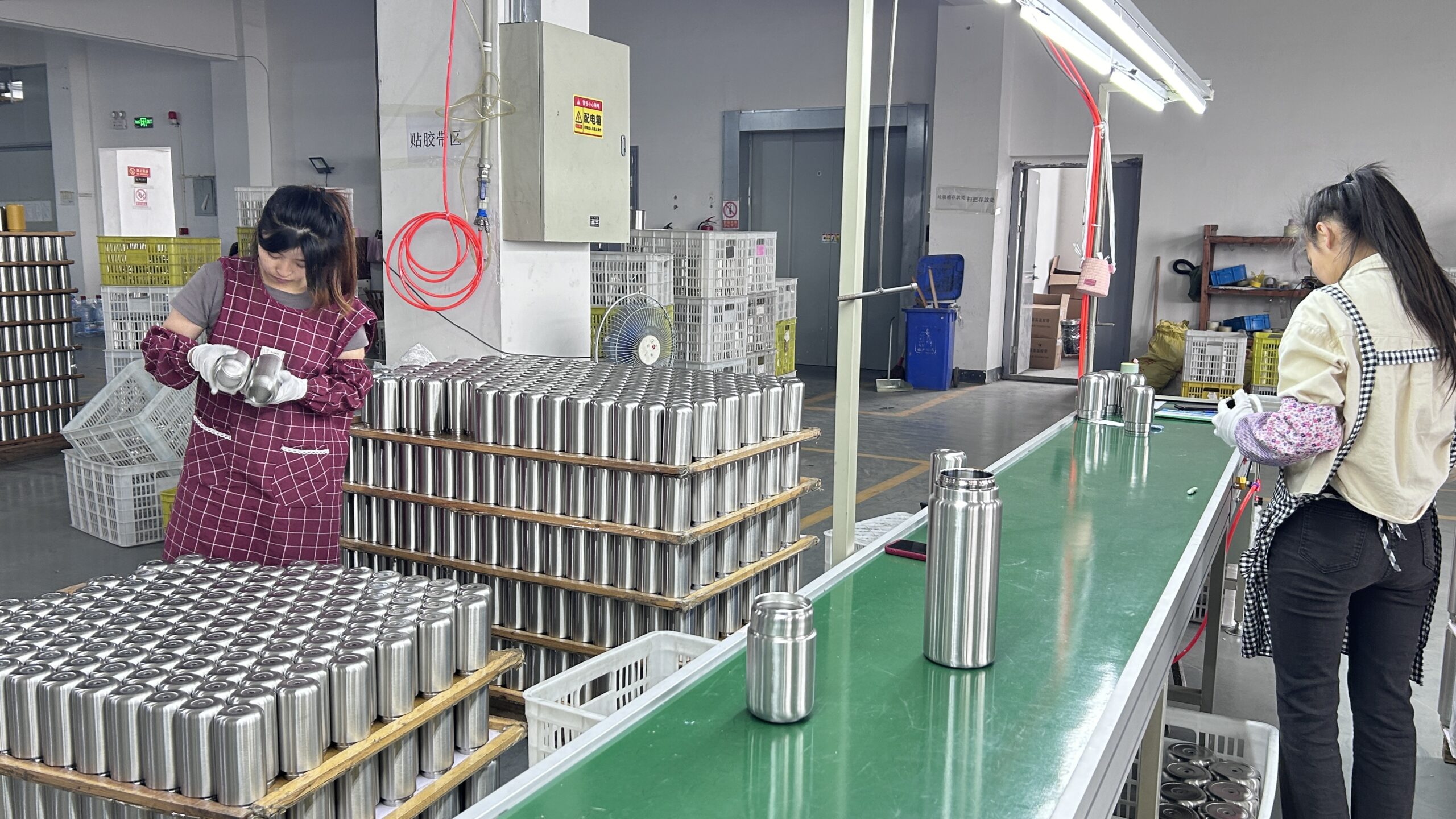
Documentation depends on origin, destination, product and shipment. Common commercial documents can include the commercial invoice, packing list, transport document and certificate of origin where applicable. Product reports, declarations or destination-specific certificates may also be required.
The selected water bottle shipping terms should match the parties named in the transport and customs workflow.
The U.S. International Trade Administration advises exporters to confirm the importing country’s current documentation requirements because errors and omissions can cause delays or seizure. For a Diller project, the buyer should coordinate with its importer and broker before packaging artwork and shipment documents are finalised.
- seller, buyer and consignee details;
- product description, SKU and quantity;
- tariff classification reviewed by the responsible party;
- unit value, total value and currency;
- carton count, net weight, gross weight and dimensions;
- country of origin and required declarations;
- Incoterm, named place and contract reference;
- required food-contact or product documentation.
Make the order shipment-ready
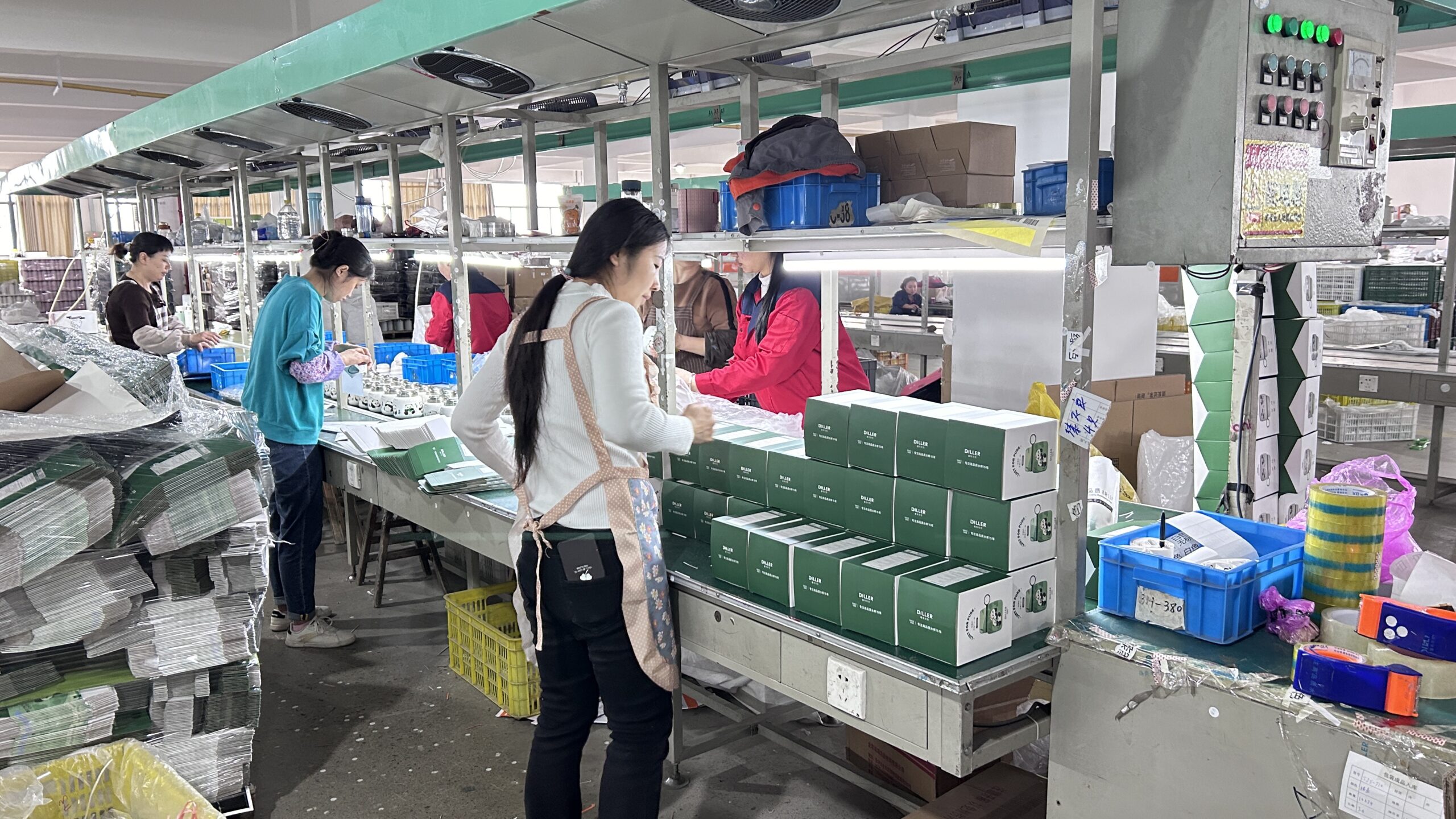
Shipping terms do not protect weak packaging. Define the unit pack, inner carton, master carton, dividers, pallet or non-pallet arrangement, moisture protection, labels and carton marks. Confirm that packaging dimensions in the freight quote match the final pack.
Inspect cartons before handover and record any damage. If mixed SKUs or colours share a shipment, the packing list and carton marks must allow the importer to identify them without opening every carton.

How Diller coordinates global shipment planning
Diller supports global shipment coordination by sea, air, rail, express and project-specific fulfilment routes. Its product coverage across 60 countries provides broad export experience, while each order still requires a current route, document and responsibility review.
Diller does not assume that one Incoterm is best for every importer. The recommended rule depends on the buyer’s freight capability, destination, cargo mode and need for control. Product quotation and freight quotation should remain itemised so the buyer can understand value and risk.
Water bottle shipping terms checklist
- ☐ Incoterms 2020 rule and exact named place written
- ☐ Transport mode fits the selected rule
- ☐ Risk-transfer and cost responsibilities understood
- ☐ Product, origin, freight, insurance and destination costs itemised
- ☐ Importer of record and customs broker confirmed
- ☐ Tariff classification and destination requirements reviewed
- ☐ Final carton dimensions and weights used in the quote
- ☐ Document owners and deadlines assigned
- ☐ Insurance cover and claims process understood
- ☐ Inspection completed before the freight cut-off
Veelgestelde vragen
Which water bottle shipping term is cheapest?
No rule is inherently cheapest because each quote includes a different scope. Compare the landed cost at the same destination point, using the same cargo details, route, timing, insurance and government-charge assumptions.
Does CIF include import duty and destination delivery?
Normally, CIF covers cost, insurance and freight to the named destination port under its rule, but many destination costs and import obligations remain with the buyer. Review the full Incoterms rule and the itemised quotation.
Is DDP always easiest for a new importer?
It can reduce buyer coordination only when the seller can legally and operationally fulfil destination import obligations. Verify the importer-of-record, tax, duty, local charges and included delivery point before relying on a DDP quote.
Do Incoterms decide when the buyer owns the goods?
No. Incoterms rules address delivery, tasks, costs and risk. Ownership or title, payment, quality acceptance, remedies and governing law need separate contract clauses.
Compare responsibility before comparing price
Water bottle shipping terms make sense only when the rule, version, named place and cargo scope are precise. Break the quote into product, origin, freight, insurance, destination and government costs; then verify documents and packaging before handover. This prevents an apparently low freight quote from becoming an expensive landed surprise.
Beoordeel Diller’s waterflescollectie, gebruik de wholesale packaging guide, check the custom project timeline, of request an itemised product and shipment quotation.